Why spring onion flatbreads turn flaky instead of tough
A common misconception is that flaky flatbreads need a special flour, a professional oven, or a large amount of oil. They do not. The real difference comes from gluten control, a thin layer of fat, and enough resting time for the dough to relax.
Spring onions add moisture, sharpness, and a little sweetness. Fresh herbs bring aroma, but they also release water when crushed into the dough. That is why the best version keeps the onions and herbs between thin dough layers instead of mixing everything into one wet mass. The dough stays plain and flexible; the filling carries the flavour.
The three forces behind flaky layers
First, knead the dough until it feels smooth but not rubbery. A stiff dough snaps back when rolled, which makes it hard to create thin layers. Second, brush the rolled dough with a small amount of neutral oil or melted butter. That fat separates the folds during cooking. Third, rest the shaped coil before the final roll. Ten to fifteen minutes can make the difference between a round flatbread and a springy, uneven puck.
Heat matters too. A pan that is too cool dries the dough before it browns. A pan that is smoking hot burns the spring onion while the centre stays raw. Medium to medium-high heat gives the bread time to puff and the surface time to develop brown spots.
My clear verdict on the core method
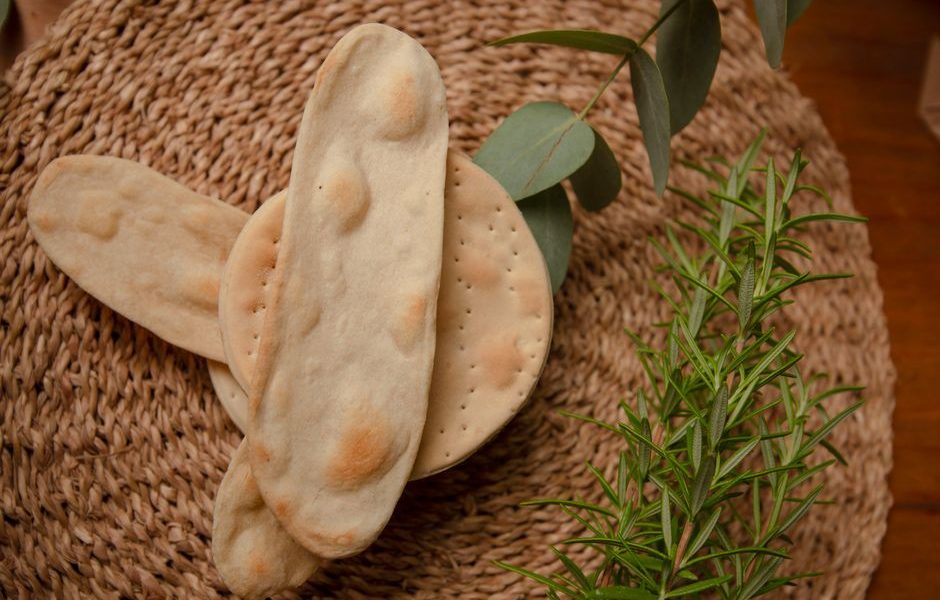
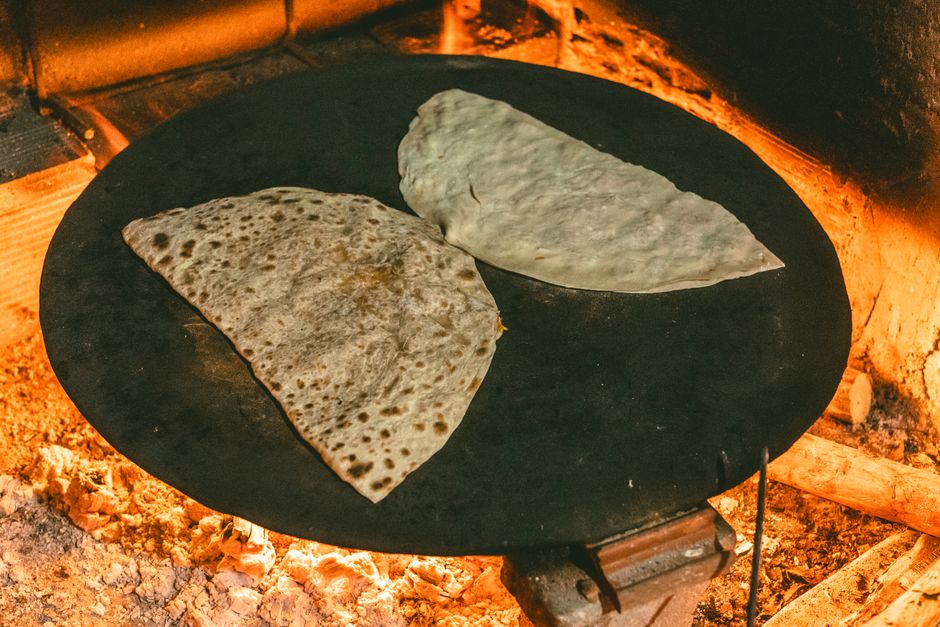
For the most reliable result, use a hot heavy pan, a 65 percent water-to-flour dough by weight, and a two-stage rest. Rest the dough for 20 minutes after mixing, then rest each filled coil for 10 minutes before rolling. That method is more valuable than buying an expensive appliance. The finished bread should show browned patches, soft layers inside, and a slight crackle when folded.
The money calculation is simple. Flour, spring onions, herbs, and cooking fat usually cost less than a café lunch, and the skill transfers to stuffed parathas, spring onions pancakes, and quick wraps.
How to mix the dough for spring onion and herb flatbreads
The best dough is plain, soft, and slightly tacky. Salt seasons the bread from within, while hot water makes the flour easier to roll. You can use only cold water, but hot water gives the finished flatbread a more tender bite and reduces the chance of a tough centre.
A dependable dough ratio
For six medium flatbreads, weigh 500 grams of plain flour, 325 grams of recently boiled water, and 8 grams of fine salt. This gives a 65 percent hydration dough. Add the water gradually because flour brands absorb liquid at different rates. Hold back 15 grams of water until the dough comes together. If the dough feels dry after two minutes of kneading, add it in small splashes.
Mix the flour and salt first. Pour in the hot water while stirring with a wooden spoon or chopsticks. When no dry flour remains, wait five minutes so the dough cools enough to handle. Knead for six to eight minutes. The surface should become smoother, but it does not need to look perfectly polished.
What goes inside each layer
Finely slice 120 grams of spring onions and chop 25 grams of soft herbs such as coriander, parsley, dill, or chives. Pat the onions dry if they look wet. Toss them with a pinch of salt only just before filling; salting them early pulls out water and can make the layers slippery.
For the layer paste, stir 45 grams of flour with 45 grams of neutral oil and a pinch of white pepper. This paste is easier to spread than plain oil and helps stop the filling from escaping. Divide the rested dough into six pieces. Roll one piece into a rectangle about 25 by 15 centimeters, spread on a thin layer paste, scatter over onions and herbs, then roll it into a rope. Coil the rope, tuck the end underneath, and rest it again.
Do not pack the filling tightly. Overstuffing makes the dough split during the final roll and pushes wet onion toward the pan. A thin, even layer produces more distinct flakes and fewer burnt pieces.
How to roll and cook flatbreads without leaks
My strongest recommendation is to treat the final roll as a gentle flattening job, not a wrestling match. Press from the centre outward and turn the dough often. If the coil resists, stop and wait five minutes. Forcing it only squeezes the filling through the seams.
Use this cooking sequence
- Roll each rested coil to about 16 centimeters across and 3 to 4 millimeters thick. The shape can be rough. Even thickness matters more than a perfect circle.
- Heat a heavy frying pan over medium-high heat for three minutes. A drop of water should sizzle and disappear quickly, but the pan should not smoke.
- Place the flatbread in the dry pan and cook for 60 to 75 seconds, until the underside shows scattered golden patches.
- Flip it, brush the cooked surface with 1 teaspoon of oil, and cook for another 60 seconds. Flip again if the centre still looks pale.
- Press the edges lightly with a spatula while the bread cooks. This encourages the middle layers to separate without crushing the bread.
- Move the finished flatbread to a plate and cover it with a clean towel for five minutes. The trapped steam softens the inner layers.
Three failure modes to catch early
- Dough springs back: the gluten has not relaxed. Rest the dough instead of adding more flour.
- Filling leaks: the paste or onions are too close to the edge. Leave a 2-centimeter border around the rectangle.
- Dark outside, raw inside: the pan is too hot or the bread is too thick. Lower the heat and roll the next piece thinner.
Skip the refrigerator unless you are holding the dough overnight. Cold dough becomes firm and takes longer to roll, while the onions can release moisture inside the coil. For a same-day batch, room-temperature resting gives better control.
Questions that decide whether your flatbreads succeed

Can I use dried herbs instead of fresh herbs?
Yes, but use less. Replace 25 grams of fresh herbs with 2 teaspoons of dried herbs, then add them to the flour-and-oil paste. Dried herbs need fat and heat to release their aroma. They will not add the same fresh green taste, but they will not make the dough wetter either.
Why are my flatbreads chewy the next day?
Chewiness usually comes from too much flour during rolling, overworking the dough, or storing the bread uncovered. Let the dough rest before shaping, dust the counter lightly, and keep cooked flatbreads wrapped in a towel or sealed container. Reheat them in a dry frying pan for 30 to 45 seconds per side instead of using a microwave alone.
When should I skip this recipe?
Skip it when you need a gluten-free bread, a hands-off oven recipe, or a batch that can sit for hours without texture changes. These flatbreads depend on wheat gluten and are best cooked close to serving time. For a gluten-free option, buy a tested gluten-free flatbread mix rather than swapping flour one-for-one; the water absorption and binding needs are different.
Serve the flatbreads with yogurt, lentil soup, fried eggs, or a sharp tomato salad. The onion and herb filling already carries enough flavour, so a simple dip works better than a heavy sauce. As home cooks get more interested in regional flatbreads, the winning trend will be precise dough technique over expensive kitchen gear.