A 60-second blanch can turn tough, bitter kale into a bright pesto that clings to every piece of pasta. You may know the usual disappointment: the sauce tastes grassy, the walnuts disappear, and the noodles absorb all the moisture before dinner reaches the table. This vegan version fixes those problems with a short blanch, gentle blending, and 120 ml of reserved pasta water.
Why Kale Pesto Turns Bitter and Dull
The main problem is raw kale. Its sturdy leaves contain a sharp, green flavour that works in salads but can dominate a delicate sauce. Blanching the leaves for 60 seconds softens the texture and takes the edge off without cooking away their fresh colour. The second problem is heat: a blender running for several minutes can warm olive oil and make the pesto taste flat. Pulse in short bursts instead.
The best kale and walnut pesto pasta also needs contrast. Kale brings bitterness, walnuts bring richness, lemon brings lift, and nutritional yeast adds a salty, savoury note. If one flavour takes over, the sauce feels heavy or unfinished. Use 70 g walnuts, 60 g kale leaves after removing the stems, 1 small garlic clove, 45 ml olive oil, 30 ml lemon juice, and 120 ml pasta water as your starting ratio.
Verdict: blanch the kale, toast the walnuts lightly, and loosen the sauce after it meets the pasta. Those three decisions solve the bitter, dry, and dull results that make many vegan pestos disappointing.
How to Prep Kale and Walnuts for a Smooth Sauce
Blanch the leaves before blending
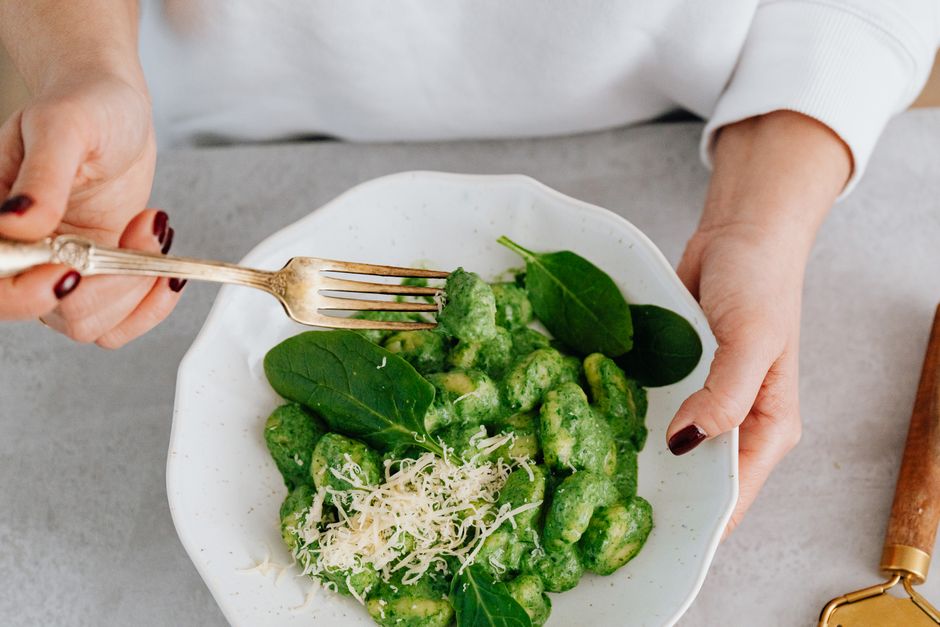
Strip the kale from its thick stems, then drop the leaves into boiling salted water for 60 seconds. Move them straight into a bowl of ice water for another minute. Squeeze the leaves firmly until they feel damp rather than wet. Excess water dilutes the pesto and forces you to add more oil later. For 4 servings, use about 150 g raw kale to produce roughly 60 g of squeezed leaves.
Toast walnuts without burning them
Warm 70 g walnut halves in a dry frying pan over medium-low heat for 4 to 5 minutes. Shake the pan often. Stop when the nuts smell sweet and lightly nutty; dark brown edges mean the bitter walnut skins may overpower the kale. Cool the nuts for two minutes before blending. Hot walnuts can warm the oil and make the finished sauce taste greasy.
- Boil 340 g pasta in well-salted water.
- Reserve 120 ml cooking water before draining.
- Blend kale, walnuts, garlic, lemon juice, olive oil, nutritional yeast, and 60 ml water.
- Toss the pesto with hot pasta off the heat.
- Add the remaining water 1 tablespoon at a time until the sauce looks glossy.
Do not fry the finished pesto. High heat darkens the kale and tightens the sauce.
What Each Ingredient Actually Does
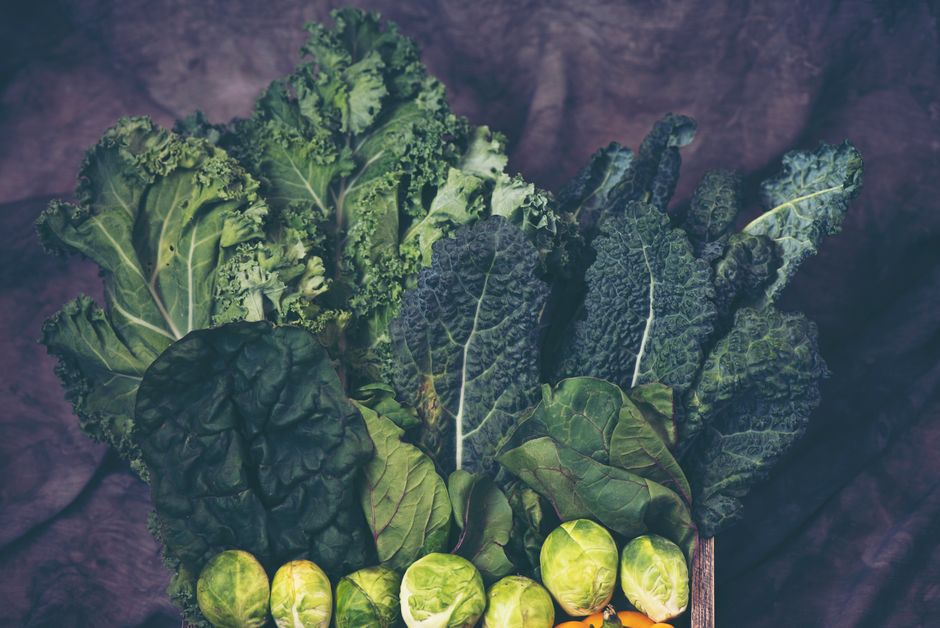
Every ingredient has a job, so changing several at once makes the sauce hard to fix. Keep the base balanced, then adjust salt, lemon, and water at the end.
| Ingredient | Amount for 4 | Purpose | Best adjustment |
|---|---|---|---|
| Kale leaves | 60 g blanched | Green flavour, colour, and body | Add 10 g spinach for a milder taste |
| Walnuts | 70 g toasted | Fat, texture, and savoury depth | Use 50 g for a lighter sauce |
| Extra-virgin olive oil | 45 ml | Helps the sauce coat noodles | Add water before adding more oil |
| Lemon juice | 30 ml | Cuts bitterness and richness | Add 5 ml more if the sauce tastes flat |
| Nutritional yeast | 20 g | Salty, savoury flavour | Reduce it if your pasta water is very salty |
| Pasta water | 60–120 ml | Emulsifies and loosens the pesto | Add gradually after tossing |
The key principle is starch before oil. Pasta water helps the blended ingredients cling together, while extra oil alone can leave a slick layer at the bottom of the bowl. For the strongest texture, toss the sauce with hot pasta in a wide pan or mixing bowl, then serve immediately.
Can You Make Kale Walnut Pesto Without a Blender?
Can a food processor replace a blender?
Yes. A food processor gives the best balance of speed and texture for this recipe. Pulse 10 to 12 times, scrape the sides, then pulse again until the kale looks finely chopped. Stop before the mixture becomes completely smooth. Small walnut pieces give the pasta a more interesting bite.
Can you use a mortar and pestle?
Yes, but work in batches. Crush the garlic with salt first, then grind in the walnuts, followed by the kale. Add oil slowly and finish with lemon juice. This method takes about 15 minutes and creates a coarse, rustic sauce. It works well when you want texture, but it will not produce the silky finish of a high-speed blender.
What if the pesto tastes too bitter?
Add lemon juice in 5 ml increments, then add a pinch of salt. If bitterness remains, stir in 1 teaspoon of maple syrup or 15 ml of unsweetened plant milk. Do not solve bitterness by pouring in more oil; that makes the sauce heavy while leaving the sharp taste behind.
Best method: use a food processor for a dependable weeknight texture. Choose a mortar and pestle only when you specifically want a chunky pesto and have time to grind it slowly.
How to Store, Reheat, and Choose Your Final Version
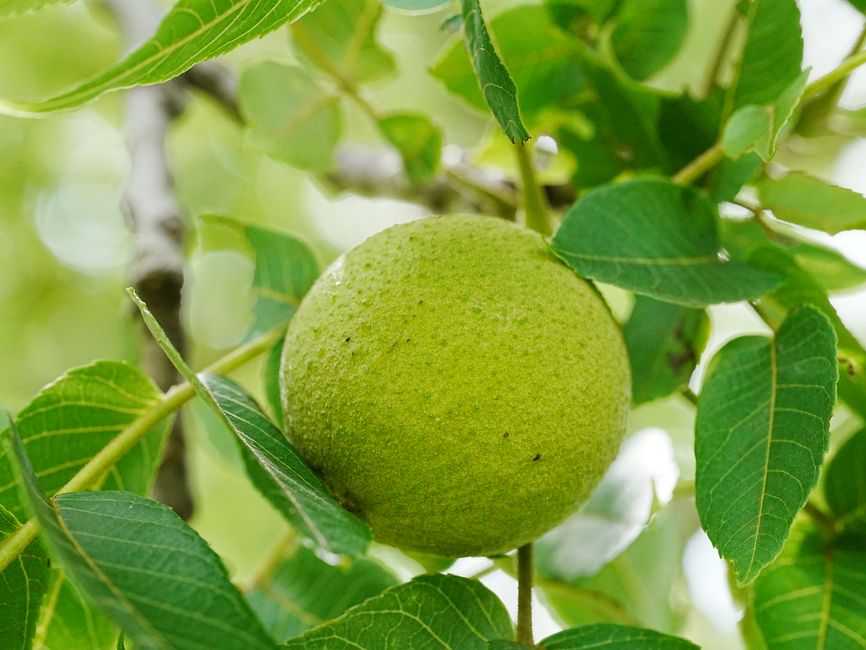
Eat the pasta hot for the glossiest sauce, but store leftovers within two hours. Refrigerate them in a sealed container for up to three days. Add 1 tablespoon of water before reheating in a frying pan over low heat. A microwave works in 30-second bursts, with stirring between each burst. Freezing the completed pasta softens the noodles, so freeze the pesto alone for up to two months when possible.
- For a brighter bowl, add lemon zest and extra juice.
- For more protein, fold in 150 g drained white beans after tossing.
- For a nut-free version, replace walnuts with 70 g toasted sunflower seeds.
- For a softer green flavour, replace one-third of the kale with baby spinach.
- For a richer dinner, add roasted mushrooms after the pesto coats the pasta.
Do not buy specialty ingredients for this recipe if your pantry already holds walnuts, olive oil, garlic, and pasta. The cooking technique matters more than a premium label. Choose the version that solves your actual constraint:
| Your priority | Best choice | Why it wins |
|---|---|---|
| Most reliable texture | Blanched kale with casarecce | The sauce clings to the twists |
| Gluten-free dinner | Brown rice fusilli | The spiral shape holds enough pesto |
| Nut-free dinner | Toasted sunflower seeds | They provide crunch without walnuts |
| Make-ahead cooking | Freeze pesto separately | The pasta keeps a better bite |