Most spring vegetables need less than 10 minutes in the pot, which is why a good minestrone can taste slow-cooked without taking all afternoon. I make this version when the market is full of asparagus, peas, tender carrots, and greens but the evening schedule is not. The trick is to stop treating every vegetable the same. Carrots need a head start. Peas need almost none. Pasta needs its own timing. Get those three points right and the soup tastes fresh instead of soft, muddy, and overcooked.
Why spring vegetable minestrone tastes better with separate cooking times
Minestrone is not one fixed recipe. It is a method for turning a small amount of several vegetables into a complete meal. The best spring version has contrast: a sweet carrot, a crisp piece of asparagus, a creamy bean, chewy pasta, and a broth that tastes of olive oil, onion, and herbs. If everything goes into the pot together, the quickest-cooking ingredients lose their character before the slowest ones become tender.
Start with the vegetables that build sweetness
Begin with 1 tablespoon of olive oil, 1 diced yellow onion, 2 diced carrots, and 2 diced celery stalks. Cook them over medium heat for 7 to 8 minutes with a pinch of salt. You are not trying to brown them heavily. You want the onion translucent and the carrot edges slightly soft. This base gives the broth body before you add water or stock.
Add 2 minced garlic cloves for the final 30 seconds. Garlic burns quickly, and burnt garlic gives the entire pot a bitter taste that no amount of parmesan can repair.
Keep the green vegetables bright
Use 1 cup of chopped asparagus, 1 cup of shelled peas, and 2 packed cups of chopped Swiss chard or baby spinach. Add the asparagus with the stock because it needs a few minutes to soften. Add peas and greens near the end. Peas need about 3 minutes, while spinach can wilt in 60 seconds.
The first-principles rule is simple: the longer a vegetable takes to soften, the earlier it goes in. That single rule prevents the gray, tired texture that ruins many vegetable soups.
How long to cook each ingredient in spring minestrone
Use this timing chart as your working plan. The minutes count from the moment each ingredient enters the pot, not from the start of the recipe. I keep the heat at a steady simmer rather than a hard boil, which protects the vegetables and keeps the broth clearer.
| Ingredient | Amount | Add at | Cooking time |
|---|---|---|---|
| Onion, carrot, and celery | 4 cups diced | Start | 7 to 8 minutes |
| Garlic and dried herbs | 2 garlic cloves, 1 teaspoon herbs | After the base | 30 seconds |
| Stock, tomatoes, and asparagus | 6 cups stock, 1 cup tomatoes, 1 cup asparagus | After the aromatics | 8 minutes |
| Small pasta | 1 cup | After the broth simmers | 8 to 10 minutes |
| Cannellini beans | 1 can, drained | With 5 minutes left | 5 minutes |
| Peas and leafy greens | 1 cup peas, 2 cups greens | At the end | 1 to 3 minutes |
The 10-minute rule for pasta
Small pasta keeps absorbing liquid after the burner goes off. If you expect leftovers, cook the pasta separately and spoon it into each bowl. For soup served immediately, add 1 cup of ditalini or small shells directly to the pot and start tasting after 8 minutes. Stop when the centre is just firm. Fully soft pasta becomes swollen by the time everyone sits down.
Salt the broth in stages
Salt the vegetables while they cook, then taste after the stock and tomatoes go in. Canned beans and stock can contain very different amounts of salt, so adding the final seasoning before tasting is how people end up with a soup that is too salty. Finish with lemon juice or a teaspoon of white wine vinegar. The acid does not make the soup sour; it sharpens the vegetables and makes a light broth taste fuller.
The 45-minute method that keeps the soup fresh
This is the order I use on a weeknight. The sequence matters more than the exact vegetable list, so substitute snap peas for shelled peas or kale for chard if that is what looks good.
Build the pot in five practical stages
- Minute 0 to 8: Warm olive oil in a large pot. Add onion, carrot, celery, and a pinch of salt. Stir every minute until the onion softens and the carrot starts to lose its raw edge.
- Minute 8 to 9: Add garlic, dried oregano, and a small pinch of red pepper flakes. Stir constantly for 30 seconds. The herbs should smell fragrant, not toasted.
- Minute 9 to 17: Pour in 6 cups of vegetable stock, 1 cup of crushed tomatoes, and the chopped asparagus. Scrape the bottom of the pot, bring the liquid to a simmer, and cook uncovered.
- Minute 17 to 27: Add the pasta and stir twice during cooking so it does not settle. Keep the simmer gentle. A violent boil breaks the pasta and makes the broth cloudy.
- Minute 27 to 32: Add drained cannellini beans, peas, and greens. Cook until the beans are hot, the peas are bright, and the greens have wilted. Turn off the heat and rest the soup for 5 minutes.
Finish each bowl instead of over-seasoning the pot
Ladle the soup into warm bowls, then add grated parmesan, black pepper, a drizzle of extra-virgin olive oil, and a squeeze of lemon. This gives each serving a fresh top note without forcing the whole pot to taste heavily seasoned. For a vegan bowl, use toasted breadcrumbs with lemon zest instead of cheese.
Do not cover the pot during the final simmer. Steam trapped under the lid softens the greens and makes it harder to judge how much liquid the pasta has absorbed.
Common mistakes and the final spring minestrone verdict
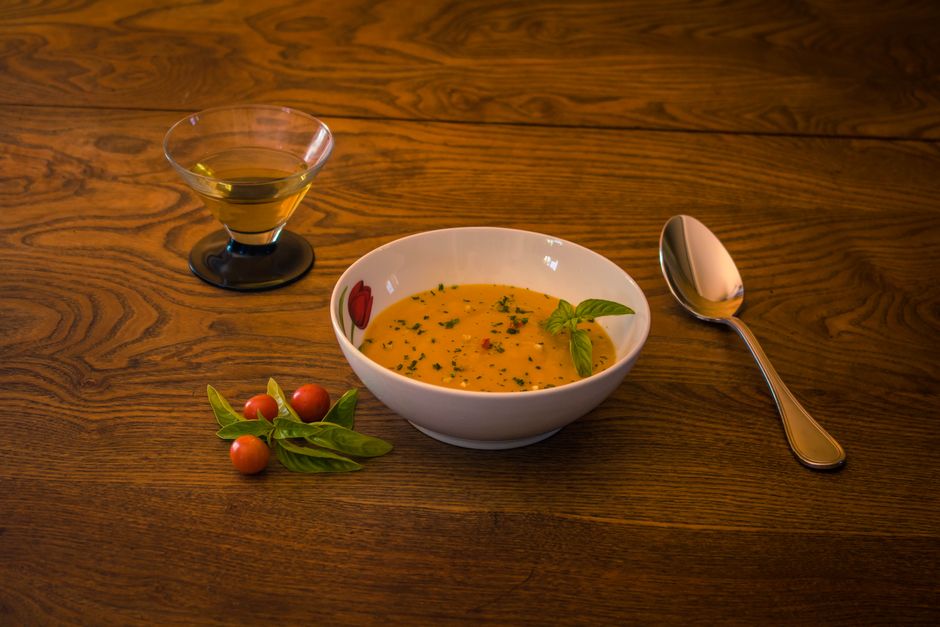
For a bright, filling weeknight soup, this method beats a slow, overloaded pot. The winning formula is a gentle vegetable base, a short list of spring produce, one creamy bean, and pasta added late. The mistakes below explain why the method works.
What makes the soup soft or bland
- Adding every vegetable at once: peas and greens collapse before carrots become tender. Follow the timing chart instead.
- Using too much pasta: 1 cup is enough for 6 cups of stock. More pasta turns the soup into a thick casserole after refrigeration.
- Skipping the acid: lemon juice or vinegar wakes up a broth made with mild vegetables. Add a teaspoon at a time and taste.
- Boiling aggressively: a hard boil splits pasta, clouds the stock, and knocks the colour out of greens.
When not to make minestrone this way
Do not use this spring version for dense winter vegetables such as large cubes of butternut squash or whole potatoes unless you change the order. Those ingredients need a longer simmer and can make delicate greens disappear. For a winter pot, use rosemary, cabbage, beans, and potatoes, then save peas and asparagus for a quicker finish.
On a busy spring evening, the resolution is simple: start the onion, carrot, and celery, let the broth do the slow work, and add the fragile vegetables only when the clock says they are ready. In about 38 to 45 minutes, you get the bowl this recipe promises at the opening: bright, hot, filling, and still able to taste like spring.