You know the problem: the tops look golden, the kitchen smells wonderful, and the first muffin breaks open to reveal a wet, heavy centre. Blackberries release a lot of juice, and apples add even more moisture. A vegan batter needs the right balance of flour, fat, liquid, and lift to handle both.
This recipe makes 12 tender muffins with tart blackberries, soft apple pieces, and a lightly crisp top. The method works with fresh or frozen berries, and the measurements are given by weight because fruit size varies wildly.
What makes vegan blackberry and apple muffins hold together?
My preferred formula uses grated apple for moisture and small blackberry pieces for flavour. Large berry pockets look attractive but often leave damp holes around the fruit. Cutting or gently breaking the berries distributes their juice through the batter instead of concentrating it in three or four wet spots.
The ingredient balance that works
| Ingredient | Amount | Why it matters |
|---|---|---|
| Plain flour | 240 g | Builds enough structure for juicy fruit |
| Light brown sugar | 135 g | Adds moisture and a mild caramel flavour |
| Baking powder | 2 teaspoons | Provides the main lift |
| Baking soda | 1/2 teaspoon | Works with the acidic plant milk |
| Neutral oil | 80 ml | Keeps the crumb soft after cooling |
| Oat milk | 180 ml | Replaces dairy milk without making the batter heavy |
| Apple | 150 g grated | Supplies moisture and natural sweetness |
| Blackberries | 150 g | Adds tartness and colour |
Why grated apple beats large chunks here
Grated apple melts into the crumb and keeps the muffins soft without adding a large wet pocket. Peel a sweet-tart apple, remove the core, and grate it on the large holes of a box grater. Do not squeeze out the juice. If the grated apple weighs less than 150 g, add a little more diced apple rather than extra plant milk.
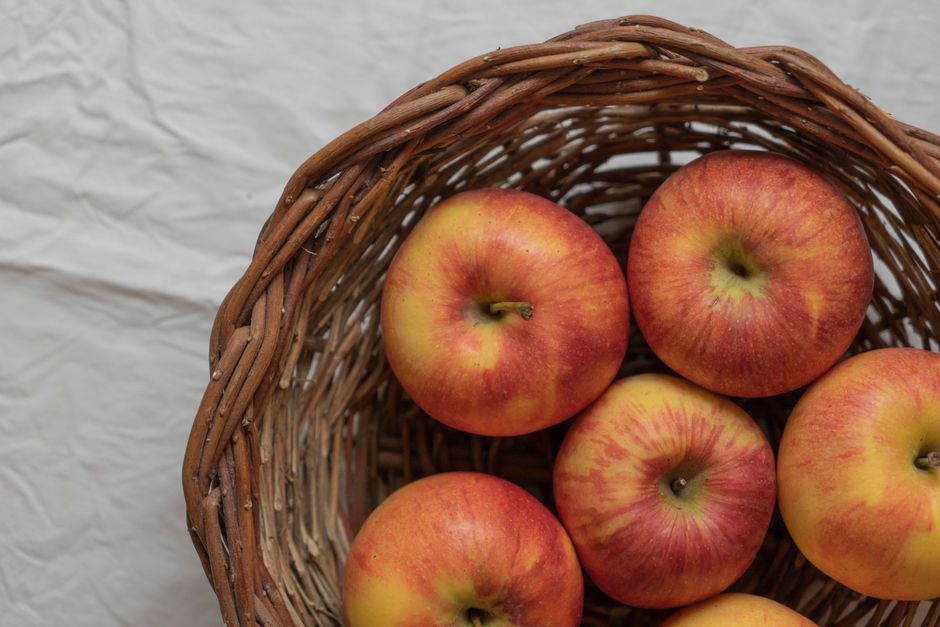
Use firm apples such as Pink Lady, Braeburn, or Granny Smith. Very soft apples turn watery during baking. For the best texture, add 100 g grated apple and 50 g in small dice. That combination gives moisture plus a few recognizable apple pieces.
How to prepare the fruit and batter without a soggy centre
The batter should look thick enough to hold a spoonful of fruit for a few seconds. It should not pour like pancake batter. The fruit will loosen it as it sits, so work quickly once the wet and dry mixtures meet.
Follow these five steps
- Heat the oven to 220°C (200°C fan). Line a 12-cup muffin tin with paper cases. The high starting temperature helps the muffins rise before the fruit adds weight.
- Mix 240 g flour, 135 g brown sugar, 2 teaspoons baking powder, 1/2 teaspoon bicarbonate of soda, 1/2 teaspoon fine salt, and 1 teaspoon ground cinnamon in a large bowl.
- Whisk 180 ml oat milk, 80 ml neutral oil, 1 tablespoon lemon juice, 1 teaspoon vanilla, and 150 g grated apple in a second bowl. Let the mixture stand for 2 minutes so the lemon juice slightly thickens the plant milk.
- Pour the wet mixture into the dry mixture. Fold with a spatula only until no dry flour remains. Toss 150 g blackberries with 1 tablespoon flour, then fold them in with the diced apple if using.
- Divide the batter between the cases, filling each about three-quarters full. Bake at 220°C for 5 minutes, reduce the heat to 180°C (160°C fan), and bake for another 18 to 22 minutes.
The mixing point to stop at
Stop folding as soon as the last streak of flour disappears. Ten extra turns can make the crumb noticeably tight, especially with plain flour. A few small lumps are fine. The batter should mound slightly in the cases instead of flattening at once.
Cool the muffins in the tin for 5 minutes, then move them to a wire rack. If they remain in the hot tin for 20 minutes, steam collects around the bases and softens the crust.
Why the oven temperature and fruit size change the result

These muffins are not difficult, but they punish loose measurements. Blackberries can differ in water content by a surprising amount, and apples range from dry and crisp to soft and juicy. The recipe works because the flour amount gives the batter a firm starting point, while the short hot phase creates lift before the fruit collapses the structure.
Use the two-temperature bake
Starting at 220°C gives the edges enough heat to set quickly. That early structure pushes the centre upward and creates a rounded top. After 5 minutes, lowering the oven to 180°C finishes the middle without burning the sugar on top.
If your oven runs hot, start at 210°C and lower it to 175°C. Dark metal muffin tins brown faster than pale aluminum tins. With a dark tin, check the muffins at 17 minutes after lowering the temperature. The tops should spring back lightly when pressed.
Fresh and frozen blackberries need different handling
Fresh berries should be dry before they enter the batter. Rinse them early and spread them on a clean towel. If they are large, cut them in half. This creates smaller juice pockets and gives each muffin a more even berry flavour.
Use frozen blackberries straight from the freezer. Do not thaw them first. Thawed berries leak purple juice into the batter and can lower the centre before the flour has set. Fold frozen fruit in at the very end, then portion the batter immediately. Expect 2 to 4 extra minutes of baking time.
A skewer is useful, but it may hit a blackberry and come out wet even when the muffin is baked. Test the centre between fruit pieces. For a more reliable check, look for an internal temperature close to 96°C and a top that springs back.
Can I change the ingredients and still get a good muffin?
Can I make them gluten-free?
Yes, but use a gluten-free baking blend that contains a binder such as xanthan gum. Replace the 240 g flour with 240 g of the blend and let the mixed batter rest for 10 minutes before adding the fruit. The rest period helps the starches absorb liquid. Gluten-free muffins usually have a softer centre and are best eaten within two days.
Can I replace the oil or plant milk?
Use melted vegan butter for a richer flavour, but measure 80 g rather than 80 ml because butter contains a little less pure fat than oil. Coconut oil works only if its flavour suits the recipe; refined coconut oil gives a cleaner result. Soy milk makes a slightly fuller crumb, while almond milk produces a lighter one. Water can work in an emergency, but the muffins will taste flatter and stale sooner.
When should I skip this recipe?
Do not choose this recipe if you need a very low-sugar breakfast muffin or a cake-like bakery muffin with a dry, airy crumb. The apple and brown sugar create a moist, tender texture. For a less sweet version, reduce the sugar to 110 g, but do not remove more than that because sugar also holds moisture and softens the crumb.
How should blackberry and apple muffins be cooled and stored?
Cool them fully before sealing them, and eat the fruitiest muffins within two days. The best batch has a soft centre, a set top, and no wet ring around the berries. Store the muffins in a single layer in a loosely covered container at room temperature. A sealed container traps steam and makes the tops sticky.
Room-temperature storage
Once cool, keep the muffins for up to 2 days. Place a sheet of paper towel beneath them to absorb excess moisture, but do not wrap each muffin tightly. Before serving, warm one for 10 seconds in the microwave or for 5 minutes in a 160°C oven.
Freezing and reheating
Freeze completely cooled muffins in a sealed freezer bag for up to 3 months. Freeze them in a single layer first so the fruit does not stick to the paper cases. Thaw at room temperature for 1 to 2 hours, then warm at 160°C for 8 minutes. The crust will not be quite as crisp as on baking day, but the crumb stays soft.
My clear recommendation is to bake these with grated Pink Lady or Granny Smith apple, fresh blackberries when available, and the two-temperature method. It gives the most reliable balance of lift, moisture, and tart fruit without eggs or dairy.