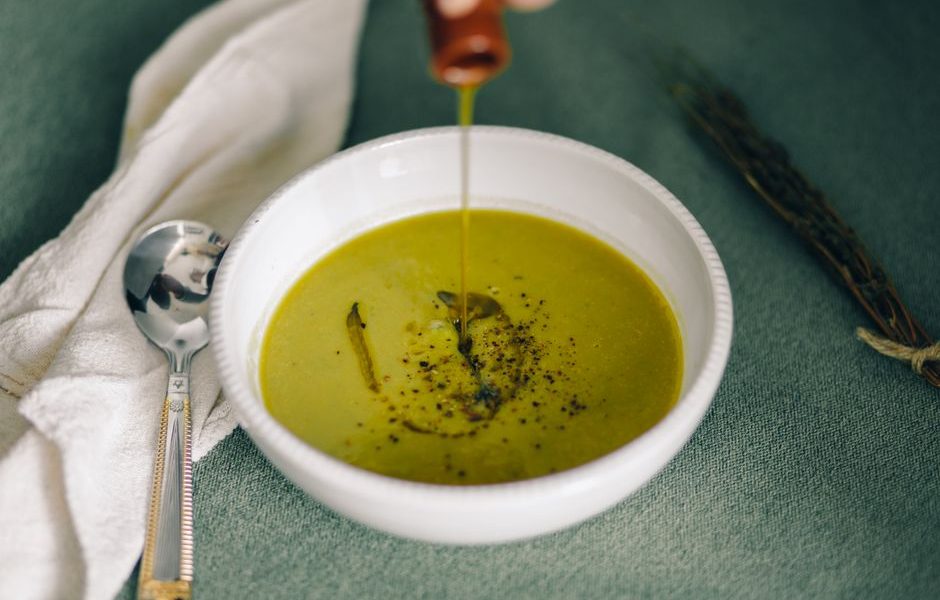
A freezer bag can beat a farmers’ market pod in this recipe. Frozen peas are usually picked at peak ripeness and frozen within hours, while fresh peas may spend days losing sweetness before they reach your kitchen. For bright, creamy pea and mint soup, the real challenge is not finding fancy ingredients. It is protecting colour, controlling water, and adding mint at the right moment.
This guide covers the ingredient choices, cooking method, blender options, and failure points that decide whether the soup tastes fresh or flat.
Why pea and mint soup turns dull or grassy
Sweet peas need very little cooking
Peas already have a soft texture, natural sweetness, and enough starch to give soup body. Long simmering does not make them better. It dulls their colour, drives off their fresh aroma, and can create a cooked cabbage taste. Frozen peas need about three to five minutes in hot stock. Fresh peas may need slightly longer, but the same rule applies: stop cooking as soon as they taste tender.
The liquid matters too. Use a mild vegetable stock rather than a strongly flavoured broth. You want enough salt to sharpen the peas, but not so much stock concentrate that it covers their sweetness. Start with four cups of stock for about five cups of peas, then thin the soup after blending if needed.
Mint should stay fresh and sharp
Mint works as a contrast. Peas bring sweetness and soft green flavour; mint adds a cool edge that keeps the bowl from feeling heavy. Add most of the mint after removing the pot from the heat. Blend in a small handful of leaves, then add a few finely sliced leaves at the end.
Use lemon juice to finish, not to replace salt. One to two teaspoons can wake up a whole pot, but too much acid makes the soup taste sour and hides the pea flavour. A spoonful of extra-virgin olive oil also helps carry the mint aroma across the palate.
How to cook pea and mint soup without losing its colour
The best method is fast, shallow, and easy to taste as you go. Use a wide saucepan so the stock returns to a simmer quickly.
- Soften the base. Cook one diced yellow onion in one tablespoon of olive oil over medium heat for six to eight minutes. Add one sliced garlic clove for the final 30 seconds. Keep the onion pale; browned onion makes the soup taste sweeter and darker.
- Add measured liquid. Pour in four cups of mild vegetable stock. Scrape the bottom of the pan, bring the liquid to a simmer, and season with half a teaspoon of salt.
- Add the peas late. Stir in about 700g of frozen peas. Cook for three to five minutes, just until tender and hot in the centre.
- Cool the mint slightly. Remove the pan from the heat and wait one minute. Add a small handful of mint leaves. This short pause protects the mint’s clean aroma.
- Blend safely. Use an immersion blender with the blade fully submerged. Move it slowly through the soup until the texture looks even. If using a countertop blender, cool the soup first, fill the jar no more than halfway, and remove the centre cap to release steam while covering the opening with a folded towel.
- Balance the finish. Add one teaspoon of lemon juice, taste, and adjust salt. Thin with hot stock if the soup sits too thick on a spoon.
Three mistakes that ruin the bowl
Boiling the peas for 15 minutes is the most common error. It creates a gray-green colour and a tired flavour. Adding all the mint at the beginning is another; the soup loses the fresh note that makes the dish distinctive. The third mistake is adding plant cream before tasting. Oat or soy cream can soften harsh flavours, but it can also turn a bright soup bland.
If the soup tastes grassy, add lemon and salt before adding more mint. If it tastes watery, blend in a small cooked potato or another cup of peas rather than dumping in flour. These fixes preserve the clean flavour.
When should you skip creamy pea and mint soup?
Can you make it without plant cream?
Yes. Peas provide enough starch for a creamy texture when you blend them thoroughly. Plant cream is useful when you want a richer, heavier bowl, but it is not required. For a lighter soup, use olive oil and lemon. For extra body without cream, blend in half a cooked potato or two tablespoons of white beans.
Should you use fresh peas instead of frozen?
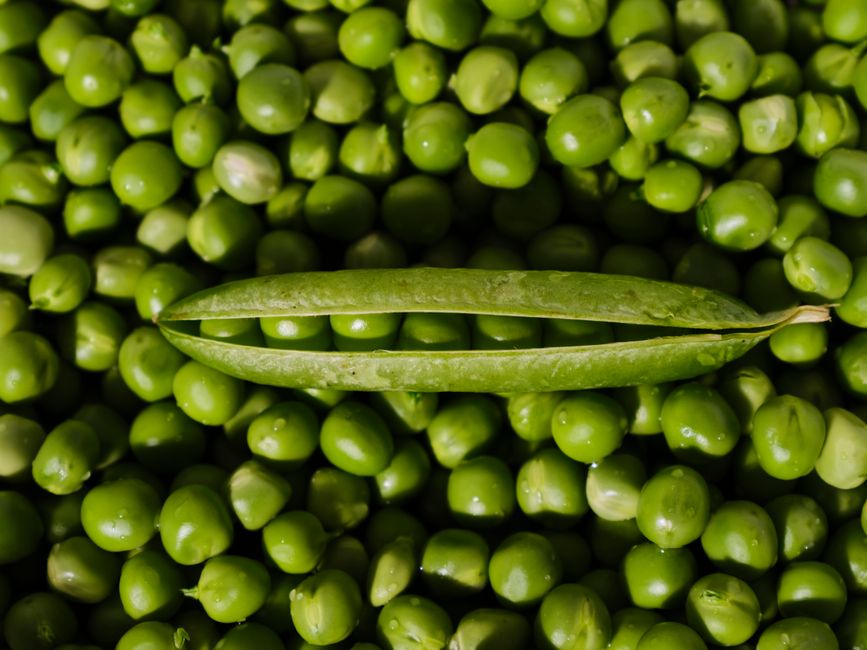
Use fresh peas when they are young, sweet, and available at a fair price. They can taste excellent, but shelling takes time and older peas can turn starchy. Frozen peas win for consistency, speed, and cost. A bag also lets you make the soup in any season, which makes it the better default purchase.
When is this soup the wrong choice?
Skip this recipe if you want a deeply savoury, long-cooked soup. Pea and mint soup is bright and quick, not smoky or meaty. It also loses some colour after overnight storage, so make it when you care about a fresh green appearance. If you need a make-ahead meal, cool it quickly, refrigerate it for up to three days, and add fresh mint and lemon after reheating.
Most important takeaway: use sweet frozen peas, cook them for only a few minutes, and add the mint after the heat is off for the freshest vegan pea and mint soup.