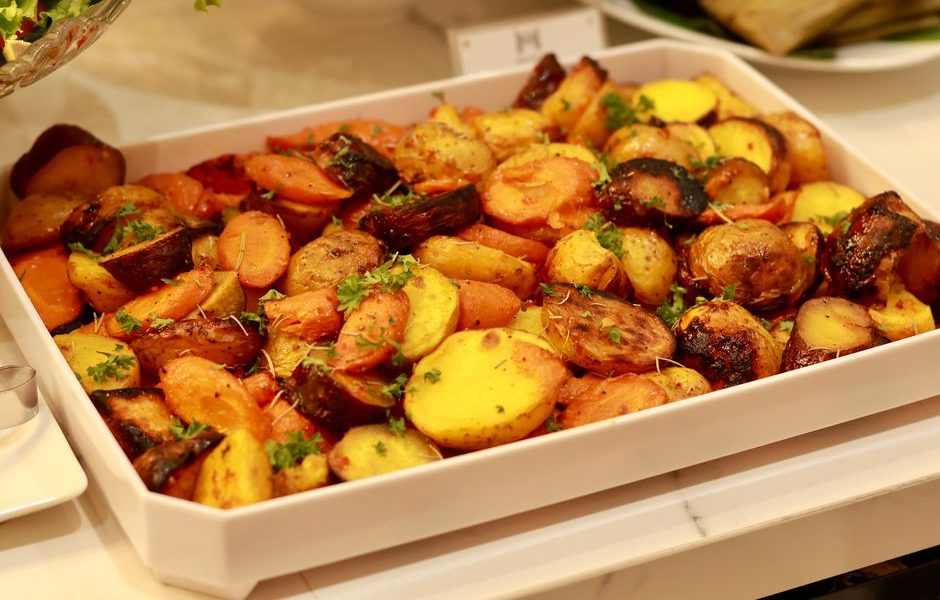
The answer usually sits in three small details: the vegetables were crowded, the pieces were cut unevenly, or the maple syrup went on too early. This UK vegan recipe fixes all three. You get browned edges, tender centres, and a light maple glaze that tastes sweet without turning the tray sticky.
How to get caramelised edges without burnt maple
Cut the roots for the same cooking time
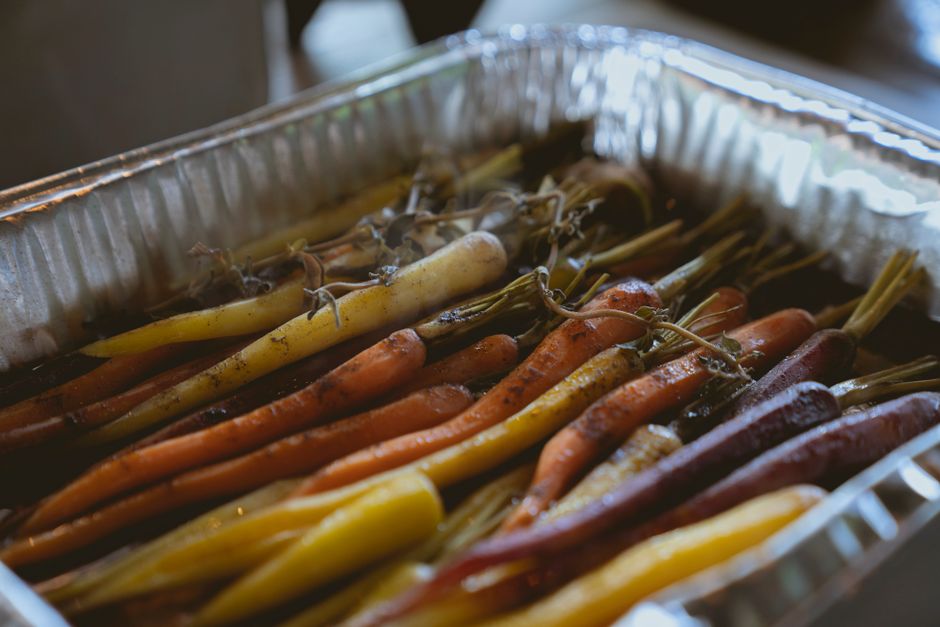
Use 500g carrots and 500g parsnips for four to six portions. Peel both vegetables, then cut the carrots into batons about 2cm wide and 6cm long. Cut the parsnips into similar pieces, but halve any thick tops lengthways before making batons. Parsnips often have a narrow tip and a broad top, so one whole parsnip can cook unevenly. Smaller tips may need to go into the oven five minutes later.
Rinse the cut vegetables only if they carry visible soil. Dry them thoroughly with a clean tea towel. Surface water creates steam, and steam softens the edges that should brown. A large metal roasting tray gives the best result because metal transfers heat quickly and leaves room around each piece.
Use heat first and maple later
Heat the oven to 220°C, or 200°C fan, and warm the empty tray for at least five minutes. Toss the vegetables with 2 tablespoons of rapeseed or olive oil, 1 teaspoon of fine salt, and a few twists of black pepper. Roast for 20 minutes before adding the maple syrup. At that point, the roots have started to brown and the syrup can cling to the hot surfaces instead of burning against the cold tray.
Mix 2 tablespoons of pure maple syrup with 1 teaspoon of Dijon mustard and 1 teaspoon of lemon juice. Toss this mixture through the partly roasted vegetables, then return the tray for 10 to 15 minutes. The add maple late rule is the most reliable way to get a glossy finish without bitter patches.
Verdict: roast the vegetables in oil first, glaze them near the end, and keep the pieces in one layer.
What to put on the tray: a UK vegan ingredient plan
Ingredient ratios that keep the glaze balanced
The recipe needs enough oil to brown the roots, enough maple syrup to coat them lightly, and enough acid to stop the sweetness becoming heavy. For 1kg of vegetables, use 2 tablespoons of oil, 2 tablespoons of maple syrup, 1 teaspoon of Dijon mustard, 1 teaspoon of lemon juice, 1 teaspoon of salt, and ½ teaspoon of black pepper. Add 1 teaspoon of dried thyme or 1 tablespoon of chopped fresh rosemary if you want a more savoury roast-dinner flavour.
| Ingredient | Amount |
|---|---|
| Carrots | 500g |
| Parsnips | 500g |
| Maple syrup | 2 tbsp |
| Maple syrup alternative | 2 tbsp |
| Maple syrup alternative | 2 tbsp |
| Oil | 2 tbsp |
| Acid | 1 tsp |
Choose pure maple syrup rather than pancake syrup if you want a crisp, lightly savoury result. Pancake syrup often contains glucose syrup and artificial flavouring, so it can become tacky on a hot tray. You do not need a premium bottle for this recipe; Clarks Original Maple Syrup is perfectly suitable, while a darker amber syrup gives a stronger flavour for festive meals.
Verdict: use ordinary carrots, medium parsnips, and pure maple syrup. Fresh herbs and good timing will improve the dish more than a costly ingredient upgrade.
The 35-minute method for crisp, tender root vegetables
Follow these cooking stages
- Heat the oven to 220°C, or 200°C fan. Put a large metal roasting tray inside while the oven heats.
- Peel 500g carrots and 500g parsnips. Cut them into batons of similar thickness. Pat them dry.
- Carefully remove the hot tray. Add 2 tablespoons of oil, then arrange the vegetables in one layer. Toss with salt and pepper.
- Roast for 20 minutes. Turn the pieces with a spatula when the undersides show pale brown marks.
- Stir together 2 tablespoons of maple syrup, 1 teaspoon of Dijon mustard, and 1 teaspoon of lemon juice.
- Pour the glaze over the partly roasted vegetables. Toss quickly so every piece gets a thin coating.
- Roast for another 10 to 15 minutes. Turn once if the tray has hot spots.
- Check the largest parsnip with a small knife. It should slide in with slight resistance, not collapse.
Know when the tray is ready
The finished vegetables should show dark golden edges, a soft centre, and a glaze that clings rather than pools. If the centres remain firm after 35 minutes, continue roasting in five-minute bursts. Avoid adding more syrup during this stage because extra sugar can hide the real problem, which is usually thick pieces or a crowded tray.
For a larger batch, use two trays instead of forcing 2kg of vegetables onto one. Put the trays on separate oven shelves and swap them halfway through. A crowded tray traps moisture and produces steamed roots, no matter how hot the oven feels.
Use a single layer as the non-negotiable rule. The vegetables can touch at the sides, but they should not sit on top of one another. Serve the tray within ten minutes of roasting, while the edges still have their best texture.
Why roasted parsnips and carrots turn soft, bitter, or watery
Why did the vegetables stay pale and soft?
The usual cause is overcrowding. When the pieces sit close together, their moisture has nowhere to escape. The tray fills with steam, so the vegetables cook but do not brown. A cold tray can cause the same problem because the roots spend their first minutes warming the metal instead of searing against it. Preheat the tray and divide a large batch across two trays.
Another cause is wet vegetables. Washing is fine, but leaving droplets on the surface delays browning. Dry the pieces before adding oil, and avoid covering the tray with foil.
Why did the maple glaze taste bitter?
Maple syrup contains natural sugars that darken quickly. If you add it at the start of a hot roast, the glaze can burn before the parsnips soften. Add the glaze after 20 minutes, then watch closely during the final 10 to 15 minutes. Black edges taste bitter even when the centres are perfectly cooked, so remove any badly scorched pieces before serving.
Why did some pieces cook before the others?
Parsnips and carrots vary in density and shape. Thick parsnip tops need more time than narrow carrot tips. Cut the pieces to a similar width, and place the thickest pieces near the centre of the tray where they receive steady heat. If the narrow tips colour too fast, move them to the outer edge for the last part of cooking.
Verdict: most failures come from moisture, crowding, or early sugar. Fix the tray layout and timing before changing the recipe.
What should you serve with maple-roasted roots?
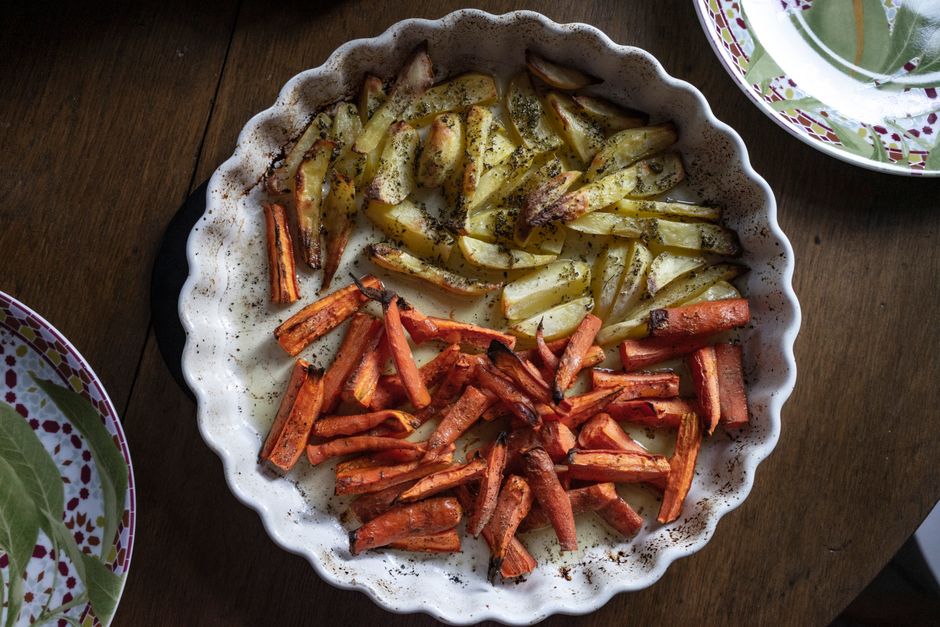
For a vegan Sunday roast, serve them with lentil loaf, sage-and-onion stuffing, steamed greens, and a mushroom gravy. The gravy gives the roots a darker savoury contrast, while greens stop the plate feeling heavy.
Best combinations for a full meal
- Vegan roast dinner: pair with lentil loaf, roast potatoes, cabbage, and mushroom gravy.
- Quick weeknight plate: serve with butter beans, couscous, lemon, and chopped parsley.
- Winter lunch: add the roots to pearl barley, toasted walnuts, and rocket with a mustard dressing.
Do not add another sweet side such as glazed sweet potatoes unless you want a very rich plate. The better contrast comes from something salty and creamy, such as white bean purée or hummus, plus a green vegetable with a little lemon. Toasted pumpkin seeds also work well because they add crunch without making the dish sweeter.
If you need a child-friendly version, leave out the mustard and rosemary, then add a small pinch of cinnamon. For adults, black pepper and fresh thyme give the tray more depth. The core verdict stays the same: pair these roots with savoury food, not another sugary side.
Can you prepare maple-roasted parsnips and carrots ahead?
What can you do before dinner?
Yes. Peel and cut the vegetables up to 24 hours ahead, then store them in an airtight container in the fridge. Line the container with a dry tea towel if the pieces look damp. Mix the maple glaze separately and refrigerate it in a small jar. Take both out while the oven heats, but keep the cut vegetables chilled until the tray is ready. Chilled roots can still roast well if you dry them properly and give them a hot, uncrowded tray.
How do you reheat the leftovers?
Spread leftovers on a baking tray and reheat at 200°C, or 180°C fan, for 10 to 12 minutes. Avoid the microwave if texture matters; it warms the centres but leaves the edges soft. Do not add a fresh spoonful of maple syrup before reheating because the extra sugar may burn. Add a few drops of lemon juice after reheating instead.