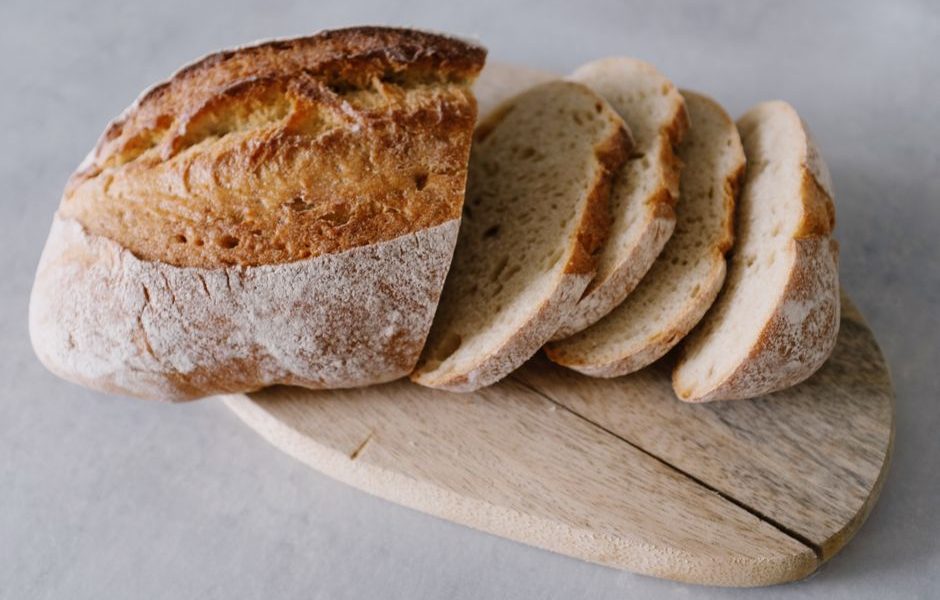
You pull the loaf from the oven, cut into it too soon, and find a heavy, damp middle under a hard crust. That is the usual wholemeal vegan soda bread problem.
Why wholemeal vegan soda bread turns dense
The loaf rises because an acid reacts with bicarbonate of soda and releases carbon dioxide. That gas needs to form and expand before the dough sets. Yeast is not involved, so there is no long proofing stage to rescue a badly mixed dough.
Wholemeal flour needs more moisture
Bran and germ make wholemeal flour more filling and flavoursome, but they also cut through the gluten network and absorb water. A dough that feels perfectly wet after mixing can become stiff five minutes later. The finished dough should look rough, sticky and too soft to knead like a normal loaf. If it forms a smooth ball that feels easy to handle, you have probably added too much flour.
More bicarbonate does not mean more lift
Use about 7g of bicarbonate of soda for 450g of flour. Extra soda leaves a bitter, soapy taste and can turn the crumb yellow. The acid also matters. Plant milk on its own is not acidic enough, so add cider vinegar or lemon juice and give it five minutes to split slightly before mixing. The best rise comes from a fresh reaction, a hot oven and quick handling.
The ingredient ratio that gives a tender loaf
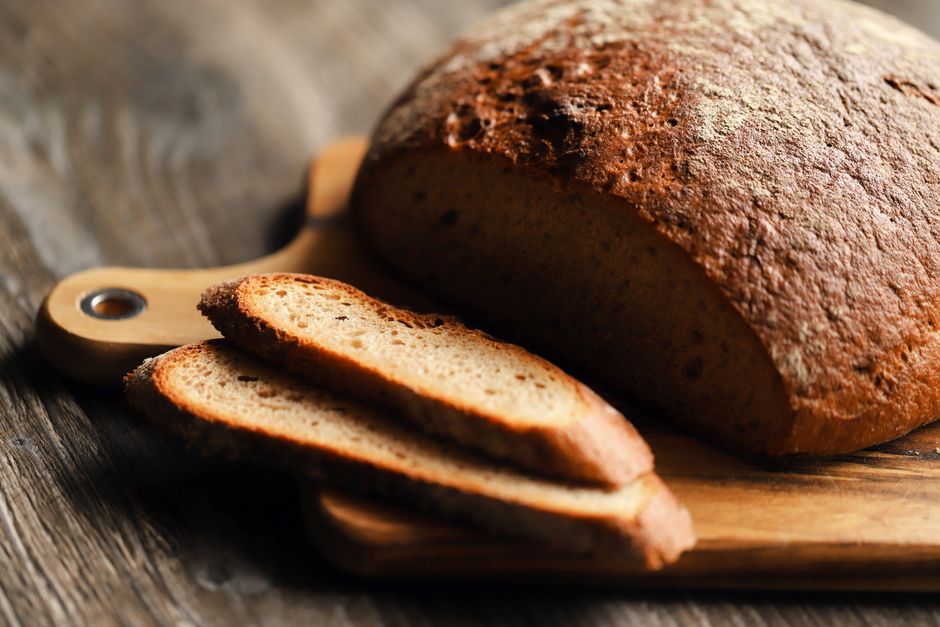
Weigh the flour rather than scooping it into a cup. That single habit prevents the dry, cracked dough that ruins many first attempts.
Use this basic ratio
For one small loaf, combine 450g wholemeal flour, 7g bicarbonate of soda, 5g fine salt, 400ml unsweetened plant milk and 15ml cider vinegar. The dough should hold a rough mound but spread slightly on the tray. A little extra flour on your hands is fine; mixing another 50g into the dough is not.
| Ingredient | Amount | Job in the loaf | Common mistake |
|---|---|---|---|
| Wholemeal flour | 450g | Structure, fibre and nutty flavour | Adding flour until the dough feels dry |
| Unsweetened plant milk | 400ml | Hydration and tenderness | Using a thin drink and holding back liquid |
| Cider vinegar | 15ml | Acid for the soda reaction | Leaving out the acid |
| Bicarbonate of soda | 7g | Fast lift in the oven | Using a heaped spoonful |
| Fine salt | 5g | Balances the wholemeal flavour | Forgetting it because the bread is vegan |
Keep the dough plain at first
Seeds, oats and nuts taste good, but they take up liquid. Make the first loaf without them. Once the crumb is right, add up to 40g of seeds and 20ml more plant milk. That keeps the recipe predictable instead of turning every bake into a new experiment.
Ingredients and equipment
- 450g wholemeal flour.
- 7g bicarbonate of soda.
- A large bowl, a baking tray, baking paper and a sharp knife.
Method and timings
- Heat the oven to 220°C conventional or 200°C fan. Put the lined tray inside while it heats.
- Stir the plant milk and vinegar together. Leave it for five minutes.
- Mix the flour, bicarbonate of soda and salt in a wide bowl.
- Tip the sticky dough onto a lightly floured surface. Shape it into a round about 18cm wide and 5cm high. Do not knead it.
- Move it to the hot tray and cut a deep cross across the top. Bake for 35 to 40 minutes.
- Lift the loaf and tap its base. It should sound hollow. Cool for at least 20 minutes before slicing.
The crust will be firm when it comes out but softens slightly as it cools. If the centre still feels gummy, return the loaf to the oven for 8 to 10 minutes at 190°C.
Which plant milk works best in vegan soda bread?
The carton does not need to be labelled as a baking product; it simply needs to be unsweetened and free from strong vanilla flavour.
Can oat milk replace soya milk?
Yes, but expect a softer, slightly sweeter loaf. Oat milk works best when the dough is already fairly wet, so use the full 400ml in the base recipe. The crust may colour faster because many oat drinks contain more natural carbohydrate.
What about almond, coconut or pea milk?
Unsweetened almond milk can work, although it often produces a lighter and more crumbly middle. Pea milk gives good body but can taste noticeable in a plain loaf. Check the label for added sugar and vanilla. If the drink tastes sweet from the carton, it will taste even sweeter after baking. Add the vinegar to the milk before it touches the flour so the acid is spread through the dough.
The mistakes that flatten a wholemeal soda loaf
Most failures happen before the loaf reaches the oven. Fix these in order rather than changing every ingredient at once.
- Old bicarbonate of soda: A tub that has been open for months may have lost strength. Replace it if the powder smells stale or has absorbed moisture.
- Overmixing: Stir until no dry flour remains, then stop. Ten minutes of kneading develops a tight, heavy dough and pushes out the gas you need.
- A cold oven: Soda bread needs strong heat at the start. Preheat fully and use a hot tray for a firm base.
- A deep, tall shape: A tall loaf browns before the centre cooks. Keep the round wide and no more than 5cm high.
- Waiting before baking: The acid and soda start reacting as soon as they meet. Do not prepare the dough, wash up and then put it in the oven half an hour later.
- Cutting it while hot: Steam still moves through the crumb after baking. Slice too soon and the middle looks wet even when the loaf is cooked.
How to read the dough
Dry cracks around the sides mean it needs one or two tablespoons more milk. A dough that flows like thick cake batter needs another tablespoon of flour, not a whole handful. The target is sticky and shapable, with visible rough edges. Trust that texture more than the clock.
When wholemeal soda bread is the wrong choice
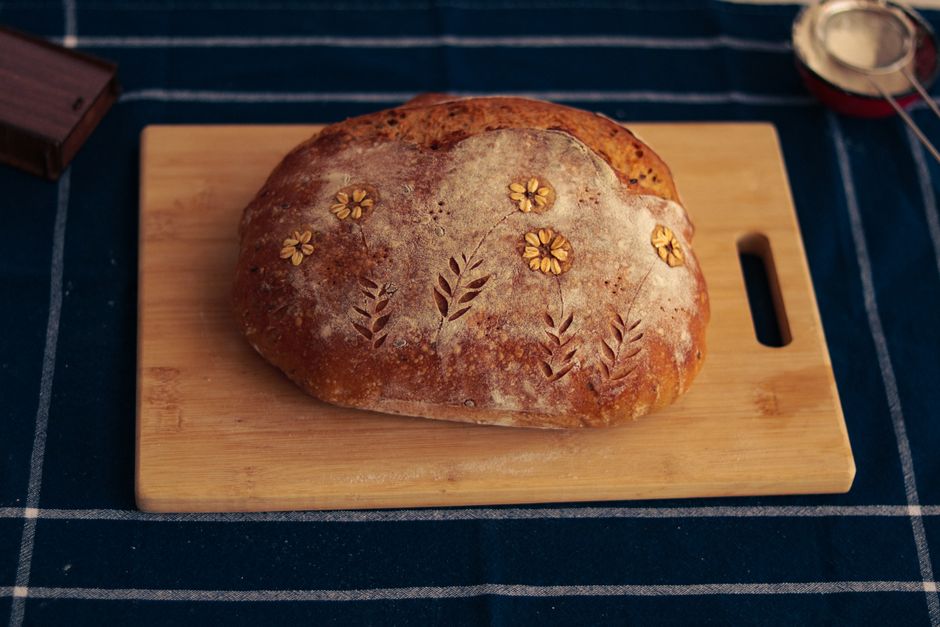
Wholemeal soda bread solves one problem very well: you need fresh bread quickly without yeast or a long rise. It is not the best answer for every kind of sandwich. The crumb is close and tender, the crust is firm, and the loaf dries faster than a yeasted tin loaf.
Choose a yeasted loaf for soft sandwich slices
If you need bread for packed lunches across four or five days, make a yeasted loaf instead. Yeast gives you a taller crumb and better flexibility, especially after toasting. A wholemeal soda loaf is better for eating on the day, dunking into soup or serving alongside a cooked breakfast. A baking tray gives the loaf room to spread and makes the crust more even.
Do not treat this as a gluten-free recipe
Wholemeal wheat flour contains gluten. Replacing it with a gluten-free blend is not a one-to-one swap because gluten-free flour absorbs liquid differently and needs a binder. Anyone with coeliac disease also needs certified gluten-free ingredients and careful control of cross-contact. For a genuinely gluten-free loaf, use a recipe written for that flour blend rather than altering this one.
For the fastest reliable vegan loaf, choose soda bread. For soft slices that last several days, choose a yeasted loaf. That trade-off is fixed by the method, not by adding another spoonful of oil.
How to store and serve it without losing the crust
The best slice is warm but not hot, with a crisp edge and a moist centre.
Storage that keeps the crumb usable
Once cool, wrap the loaf in a clean tea towel or place it in a paper bag. Avoid sealing it in plastic while the crust is still warm. At room temperature, it is at its best for 24 hours and still usable for about 48 hours. After that, the crumb becomes noticeably dry. Freeze sliced portions in a sealed container for up to one month. Toast the slices from frozen; thawing them on the counter makes the surface damp.
Serve it with the right foods
Thick slices suit soups, lentil stews, baked beans and mashed avocado. If the crust feels too hard the next day, sprinkle the loaf with a few drops of water and warm it at 180°C for 8 minutes. Do not microwave the whole loaf, because the crust turns rubbery. For a crisp breakfast slice, cut it 1.5cm thick and toast it once on each side. The loaf needs no elaborate topping. Salted dairy-free spread and a bowl of hot soup are enough.
Once the dough is weighed, mixed briefly and baked hot, wholemeal vegan soda bread stops being temperamental. The reliable cues are simple: a sticky dough, a wide shape, a deep cross and a hollow-sounding base.