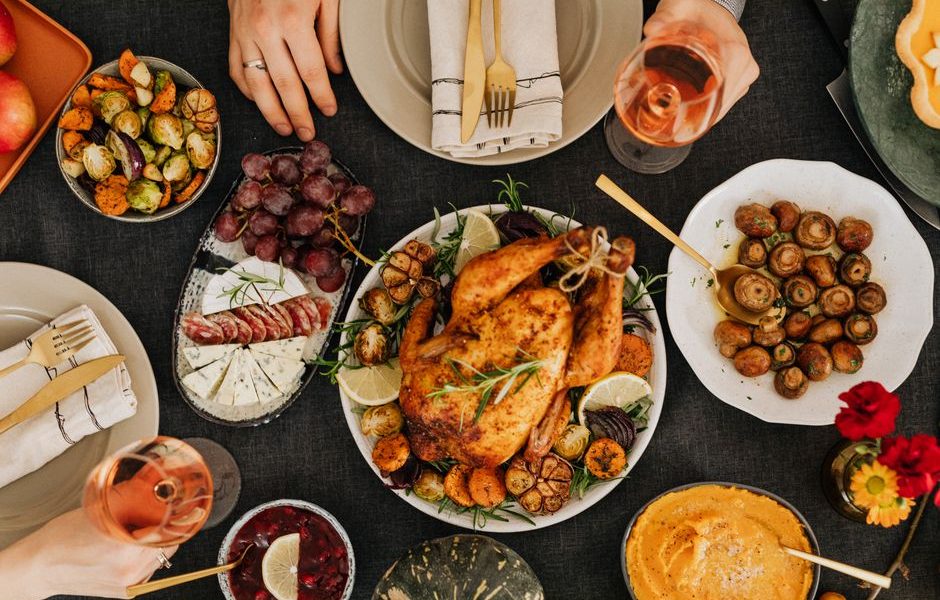
Sheet-pan chicken works because one hot oven can brown the meat and roast the vegetables at the same time. The trick is not a special pan or a complicated sauce; it is matching the size and timing of each ingredient.
What Makes Sheet-Pan Chicken Cook Evenly?
Chicken needs steady heat, not a crowded tray
The best weeknight choice is boneless, skinless chicken thighs cut into pieces about 1½ inches wide. Thighs contain more fat than breasts, so they stay juicy when the vegetables need extra oven time. Chicken breasts can work, but their lean meat dries faster, especially when cut into small pieces. If you use breasts, leave them in larger 2-inch chunks and start checking their temperature early.
Spread the chicken and vegetables across the pan with space between the pieces. Food browns when hot air can move around it. A crowded tray traps steam, which leaves you with pale chicken and soft vegetables. Use two pans if the ingredients cover the surface in one thick layer. Rotating two pans halfway through the cooking time is still faster than trying to rescue a steamed dinner.
Cut vegetables by density and size
Vegetables do not finish together by accident. Dense potatoes and carrots need a head start, while zucchini, peppers, and broccoli cook quickly. Cut dense vegetables smaller or add them first. Keep quick-cooking vegetables in larger pieces so they do not collapse before the chicken is ready.
For a reliable tray, cut potatoes into 1-inch cubes, carrots into ½-inch diagonal pieces, broccoli into 2-inch florets, bell peppers into 1½-inch squares, and zucchini into 1-inch chunks. These sizes give the vegetables enough surface area to brown without turning mushy. Pat the chicken dry before seasoning, and dry washed vegetables with a towel. Surface moisture is the enemy of browning.
Best basic verdict: Use boneless chicken thighs, a 425°F oven, and one uncrowded layer. That combination gives a wider margin for error than chicken breasts or a lower oven temperature.
What Oven Temperature and Timing Should You Use?
Use 425°F for the main roast
Set the oven to 425°F, or about 220°C, and let it heat fully before the tray goes in. This temperature is hot enough to brown the edges of the chicken and vegetables while giving the chicken time to cook through. At 400°F, the meal may need a few extra minutes and often produces less browning. At 450°F, thin vegetables can scorch before larger chicken pieces finish.
Line the tray with parchment if cleanup matters, but do not use a deep casserole dish. A shallow rimmed baking sheet exposes more food to hot air. Leave at least ½ inch between pieces when possible. Place the chicken in the center and the vegetables around it, or use separate zones so you can remove quick-cooking vegetables early.
Follow the timing chart, then trust the thermometer
| Ingredient | Cut size | When to add | Typical oven time |
|---|---|---|---|
| Baby potatoes | 1-inch cubes | At the start | 30–35 minutes |
| Carrots | ½-inch diagonal pieces | At the start | 25–30 minutes |
| Boneless chicken thighs | 1½-inch chunks | At the start | 22–28 minutes |
| Broccoli florets | About 2 inches | After 8–10 minutes | 15–20 minutes |
| Zucchini | 1-inch chunks | After 12–15 minutes | 10–15 minutes |
Times vary with pan color, piece size, starting temperature, and how often the oven door opens. The chicken is ready when the thickest piece reaches 165°F on an instant-read thermometer. Insert the probe from the side into the center of the largest piece. Do not judge doneness by color alone; roasted spices can make cooked chicken look darker than it is.
Bottom Line: 425°F is the winning setting for this meal, but the thermometer decides when the chicken comes out. The chart controls texture; temperature controls safety.
How Should You Cut and Season the Tray?
Build the tray in five practical steps
- Dry everything first. Blot the chicken and vegetables so oil can cling to the surface instead of mixing with water.
- Cut dense vegetables smaller. Make potatoes about 1 inch and carrots about ½ inch thick. Keep zucchini and peppers larger.
- Oil lightly. For a standard half-sheet pan, use about 1½ tablespoons of olive oil for 1½ pounds of chicken and vegetables. Too much oil makes the tray greasy; too little leaves dry edges.
- Season in layers. Salt the chicken and dense vegetables before roasting. Add delicate herbs, lemon juice, or a finishing sauce after cooking so they keep their flavor.
- Leave room. If the pieces touch, divide the food between two pans instead of piling it higher.
Use a measured seasoning mix
For 1½ pounds of chicken and vegetables, start with 1½ teaspoons kosher salt, 1 teaspoon sweet or smoked paprika, 1 teaspoon garlic powder, ½ teaspoon black pepper, and ½ teaspoon dried oregano. Diamond Crystal Kosher Salt comes in a 3-pound box and has larger, lighter crystals than Morton Kosher Salt’s 3-pound box, so the same spoonful does not deliver the same amount of salt. If Morton is what you have, begin with slightly less and adjust at the table.
McCormick Smoked Paprika in a 2.5-ounce jar adds color and a mild wood-smoke note, but it can dominate a small tray if you use a tablespoon. Keep it to 1 teaspoon for a balanced result. Kikkoman Less Sodium Soy Sauce in a 10-ounce bottle works as a finishing option for a savory version; use 1 teaspoon per serving after roasting rather than adding it before cooking, where it can darken the vegetables too quickly.
My clear seasoning pick is the dry mix before roasting, followed by lemon juice and chopped parsley after the tray comes out. It gives better browning than a wet marinade and leaves enough flavor flexibility for leftovers. The common mistake is adding honey, barbecue sauce, or a sugary glaze at the start. Those sauces can burn at 425°F. Brush them on during the final 3–5 minutes instead.
Should You Rest Sheet-Pan Chicken Before Serving?
Resting protects texture
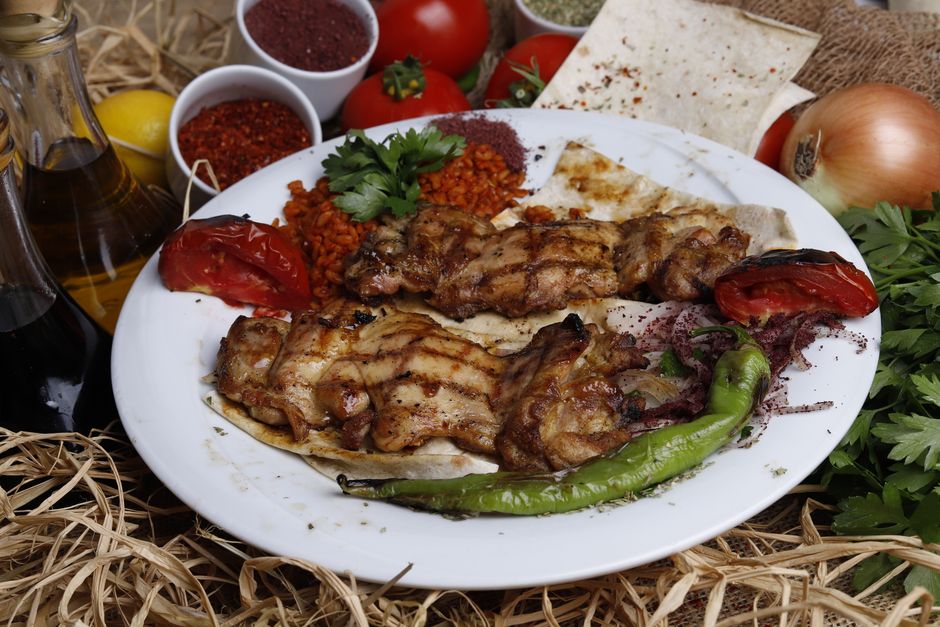
Yes: rest the chicken for five minutes on the tray after it reaches 165°F. That short pause lets the juices settle so they stay in the meat instead of running across the cutting board, and it gives carryover heat time to finish the thickest pieces without forcing you to keep roasting them. Do not cover the pan tightly with foil, because trapped steam softens the crisp edges of the vegetables; a loose sheet of foil over only the chicken is enough if the meat needs to stay warm while you finish a sauce.
Use the pause to finish the meal
Five minutes is also enough time to squeeze over lemon, scatter herbs, taste one vegetable for salt, and move the food to plates. If the chicken reads 160–164°F when you check it, return it to the oven for a few minutes instead of relying on resting alone. If the chicken is already at 165°F, take it out immediately. More oven time will not improve safety, but it can make lean pieces dry and turn zucchini limp.
Verdict: Resting is part of the cooking method, not wasted time. Five minutes gives you a juicier bite and crispier vegetables than serving the moment the pan leaves the oven.
How Do You Store and Reheat Leftover Chicken?
How soon should leftovers go into the refrigerator?
Divide leftovers into shallow containers and refrigerate them within two hours of cooking, or within one hour if the room is above 90°F. Shallow containers cool faster than a deep pile of food. Keep the chicken and vegetables together if you plan to reheat them as a bowl, but store crisp vegetables separately if you want to use them in a salad or wrap.
How long do cooked chicken leftovers last?
Use refrigerated cooked chicken within three to four days. Label the container with the cooking date rather than trusting memory. Freeze portions that will not be eaten in that window. Frozen leftovers keep their best texture for about two to six months, although they remain safe longer when kept continuously frozen.
What is the best way to reheat them?
For one serving, reheat the chicken and dense vegetables in a covered skillet with a tablespoon of water over medium-low heat, then uncover for the final minute. The microwave is faster: cover the food loosely, heat in 60-second bursts, and stir or rearrange between bursts. The food should reach 165°F throughout. Do not reheat the whole batch repeatedly; warm only the portion you will eat.
Leftovers have a second life beyond reheating. Chop the chicken into a grain bowl, fold it into a tortilla with greens, or add it to a broth-based soup near the end so it does not overcook. Roasted zucchini may turn soft, so use it in soup or pasta rather than expecting it to regain its original texture.