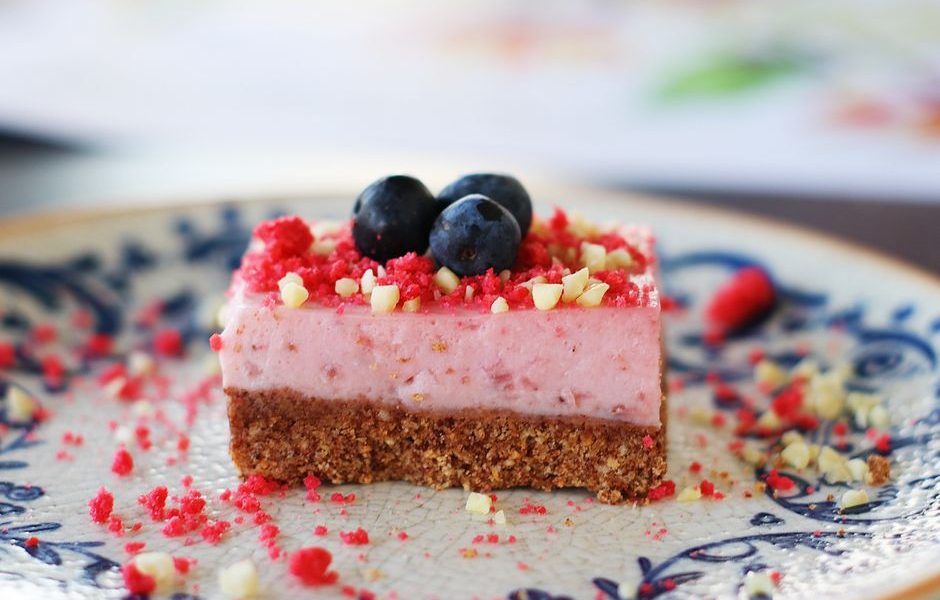
A typical 40-gram serving of rolled oats provides about 4 grams of fibre, but fibre is not the reason many oat bars crumble. The real problem is usually excess moisture, a weak binder, or slicing the pan before it cools. This recipe solves those points with measured ingredients, a short pre-bake, and a firm cooling period. No state food-safety law is discussed here; this page covers home baking technique and recipe choices.
Why Vegan Raspberry Oat Bars Fall Apart
The best vegan raspberry oat bars have three distinct layers: a firm oat base, a concentrated raspberry centre, and a crumb topping that stays tender without turning greasy. My clear recommendation is to control moisture before changing the recipe. Most failed bars do not need more flour. They need a thicker filling, enough fat to bind the oats, and time to set.
Raspberry filling carries more water than it looks
Jam and fruit spread contain sugar, fruit solids, and water. During baking, that water loosens the oat mixture around it. A very runny spread can soak through the base and leave a soft stripe that breaks when lifted. Use a thick raspberry preserve, or simmer a loose spread in a small saucepan for 3 to 5 minutes until it coats a spoon. Cool it before spreading it over the crust. For an even firmer centre, stir 12 grams of chia seeds into 240 grams of raspberry spread and let the mixture sit for 10 minutes.
Vegan bars need a real setting period
Butter-based bars often firm as soon as they leave the oven because dairy fat and flour create a stable crumb. Vegan bars can stay soft while warm, especially when the filling contains fruit. Let the pan cool on a rack for at least 2 hours. For sharp edges, chill the cooled pan for 30 minutes before cutting. Press the base firmly into the pan with the flat bottom of a measuring cup. Loose crumbs at the bottom cannot form a stable foundation, no matter how long the bars bake.
The Formula That Bakes Clean Slices
The most reliable formula uses an 20cm square metal tin, a 180°C (160°C fan) oven, and a short pre-bake for the bottom layer. Weighing the ingredients gives a more repeatable result than filling measuring cups by eye. The table below gives the full structure.
| Component | Ingredient | Amount | Purpose |
|---|---|---|---|
| Base and crumb | Old-fashioned rolled oats | 240 g | Chewy texture and structure |
| Base and crumb | All-purpose flour | 125 g | Holds the oat mixture together |
| Base and crumb | Light brown sugar | 100 g | Sweetness and moisture |
| Base and crumb | Baking powder | 4 g | Lightens the crust |
| Base and crumb | Fine salt | 3 g | Balances the fruit |
| Wet mixture | Melted vegan butter | 170 g | Fat and binding power |
| Wet mixture | Maple syrup | 60 g | Extra moisture and flavour |
| Filling | Thick raspberry spread | 240 g | Fruit layer |
| Filling | Fresh lemon juice | 10 g | Brightens the raspberry flavour |
Mix and layer in the correct order
Line the pan with parchment, leaving handles on two sides. Mix the oats, flour, brown sugar, baking powder, and salt in a large bowl. Stir the melted vegan butter, maple syrup, and vanilla into a second bowl. Pour the wet mixture over the dry ingredients and mix until no dry flour remains. Reserve about 150 grams for the topping. Press the rest into the pan, spreading it all the way into the corners. Bake the base for 10 minutes at 180°C (160°C fan).
Bake until the edges give a clear signal
Stir the lemon juice into the raspberry spread, then spread it over the warm base. Scatter the reserved oat mixture across the top. Bake for another 28 to 32 minutes. The edges should look golden brown, and the centre should move slightly when the pan is nudged. A wet-looking centre is normal; a liquid centre means the bars need more time. Cool completely before lifting the parchment and cutting into 16 squares.
Five Mistakes That Ruin the Bars
The safest approach is to fix the process before adding extra flour or sugar. These five mistakes account for most weak, soggy, or overly hard batches.
The failure points to check first
- Using a glass pan without adjusting the bake. Glass heats more slowly than metal, so the centre may stay soft while the edges darken. Add 5 to 8 minutes and watch the centre rather than relying only on the clock.
- Spreading cold, thick crust unevenly. Thin corners burn before the middle sets. Press the mixture to an even thickness, especially along the edges.
- Adding too much raspberry spread. More filling does not create a better fruit layer. Above 240 to 260 grams in a 20cm tin, the water has fewer places to escape.
- Cutting the bars while warm. Warm oat bars look underbaked because the sugar and fat have not set. Cool for 2 hours, then chill for 30 minutes if clean slices matter.
- Replacing rolled oats with oat flour one for one. Oat flour absorbs liquid differently and removes the chew. If using it, replace only up to one-third of the rolled oats and add 10 to 15 grams of extra melted vegan butter.
What to do with a batch that went wrong
If the bars are crumbly but fully baked, chill them and serve them as spoonable oat crumble over nondairy yogurt. If the centre is wet after cooling, return the pan to a 160°C (140°C fan) oven for 10 to 15 minutes and cool it again. If the bars are hard, the likely causes are overbaking or too little fat. Cut them into small pieces and serve them with warm berries instead of throwing them away. The texture may change, but the flavour can still work.
How to Adapt the Recipe Without Losing Its Shape
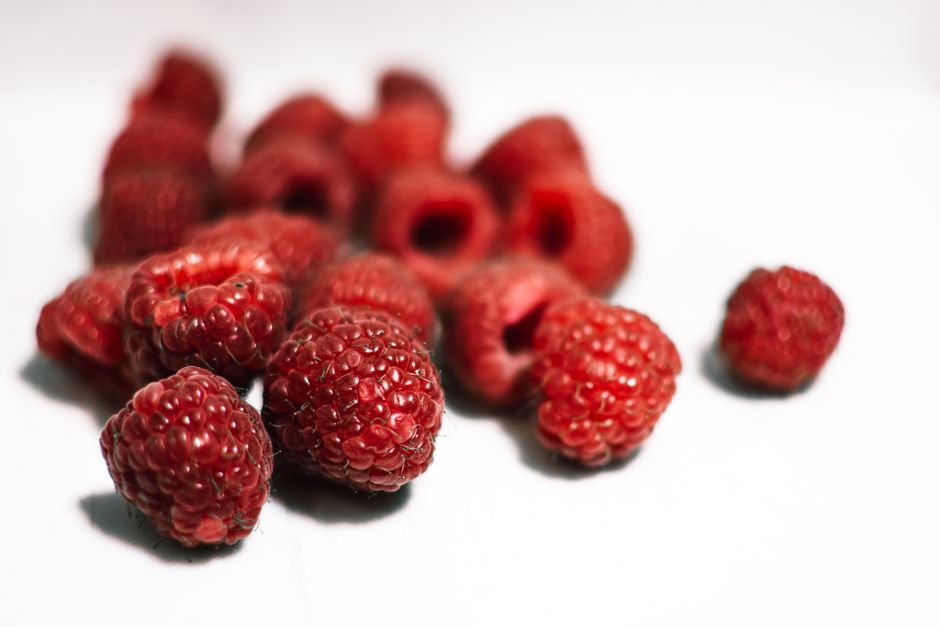
The best adaptation is the one that changes a single variable at a time. Keep the pan size and bake temperature stable while you alter the flour, sweetener, or fruit.
Can you make the bars gluten-free?
Yes. Use certified gluten-free rolled oats and replace the 125 grams of plain flour with a gluten-free measure-for-measure blend that contains a binder such as xanthan gum. Check the blend label rather than adding extra gum automatically. Bake for the same 28 to 32 minutes, then allow a full cooling period. The texture may be slightly more tender, but the bars should still hold if the base is pressed firmly.
Can you make them nut-free or less sweet?
The basic recipe is nut-free as written. Check the labels on vegan butter and fruit spread if the bars will be served to someone with a serious allergy, because manufacturing facilities vary. To reduce sweetness, use 75 grams of brown sugar and choose an unsweetened or low-sugar raspberry spread. Do not remove all the sugar: sugar helps the crust brown and keeps the oats from tasting dry. For a brighter result, add 1 teaspoon of finely grated lemon zest rather than extra lemon juice.
What can replace raspberry?
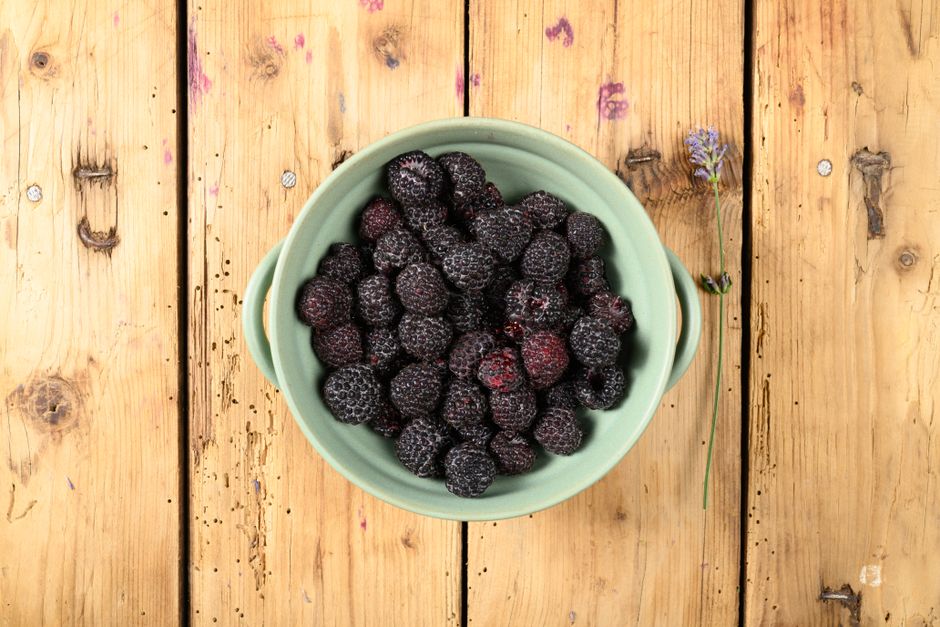
Strawberry, sour cherry, and blackberry spreads can replace raspberry at the same 240-gram weight. Sour cherry gives the sharpest contrast to the sweet oat base and is my best alternative. Fresh berries are less reliable because they release more water. If using fresh fruit, cook 300 grams with 30 grams of sugar until reduced to about 240 grams, then cool the mixture before layering it.
When These Bars Are the Right Dessert
My final recommendation is simple: make these bars when you want a portable vegan dessert with a firm crust and a sharp fruit centre. They are better than a soft crumble for lunch boxes, coffee trays, and freezer storage because each square can be wrapped without collapsing. They are not the best choice when you want a light, airy cake or a dessert that can be served straight from the oven.
Choose the bar style that matches the occasion
For clean slices, use the full 170 grams of vegan butter and chill before cutting. For a softer breakfast square, reduce the bake time by 3 minutes and serve the bars at room temperature. For a less sweet dessert, use sour cherry spread and reduce the brown sugar slightly. My strongest choice for most home bakers remains the standard raspberry version because the fruit acidity keeps the oat base from tasting heavy.
Comparison summary
| Version | Best use | Main adjustment | Verdict |
|---|---|---|---|
| Classic raspberry | Snacks, lunch boxes, coffee | Use 240 g thick raspberry spread | Best all-purpose choice |
| Sour cherry | Less-sweet dessert plates | Replace raspberry at the same weight | Best for sharper flavour |
| Gluten-free | Gluten-free gatherings | Use certified oats and measure-for-measure flour | Reliable after full cooling |
| Fresh-berry version | Seasonal baking | Reduce cooked berries before layering | Best flavour, most work |