Why courgette and lemon work in a vegan pasta sauce
You want dinner in 25 minutes, but the usual vegetable pasta can turn watery, flat, or strangely sweet. Courgette and lemon solve different parts of that problem. Courgette brings moisture and a soft, savoury texture. Lemon cuts through the oil and gives the dish enough sharpness to taste fresh rather than heavy.
Courgette needs heat, not a long simmer
Courgettes contain a lot of water. If you cook them slowly in a crowded pan, they steam in their own liquid. The result is pale, limp vegetable and a thin sauce. High heat works better. Slice two medium courgettes into thin half-moons, add them to a wide pan, and cook for 6 to 8 minutes. Leave them alone for the first 2 minutes so the cut sides can brown.
Do not cook every slice until soft. The best texture has two parts: some courgette should collapse into the sauce, while the rest should still have a little bite. Remove roughly one-third of the browned pieces before adding the pasta. Stir them back in at the end.
Lemon needs fat, salt, and pasta water
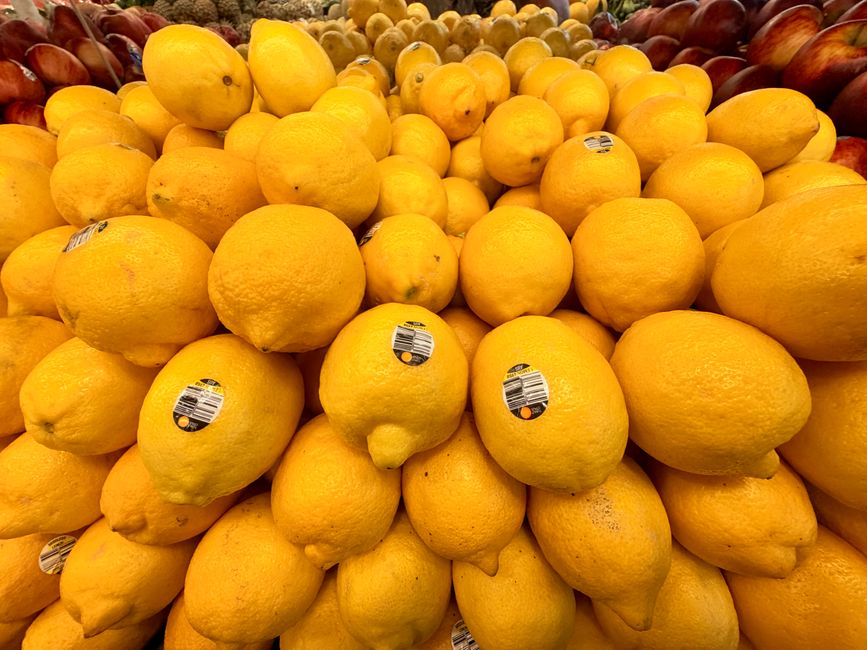
Lemon zest gives fragrance. Lemon juice gives acidity. They should not go into the pan at the same time. Add zest while the courgette cooks so its oils spread through the olive oil. Add juice after the heat drops, because prolonged boiling can make the flavour harsh.
Salt the pasta water heavily, using about 10g of salt for every litre of water. The salty water seasons the linguine from the inside and gives the sauce starch. That starch helps olive oil, lemon juice, and mashed courgette cling to the pasta instead of separating.
Verdict: the right vegan courgette and lemon linguine is built around browned courgette, fresh zest, and starchy water. It does not need vegan cream to taste rich.
How to make vegan courgette and lemon linguine without a watery sauce
The winning method is short and controlled. Use one large pan for the courgette and one pot for the linguine. Start the pasta before the vegetables finish, so the noodles arrive while the sauce base is hot.
Use this five-step cooking order
- Boil the water. Use at least 3 litres for 300g of linguine. Salt it before the pasta goes in.
- Brown the courgette. Heat 2 tablespoons of olive oil in a wide frying pan. Add 2 thinly sliced courgettes and cook over medium-high heat for 6 to 8 minutes. Stir only when the edges colour.
- Build the flavour base. Add 2 minced garlic cloves, the zest of 1 lemon, ¼ teaspoon of chilli flakes, and a pinch of black pepper. Cook for 45 seconds. Garlic should smell sweet, not brown.
- Finish the pasta in the pan. Cook 300g linguine until 2 minutes short of the packet time. Transfer it with 180ml of pasta water. Toss for 2 to 3 minutes until the liquid coats the strands.
- Add the sharp ingredients off the heat. Stir in 2 tablespoons of lemon juice, 2 tablespoons of nutritional yeast, and the reserved courgette. Taste before adding more salt.
Control the sauce one spoon at a time
Start with 120ml of pasta water, then add more only if the noodles look dry. A glossy sauce should sit on the pasta rather than pool at the bottom of the pan. If the sauce looks thin, keep tossing over low heat for another minute. The starch needs movement to thicken.
If the dish becomes too sharp, add another teaspoon of olive oil and a small pinch of salt. If it tastes dull, add lemon zest before adding more juice. Extra juice adds sourness quickly, while zest increases lemon flavour without making the sauce runny.
Verdict: finish the linguine in the courgette pan and add lemon juice off the heat. That single change prevents most watery vegan pasta sauces.
What makes vegan courgette linguine fail?

Most failures come from excess water, weak seasoning, or adding the lemon at the wrong time. The fixes are simple once you know what caused the problem.
Why did the sauce turn watery?
The pan was too small, the courgettes were crowded, or too much pasta water went in at once. Use a wide pan and brown the courgette in one layer. If you are cooking more than two courgettes, work in batches. Add pasta water gradually, starting with 120ml for 300g of dry pasta.
Why does the pasta taste bland?
Lemon cannot replace salt. Taste the courgette before adding the pasta, and taste the finished dish again after the lemon juice goes in. Add salt in small amounts. Garlic, chilli, black pepper, and nutritional yeast also need enough oil to spread through the sauce.
Can the recipe be made ahead?
It is best served immediately because the linguine keeps absorbing liquid as it cools. If you must save leftovers, refrigerate them for up to 2 days in a sealed container. Reheat in a frying pan with 1 tablespoon of water and 1 teaspoon of olive oil. A microwave can make the courgette soft and the sauce greasy.
Do not use frozen courgette for the main version. It releases too much water and will not brown well. Frozen peas are a useful addition, but add 100g during the final 2 minutes of pasta cooking rather than replacing the courgette.
Verdict: the biggest mistake is treating courgette like a dry vegetable. Give it space to brown, then control the liquid carefully.
The best final formula for vegan courgette and lemon linguine
My recommendation is the two-texture version: browned courgette, a small amount mashed into the sauce, and the rest folded through at the end. It tastes fresher than a fully blended sauce and feels more substantial than plain noodles with vegetables.
Use these quantities for two large portions
Cook 300g linguine with 2 medium courgettes, 2 tablespoons extra virgin olive oil, 2 garlic cloves, the zest and juice of 1 unwaxed lemon, 2 tablespoons nutritional yeast, ¼ teaspoon chilli flakes, 180ml reserved pasta water, and black pepper. Add 2 tablespoons chopped parsley if you have it. The parsley is optional; the lemon zest is not.
Brown the courgette first. Remove one-third of it. Add the garlic, zest, chilli, and pepper to the pan. Add the nearly cooked linguine and 120ml pasta water. Toss until glossy, adding the remaining water only if needed. Turn off the heat, then add lemon juice, nutritional yeast, and the reserved courgette.
When to choose a different pasta
Choose spaghetti when you want a lighter, more delicate plate. Choose rigatoni when you are adding peas, white beans, or roasted peppers and need a shape that can hold larger pieces. Choose wholewheat linguine only if you like its firm, nutty taste; it can overpower the lemon and needs an extra 30 to 60 seconds in the pan.
For a quick weeknight dinner, standard linguine remains the best match. It carries the sauce, keeps a pleasant bite, and lets the courgette and lemon stay in charge.