A common misconception is that courgette cake should taste strongly of green vegetables. It should not. Properly prepared courgette melts into the crumb, adding water and softness while cinnamon, vanilla, and lime do the flavour work.
Why vegan courgette cake stays moist without eggs
What the grated courgette actually does
Courgette serves two useful roles. First, its fine shreds release enough moisture to replace part of the liquid normally supplied by eggs. Second, the vegetable fibres hold water during baking, so the finished cake stays tender for longer than a plain sponge. That moisture only helps if the courgette is grated finely and measured after trimming. Large chunks create wet pockets, while aggressively squeezed courgette can leave the cake dry.
The ratio that keeps the crumb light
For one 20cm round cake, use 250g finely grated courgette, 220g plain flour, 140g light brown sugar, 80ml neutral oil, 120ml unsweetened plant milk, 1 tablespoon lime juice, 1 teaspoon baking powder, and half a teaspoon bicarbonate of soda. This balance gives the flour enough liquid to hydrate without turning the batter into paste.
| Ingredient | Amount | Job in the cake |
|---|---|---|
| Courgette | 250g | Moisture and soft texture |
| Plain flour | 220g | Structure |
| Neutral oil | 80ml | Richness without butter |
| Lime juice | 15ml | Acid for lift and fresh flavour |
My verdict is clear: courgette works best when treated as a measured liquid source, not as a free handful of vegetables.
How to prepare courgettes for a non-watery cake
Use this five-step preparation method
- Trim both ends and weigh the courgette before grating.
- Use the fine side of a box grater. Fine shreds spread moisture through the batter.
- Place the shreds in a sieve for five minutes. Let excess liquid drip away naturally.
- Squeeze once with clean hands, using light pressure. The courgette should remain damp, not dry.
- Measure 250g after draining, then add it straight to the wet ingredients.
When extra squeezing is necessary
Very large courgettes often contain watery centres and coarse seeds. Cut one open before grating. If the middle looks spongy or seedy, remove it with a spoon and grate only the firm outer flesh. Young courgettes usually need only a short drain. Frozen grated courgette needs a different approach: thaw it fully, press it firmly in a tea towel, and weigh the drained shreds before adding them.
Do not leave prepared courgette sitting for half an hour. Salt draws out more water and can make the shreds limp. The better method is to prepare the dry ingredients first, grate the courgette last, and mix the batter within ten minutes.
The winning texture is damp but loose. If the shreds form a compact ball after squeezing, you have removed too much moisture.
Which vegan ingredients give the best crumb
Choose milk, oil, and flour for the texture you want
Unsweetened oat milk gives this cake a soft, lightly creamy crumb, while soy milk gives slightly more body. Oatly Barista Edition, sold in a 1-litre carton, works well but has a richer taste than a basic unsweetened oat drink. Use 120ml, not a full cup, because courgette already supplies water. Neutral rapeseed oil produces a moist crumb with no strong aftertaste. Melted vegan butter gives a more pronounced bakery flavour but firms up more as the cake cools.
Plain white flour is the safest choice for a reliable rise. A 1kg bag of Doves Farm Plain White Flour is suitable for the stated 220g amount. Wholemeal flour can replace up to 60g, but using all wholemeal flour makes this particular cake heavier and dulls the lime flavour. For a gluten-free version, use a flour blend containing xanthan gum and add 10ml extra plant milk only if the batter looks unusually stiff.
Replace eggs with acid, starch, and mixing control
This cake does not need a commercial egg replacer. Baking powder and bicarbonate of soda provide lift, while lime juice activates the bicarbonate. Mix the wet ingredients separately, whisk the dry ingredients in another bowl, then fold them together just until no dry flour remains. A few small lumps are acceptable. Ten extra turns with the spoon can develop too much gluten and leave the centre rubbery.
For the best result, use ingredients at room temperature. Cold plant milk can make melted fat seize, creating streaks instead of an even batter. My verdict: use plain flour, neutral oil, and unsweetened oat or soy milk for the softest, most dependable vegan crumb.
How to make lime frosting that holds its shape
Start with a firm vegan base
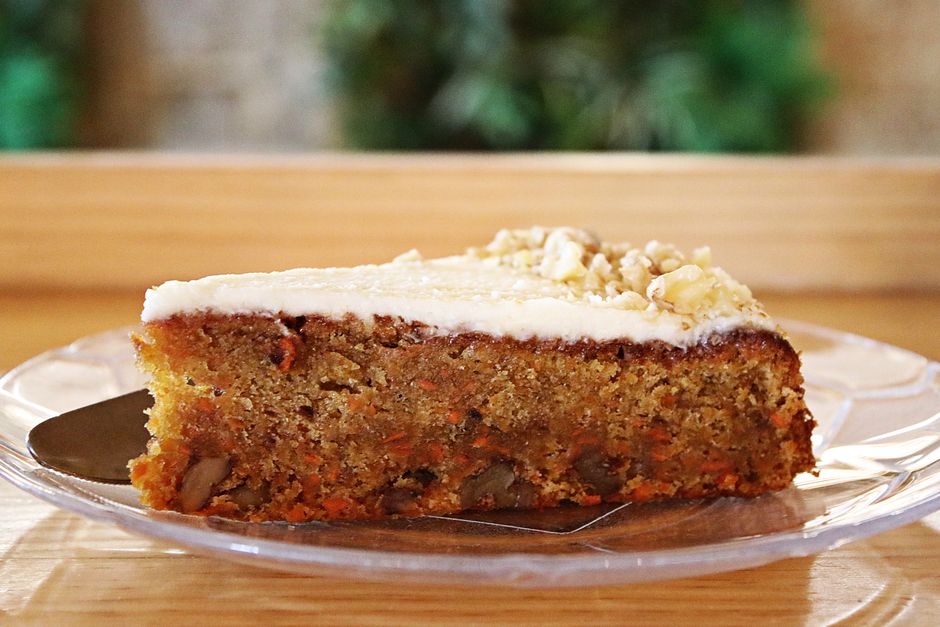
My clear recommendation is a cream-cheese-style lime frosting for a round cake. Violife Creamy Original comes in a 200g tub and gives a tangy base that cuts through the sweetness. Beat it briefly with 60g softened vegan butter, 180g icing sugar, the finely grated zest of one lime, and 1 tablespoon lime juice. Flora Plant Butter, commonly sold in a 400g pack, works well here because its higher fat content helps the frosting set after chilling.
Do not beat vegan cream cheese for several minutes as if it were dairy cream cheese. Many plant-based versions loosen quickly. Add the icing sugar in three batches, scrape the bowl, and stop as soon as the mixture looks smooth. If the frosting appears slack, chill it for 20 minutes before spreading it.
Balance sharp lime against sweetness
Lime zest carries more fresh aroma than lime juice, so use both but add the juice slowly. Start with 10ml, taste, and add the remaining 5ml only if the frosting needs more acidity. Bottled juice can taste flat; fresh lime is the better choice for the topping. A pinch of salt makes the lime taste brighter without adding more sugar.
Spread the frosting over a completely cold cake. A warm sponge melts the fat and pushes the topping toward the edges. The firmest finish comes from frosting the cake, chilling it for 30 minutes, and adding a little extra zest just before serving.
How to bake, cool, and store the cake
What oven temperature gives the best rise?
Heat a conventional oven to 180°C or a fan oven to 160°C. Line the base of a 20cm round tin and grease the sides. Spread the batter evenly, then bake for 35 to 42 minutes. The top should spring back lightly when pressed, and a skewer inserted in the centre should show a few moist crumbs rather than wet batter.
How should the cake cool before frosting?
Leave the cake in the tin for 15 minutes, then transfer it to a rack. Cool for at least 90 minutes before frosting. If the centre still feels warm, wait longer. The cake can be wrapped once fully cool and stored at room temperature for one day, or refrigerated for up to four days after frosting. Bring refrigerated slices out for 20 minutes before serving so the crumb softens.
Freezing also works. Freeze the unfrosted cake for up to two months, wrapped tightly in parchment and a freezer bag. Thaw it overnight in the refrigerator, then bring it to room temperature before adding fresh frosting.
The verdict is practical: bake by internal texture and crumb, not by the clock alone, because courgette water content varies from one batch to the next.
What mistakes make courgette cake fail
Five failure modes to avoid
- Too much courgette: Extra shreds add water faster than flour can support it, leaving a sunken middle.
- Over-squeezing: Dry courgette removes the moisture that makes the cake tender.
- Old raising agents: Baking powder loses strength after opening, so check that it still fizzes when mixed with hot water.
- Overmixing: Stir only until the flour disappears. A smooth, glossy batter is not the goal.
- Frosting a warm cake: Heat softens vegan butter and turns a neat topping into a sliding layer.
When not to use this recipe
Do not use this method for a large traybake without recalculating the baking time. The deep batter may brown before the centre cooks. Do not use heavily sweetened plant milk unless you reduce the sugar, and do not swap lime juice for bottled lime cordial. Cordial adds sugar and flavourings, changing both the balance and the moisture level.
A dense centre is usually a measurement or mixing problem, not proof that vegan cake cannot rise. Weigh the courgette after draining, use fresh raising agents, and let the oven preheat fully.
For a reliable home bake, these corrections matter more than buying specialist equipment.