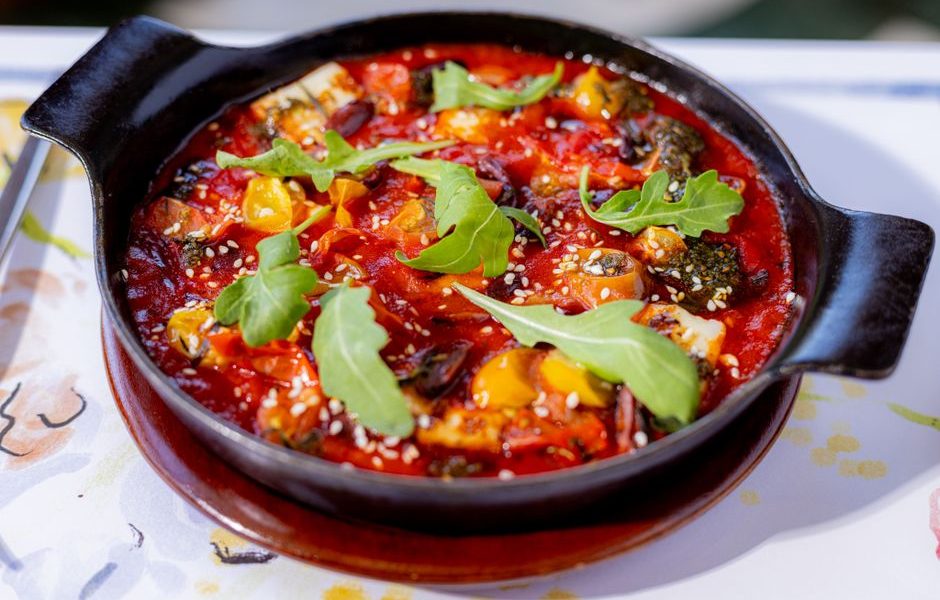
The best summer vegetable tian is built around even slices, a shallow baking dish, and enough time for the vegetables to lose water. Skip those three details and you get a pan of pale, watery vegetables swimming in juice. Get them right and the dish turns soft in the middle, browned at the edges, and rich enough to serve with bread as a full meal.
I make tian when tomatoes, courgette, yellow squash, and onions are cheap and plentiful. It looks fancy, but the technique is simple. The hard part is controlling moisture. Here is what actually matters, which cookware earns its place, and when another vegetable dish will serve you better.
What Makes a Summer Vegetable Tian Work
A tian is not just vegetables arranged in a pretty spiral. It is a slow roast designed to solve one basic problem: summer vegetables contain a lot of water, but their flavour improves when that water leaves gradually and their surfaces brown. The oven turns sliced produce into something concentrated, sweet, and savoury.
The dish is a timing problem
Tomatoes release juice quickly. Zucchini softens next. Onions take longer to become sweet, especially when cut thick. If every slice is the same size but the vegetables have different moisture levels, the tomatoes can collapse before the onion is tender. That is why I soften the onion first in olive oil for 6 to 8 minutes, then layer it under the other vegetables.
Use a hot oven at 200°C (180°C fan). A lower temperature leaves the vegetables steaming in their own liquid. A much hotter oven can burn the garlic and edges before the centre cooks. For a standard 23 x 33cm dish, plan on 50 to 65 minutes, followed by 10 minutes of resting.
The best vegetable ratio
For one 3-quart dish, use about 1 large yellow onion, 2 medium courgette, 2 medium yellow squash, 4 to 5 plum tomatoes, 3 tablespoons of olive oil, 2 minced garlic cloves, 1 teaspoon dried thyme, 1 teaspoon kosher salt, and 1/2 teaspoon black pepper. This ratio gives you enough tomato for flavour without turning the bottom into soup.
Arrange the slices upright and tightly packed, but do not force them into a second layer. The exposed tops need direct heat.
How to Slice Vegetables for Even Cooking
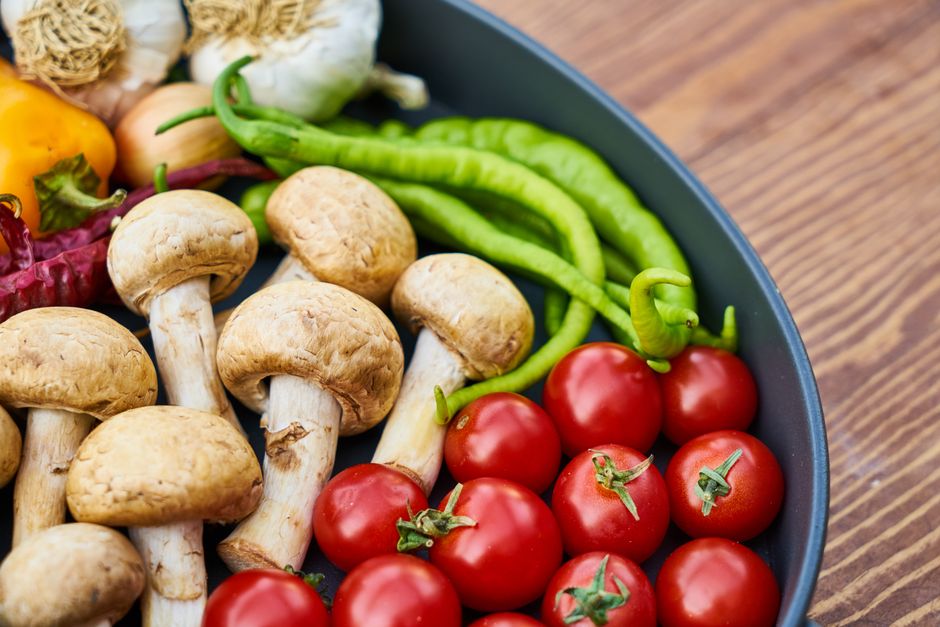
Slice for thickness first and appearance second. A beautiful tian fails when one vegetable is 3mm thick and the next is 1cm thick. The thin pieces disappear. The thick pieces stay firm. I aim for slices between 5mm and 1cm, with very little variation.
Use this five-step slicing method
- Trim the ends from the courgette, yellow squash, and tomatoes. Keep the skins on because they help the slices hold their shape.
- Cut every vegetable into rounds close to 5mm thick. If a tomato is very soft, cut it slightly thicker, around 8mm.
- Lay the slices on a clean towel for 5 minutes. This removes surface moisture from the tomatoes and squash before they enter the dish.
- Salt the tomato slices lightly, then blot them again. Do not salt every vegetable heavily at this stage or the finished tian can taste sharp and wet.
- Stack the slices in repeating groups: tomato, courgette, yellow squash, tomato. This spreads the tomato juice through the pan instead of creating one wet pocket.
Keep the onion separate
Do not put raw onion slices into the same row and expect them to soften on schedule. Sauté the onion with olive oil over medium heat until translucent, then spread it across the bottom of the dish. Add garlic for the final 30 seconds so it perfumes the oil without scorching.
Another common mistake is covering the dish with foil. That traps steam and defeats the whole point of roasting. Leave the tian uncovered. If the tops darken too quickly, place a loose sheet of foil over the dish for the final 10 minutes, then remove it before resting.
Why Does a Tian Turn Watery or Burnt?
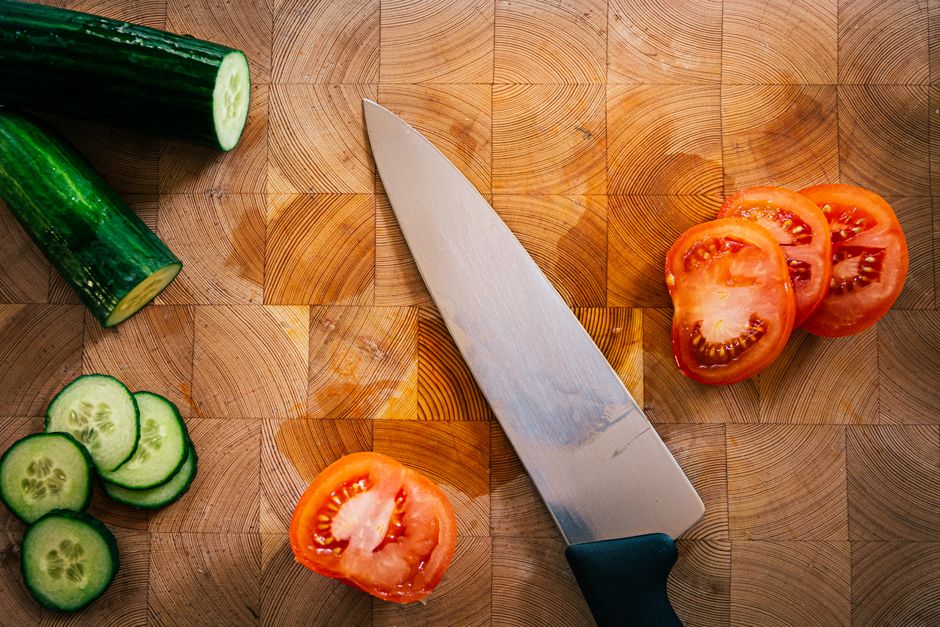
The two complaints sound opposite, but they usually come from the same mistake: poor control of moisture and heat. The questions below cover the failures I see most often.
Why is my summer vegetable tian watery?
Usually the tomatoes were too juicy, the vegetables were packed too tightly, or the dish was covered. Use plum tomatoes instead of large heirlooms, blot the slices before layering, and leave a little space between the rows. Do not add broth. A tian makes its own cooking liquid.
If the dish is already in the oven and liquid is pooling halfway up the vegetables, keep roasting uncovered. At the 45-minute mark, carefully spoon out a few tablespoons of excess liquid. Do not remove all of it; the bottom should stay moist while the top browns.
Why are the vegetables burnt before the onion softens?
The slices are probably too close to the heating element, the oven runs hot, or the oil was not spread evenly. Move the rack to the centre and check the oven with a separate thermometer. Many home ovens are off by 15°C or more. A thin coating of olive oil across the tops also slows scorching.
Use foil only as a rescue tool. Cover the dish loosely after the surface turns golden, not at the start. Starting covered creates steam and prevents browning.
Why is the tian bland even after salting?
Water dilutes seasoning. Salt the onion while it cooks, season the tomatoes lightly before layering, and finish with flaky salt after resting. Add thyme, oregano, or basil for aroma, but do not bury the vegetables under dried herbs. Two garlic cloves and a few tablespoons of good olive oil do more than a large pile of seasoning.
My Exact Method for Crisp Edges and Soft Centers
Do not chase a dramatic crust from the first minute. The vegetables need time to collapse before the tops can brown. I use a two-stage bake because it gives the centre time to soften and the surface time to colour.
The 65-minute method
- Heat the oven to 200°C (180°C fan) and place a rack in the centre.
- Cook one diced onion in 1 tablespoon olive oil with a pinch of salt for 6 to 8 minutes. Add minced garlic for the last 30 seconds.
- Spread the onion in a shallow baking dish. Arrange the vegetable rounds upright in tight rows, alternating colours.
- Drizzle the top with 2 tablespoons olive oil. Sprinkle with thyme, black pepper, and a light pinch of salt.
- Bake uncovered for 40 minutes. Rotate the pan once if your oven has a hot side.
- Check the centre of a courgette slice with a knife. It should offer slight resistance but not crunch.
- Add breadcrumbs if wanted, then roast for another 10 to 15 minutes until the edges are browned.
- Rest for 10 minutes before serving. This lets the juices settle instead of running across the plate.
The one tool worth buying
For occasional cooking, use a sharp chef’s knife and a ruler the first time. That sounds fussy, but measuring one or two slices teaches your eye the right thickness. A mandoline also creates a serious cut risk. Use the hand guard, keep the blade flat, and stop before the last small piece. A knife is slower but safer when you are distracted.
When to Skip Tian and Make Ratatouille Instead
Choose ratatouille instead of tian when you want a saucier, more forgiving meal. Ratatouille handles uneven cuts, overripe tomatoes, and vegetables that need different cooking times. Tian rewards careful slicing and a shallow pan, so it is the wrong choice when speed matters more than presentation.
Tian or ratatouille?
| Choose a tian when… | Choose ratatouille when… |
|---|---|
| You have firm courgette, squash, and plum tomatoes | Your tomatoes are very soft or watery |
| You want browned edges and visible vegetable slices | You want a spoonable sauce for pasta, rice, or bread |
| You can spend about 75 minutes including prep and resting | You need to adapt the recipe while it cooks |
| You are serving it as a side dish or centerpiece | You want leftovers that reheat without drying out |
What to use instead of expensive cookware
You do not need a premium ceramic dish, a mandoline, or a special French cookbook. Spend the saved money on ripe tomatoes and good olive oil.
For the clearest result, use firm produce, 3 millimeter slices, a shallow 23 x 33cm pan, and an uncovered 200°C (180°C fan) bake. That combination fixes most tian failures before they happen.