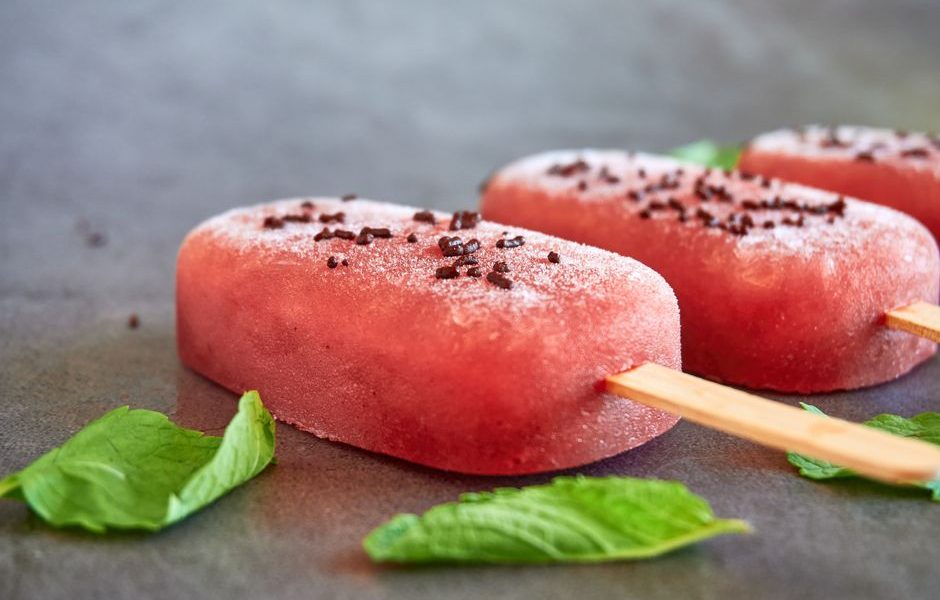
Want homemade coconut ice lollies that freeze creamy instead of turning into hard, crunchy ice? Use full-fat coconut milk, a small amount of coconut cream, enough sugar to soften the frozen texture, and a proper freeze of at least six hours.
Are coconut ice lollies really creamy without dairy?
Yes, but the coconut milk needs enough fat. Water freezes into large ice crystals, while fat and sugar interrupt that crystal growth. That is why a thin coconut drink makes a brittle lolly and a rich coconut mixture gives you a softer bite.
The best texture comes from fat, sugar and less water
Use one 400ml tin of full-fat coconut milk, 200ml of coconut cream, and 75ml of maple syrup for six 80ml moulds. The coconut cream supplies extra fat, while maple syrup stays softer than plain granulated sugar after freezing. A tablespoon of lime juice keeps the flavour fresh, but more than that can make the mixture sharp and watery.
What should the finished mixture taste like?
Before freezing, it should taste slightly sweeter than you want to eat from a glass. Cold temperatures dull sweetness, so a mixture that tastes perfectly balanced at room temperature can taste flat when frozen. Add one teaspoon of vanilla extract and a quarter teaspoon of fine sea salt. The salt will not make the lollies taste salty; it makes the coconut and lime taste clearer.
The clear verdict is simple: full-fat coconut milk plus coconut cream makes the creamiest vegan lolly, while reduced-fat coconut milk produces a lighter but icier result.
What ingredients make homemade coconut ice lollies set smoothly?
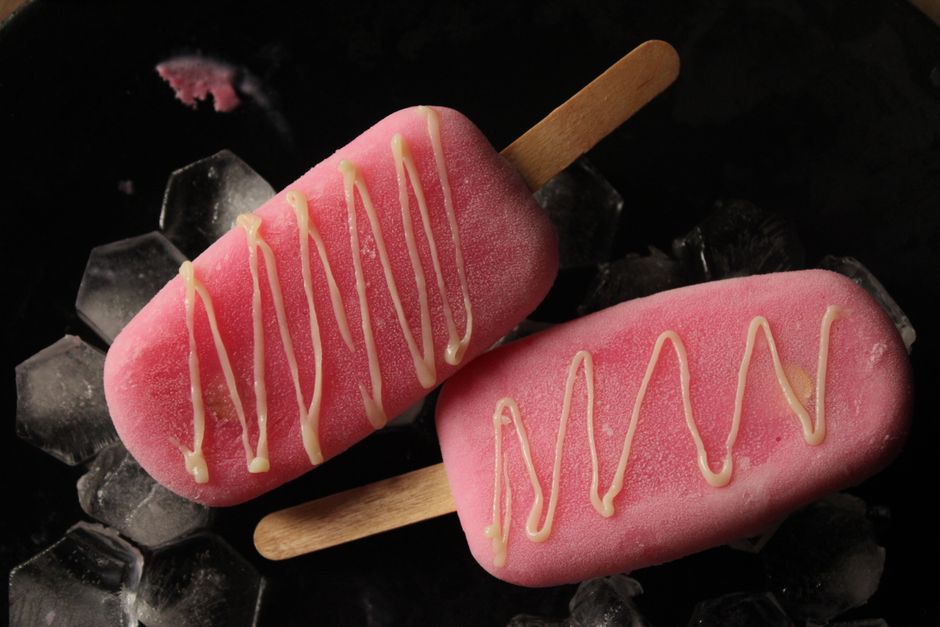
The recipe has only a few ingredients, so each one has a job. Do not replace the rich coconut base with a random carton of coconut drink and expect the same texture. Carton drinks are designed for pouring into coffee or cereal, not for making a dense frozen dessert.
Use this measured ingredient list
- 400ml full-fat coconut milk, shaken well before opening.
- 200ml coconut cream.
- 75ml maple syrup, or 60g icing sugar if maple syrup is unavailable.
- 1 teaspoon vanilla extract.
- 1 tablespoon fresh lime juice.
- Finely grated zest from half a lime.
- ¼ teaspoon fine sea salt.
Why each ingredient matters
Coconut milk gives the mixture its liquid base and gentle coconut flavour. Coconut cream adds fat, which limits the icy texture. Maple syrup adds sweetness without needing to dissolve dry crystals, and its liquid form helps the mixture stay easier to bite. Vanilla rounds out the flavour, lime stops the lollies tasting heavy, and salt balances the sweetness.
Do not add shredded coconut to the main mixture unless you enjoy a rough, chewy texture. The flakes become hard and can collect around the lolly stick. If you want texture, toast two tablespoons of desiccated coconut in a dry frying pan for three minutes, cool it completely, and sprinkle it over the lollies just before serving.
For the smoothest result, blend the mixture for 30 seconds rather than whisking it by hand. That step breaks up coconut cream lumps and spreads the fat through the liquid before it reaches the freezer.
Which coconut milk works best for vegan ice lollies?
Choose a rich tinned coconut product for the frozen base and save thin carton drinks for flavour adjustments. These familiar UK products are not identical, so the label matters more than the word “coconut” on the front.
Compare the useful options
| Product | Best use |
|---|---|
| Organic Coconut Milk | Rich frozen base |
| Koko Dairy Free Original | Lightening the mixture or drinking |
| Coconut No Sugars | Lower-sugar coconut flavour |
| Lakeland Ice Lolly Mould | Portioning and freezing |
How do you make homemade coconut ice lollies step by step?
Set aside 15 minutes for preparation, then allow at least six hours of freezing time. Overnight is better if you want the centres fully firm.
Prepare the coconut mixture
- Shake the coconut milk tin well. Pour it into a small saucepan with the coconut cream and maple syrup.
- Warm the mixture over low heat for three to four minutes. Do not boil it. The goal is to loosen the coconut cream and dissolve the sweetener.
- Remove the pan from the heat. Add vanilla, lime juice, lime zest and salt.
- Pour the mixture into a jug and blend for 30 seconds with a stick blender. If using a jug blender, cool the mixture for five minutes first and leave the lid vent open.
- Taste the mixture. Add another teaspoon of maple syrup if it tastes dull, or another teaspoon of lime juice if it tastes too rich.
Fill, freeze and release
- Place the mould on a flat tray. This makes it easier to move without spilling.
- Pour the mixture into six moulds, leaving about 5mm of space at the top.
- Insert the sticks and freeze for six to eight hours at -18°C or colder.
- To release one lolly, hold the mould under cool-to-warm running water for 10 to 15 seconds. Pull the stick straight up.
- If the lolly still resists, warm the mould for another five seconds. Twisting the stick can snap it or pull it out of the frozen centre.
Do not pour hot mixture into a thin plastic mould. Let it cool until warm but not steaming, then fill the wells. Keep the tray level while carrying it to the freezer, and do not place it beside uncovered fish, onions or strongly scented leftovers.
Why do homemade coconut lollies turn icy or split?
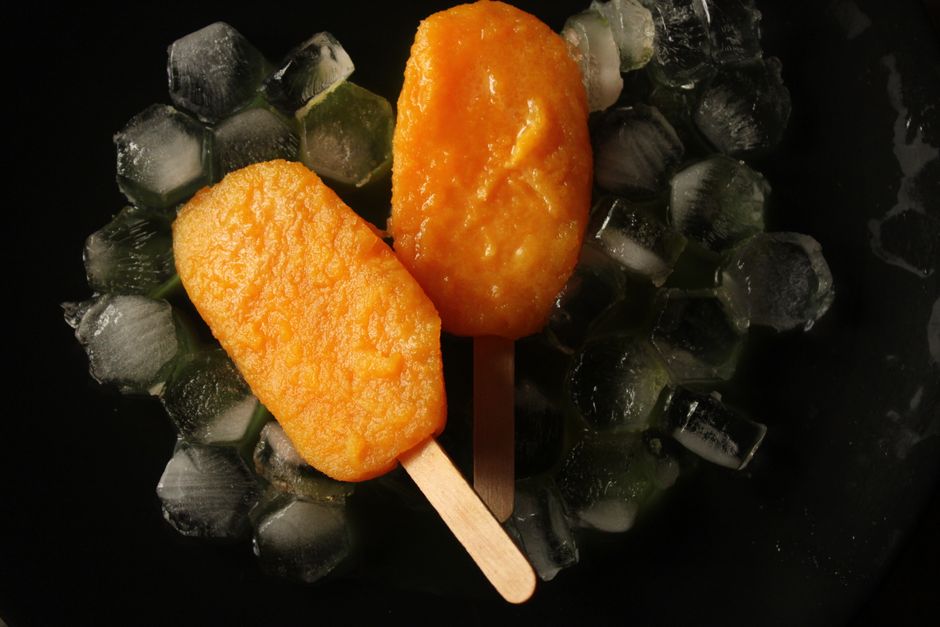
The biggest mistake is using too much watery liquid. A coconut drink can taste delicious but still freeze like a block of flavoured water when it replaces the fat-rich base.
Fix a hard, crunchy texture
- Use full-fat coconut milk instead of reduced-fat coconut milk.
- Add coconut cream, not extra water.
- Keep the maple syrup or icing sugar in the recipe; cutting all sweetener makes the lollies harder.
- Blend the mixture so the fat is spread evenly before freezing.
- Freeze the moulds on a flat shelf and avoid repeated thawing and refreezing.
Fix separation and greasy patches
Coconut fat naturally separates when the mixture sits, especially if the ingredients start at different temperatures. Warm the coconut milk and cream together, blend them thoroughly, and pour immediately. If a greasy layer still appears, the mixture may be too rich for the mould size or may have cooled for too long before filling. A 30-second blend just before pouring usually solves it.
Do not add fresh fruit purée without adjusting the liquid. Strawberries, mangoes and raspberries release water, which creates larger ice crystals. If using fruit, replace 100ml of coconut milk with 100g of thick fruit purée and keep the coconut cream. Strain raspberry seeds if you want a smooth finish.
When not to make this recipe? Skip it if you need lollies ready in one hour, because the centre will remain soft.
How can you customise coconut ice lollies without ruining them?
Can you make chocolate coconut lollies?
Yes. Add 2 tablespoons of unsweetened cocoa powder and increase the maple syrup to 90ml. Blend the cocoa into the warm coconut mixture so it does not form dry pockets. The result tastes like a frozen chocolate pudding and needs the extra sweetness because cocoa is bitter.
Can you add fruit?
Mango gives the most reliable texture because its purée is thick and naturally sweet. Blend 100g ripe mango with the coconut base and reduce the maple syrup to 50ml. Avoid adding a large quantity of fresh berries without reducing another liquid, or the lollies will become icy and split.
Can you make them nut-free and soy-free?
This base is naturally nut-free and soy-free when the ingredient labels confirm no cross-contact warnings that matter to your household. Coconut is a separate allergen from tree nuts in UK labelling, but anyone with a coconut allergy must avoid the recipe. Check the labels on maple syrup, vanilla and mould-release sprays if allergies are involved.
For children, make the lollies slightly smaller if your mould allows it. Whole fruit pieces can become hard, so use smooth purée instead. Never use cocktail sticks as substitutes for proper lolly sticks; they are sharp and difficult for children to hold safely.
How should you serve and store coconut ice lollies?
Serve the lollies after one or two minutes at room temperature, when the outside softens but the centre remains cold. The lime becomes easier to taste at this point, and the texture changes from brittle to creamy. If the lollies are too hard straight from the freezer, that does not mean the recipe failed; it means the surface needs a little time to relax.
Store them without freezer burn
Keep the lollies in their mould for up to one week, covered with the mould lid or a reusable freezer bag. If you remove them, wrap each one in baking paper and place them in an airtight freezer box. Label the box with the date. After two weeks, the flavour can remain safe but the coconut aroma fades and ice crystals become more noticeable.
Serve them with simple toppings
Dip the frozen tips in melted dark chocolate, then scatter over toasted coconut before the chocolate sets. Add lime zest, crushed pistachios or a pinch of flaky salt immediately before eating. Keep toppings dry; wet fruit or syrup melts the surface and makes the lolly drip quickly.
The single most important takeaway is to use full-fat coconut milk, coconut cream and enough sweetener, then freeze the mixture level for at least six hours.