A 200-gram portion of ripe mango flesh contains roughly 28 grams of natural sugar, yet mango sorbet can still freeze into a hard, icy block. That is the frustrating part: the fruit tastes soft and juicy on the cutting board, then turns brittle after several hours in the freezer.
You make a batch for a hot afternoon. The first spoonful is bright and creamy. The next day, the surface looks frosty and the centre resists every scoop. The problem is not usually the mango. It is the balance between water, sugar, acid, and freezing time.
Why Mango Sorbet Turns Icy Instead of Silky
My clear recommendation is to treat mango and lime sorbet as a frozen sugar solution, not as blended fruit. Ripe mango gives the recipe body, colour, and flavour, but it does not automatically provide enough dissolved sugar to keep the mixture soft. Lime juice adds the sharp edge that makes mango taste fresh, while also adding more water. If you pour in lime juice by instinct, the sorbet may taste excellent before freezing and become rough after freezing.
Frozen water is the texture problem
Water forms ice crystals as the mixture freezes. Large crystals create the coarse, crunchy texture associated with failed sorbet. Dissolved sugar lowers the freezing point and ties up some of the water, so the crystals stay smaller. Alcohol can soften a sorbet too, but mango and lime do not need it. A controlled sugar ratio gives a cleaner flavour and keeps the dessert suitable for children.
For a dependable home batch, use 500 grams of mango flesh, 90 to 110 grams of caster sugar, 45 to 60 grams of fresh lime juice, and 1 gram of fine salt. The exact sugar amount depends on the mango. A very ripe Ataulfo mango needs less added sugar than a firm Tommy Atkins mango. Taste the blended base before chilling. It should taste slightly sweeter and slightly more intense than the finished sorbet because freezing dulls both sweetness and aroma.
Acid should sharpen mango, not dominate it
Lime has two jobs. Its acidity cuts through the dense sweetness of mango, and its aroma gives the sorbet a clean finish. Too much lime makes the dessert sour and thin. Start with 45 grams of juice, then add more in 5-gram steps. Freshly grated zest is useful because it adds lime fragrance without adding much water. Use only the green outer skin; the white pith tastes bitter.
Salt also matters. One small gram will not make the sorbet taste salty, but it makes the mango taste fuller and reduces the need for extra sugar. This is the first-principles fix: control the liquid phase before freezing, then freeze it quickly while the mixture is cold.
How to Balance Mango, Lime, and Sugar
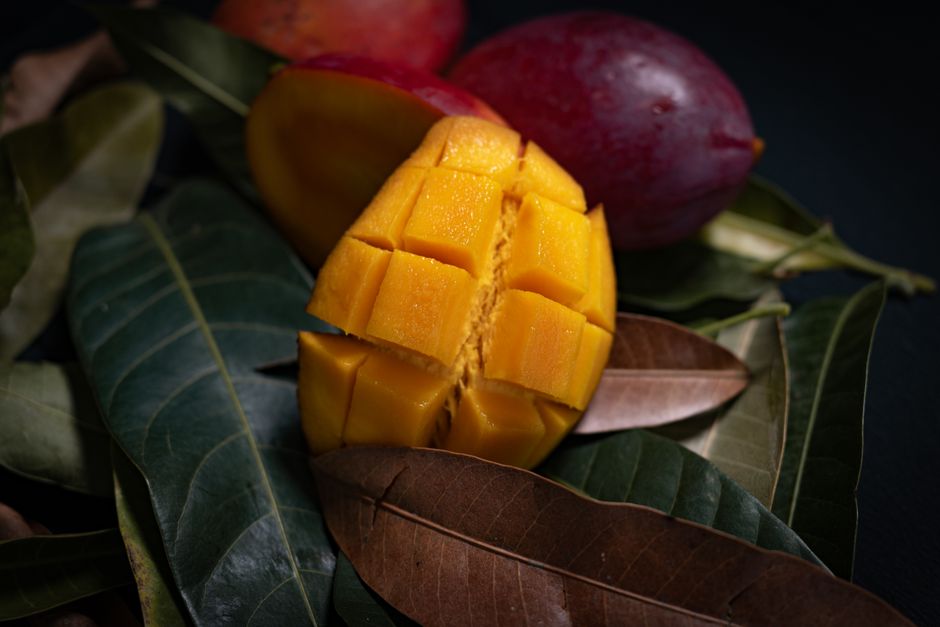
The best batch comes from weighing the ingredients. Cups are convenient for chopped fruit, but mango pieces vary in size and air pockets change the measurement. A kitchen scale removes that guesswork.
Use this five-step base
- Prepare the mango. Peel and dice enough ripe mango to produce 500 grams of flesh. The fruit should yield easily when pressed but should not smell fermented or show gray, watery patches.
- Make a quick syrup. Warm 100 grams of sugar with 80 grams of water in a small pan. Stir only until the sugar dissolves, then remove the pan from the heat. Do not boil the syrup for several minutes; evaporation changes the ratio.
- Blend until completely smooth. Add the mango, syrup, 45 grams of fresh lime juice, lime zest, and 1 gram of salt to a blender. Blend for 60 to 90 seconds. Scrape down the sides once. A smooth base freezes more evenly than a chunky one.
- Chill the mixture. Pour the base into a shallow container and refrigerate it for at least 3 hours. The target is a very cold liquid, ideally below 4 degrees Celsius. A warm base takes longer to freeze and produces larger crystals.
- Churn and harden. Churn the cold mixture until it resembles soft serve, usually 20 to 30 minutes in a domestic machine. Transfer it to a wide, lidded container and freeze for 2 to 4 hours before serving.
Adjust the recipe before it freezes
Taste the chilled base, not just the warm syrup. If it tastes flat, add 5 grams of lime juice or a pinch more salt. If it tastes sharply sour, add 10 grams of sugar and blend again. If it tastes sweet but watery, add more mango puree rather than more sugar. Extra sugar can make the sorbet soft and sticky, while extra fruit adds flavour and body.
A refractometer can measure sugar concentration, but most home cooks do not need one. The useful kitchen test is simple: the base should taste vivid, sweet, and a little too strong. Once frozen, those flavours will seem calmer. Keep the finished sorbet covered with parchment pressed against the surface, then seal the lid. This limits frost and keeps the top from drying out.
Why Is Mango Sorbet Too Hard, Tart, or Watery?
Mango and lime sorbet usually fails for a small number of predictable reasons. Fix the base first; changing the machine will not repair an unbalanced formula.
Why did the sorbet freeze rock-hard?
The base probably contains too much water, too little sugar, or both. This often happens when cooks add ice, dilute the lime juice, or use mango that is ripe in colour but bland and watery inside. Let the container sit at room temperature for 10 to 15 minutes before scooping, but do not thaw and refreeze the entire batch repeatedly. For the next batch, use riper fruit, keep the syrup measured, and freeze the sorbet in a shallow container rather than a deep tub.
Why does it taste too sour?
Lime juice varies widely. Two limes of the same size can produce different amounts of juice and different levels of acidity. Add lime gradually instead of following a fixed count of limes. If the finished sorbet is already tart, blend a small portion with 10 to 15 grams of sugar syrup and fold it back into the rest. Avoid adding plain water, which fixes the sourness by making the texture worse.
Why is the texture watery or icy?
Watery sorbet often comes from under-ripe mango, an overheated blender base, slow freezing, or a container with too much empty space. Chill the blended mixture before churning, use a wide container, and press parchment onto the surface. Do not leave the base in the refrigerator for several days; fresh fruit enzymes and air exposure can weaken the flavour. If you only make sorbet once or twice a year, skip buying a dedicated machine and use the shallow-tray method. An appliance earns its space when you want regular batches, not when it will sit in a cupboard between summer holidays.
There is also a serving mistake: scooping straight from a deep freezer at minus 18 degrees Celsius. Sorbet is at its hardest immediately after long storage. Give it a short tempering period, then use a warm, dry scoop. A wet scoop adds a film of water that refreezes on the surface and creates more ice.
The Simple Verdict for Better Mango and Lime Sorbet
The recipe to keep
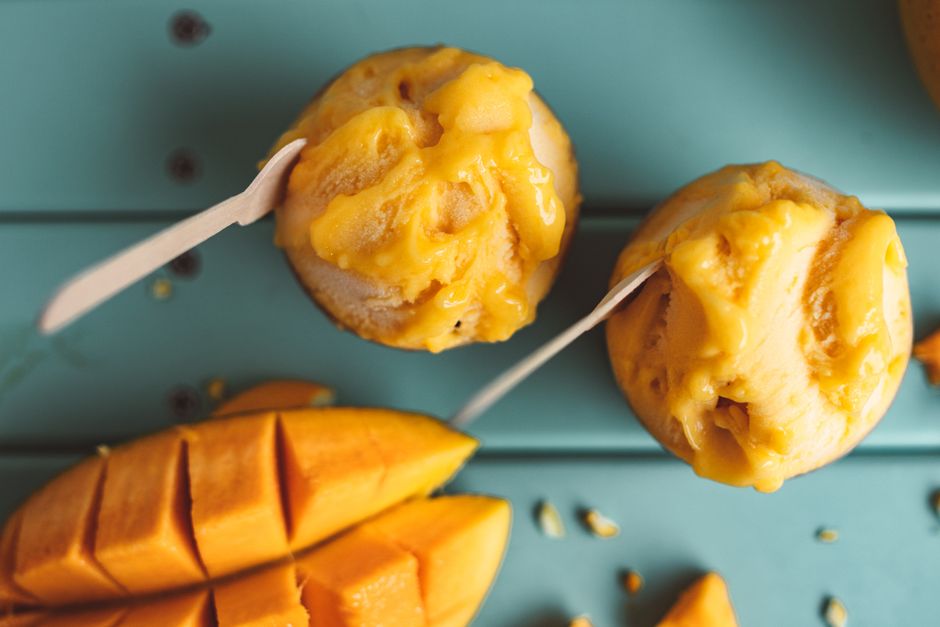
For the smoothest everyday batch, use 500 grams of ripe mango, 100 grams of sugar, 80 grams of water, 45 grams of lime juice, lime zest, and 1 gram of salt. Chill the blended base thoroughly, churn it quickly, and store it in a shallow covered container; this combination gives mango enough body, sugar enough softness, and lime enough brightness without turning the dessert sharp or watery.
The choice that matters most
A machine can improve the result, but the winning decision happens before freezing: choose ripe fruit, weigh the ingredients, and taste the cold base before you churn it. Once that habit becomes routine, mango and lime sorbet stops being a gamble and becomes a flexible template for other fruit combinations, from passion fruit and orange to peach and ginger as home frozen desserts keep moving toward brighter, simpler flavours.