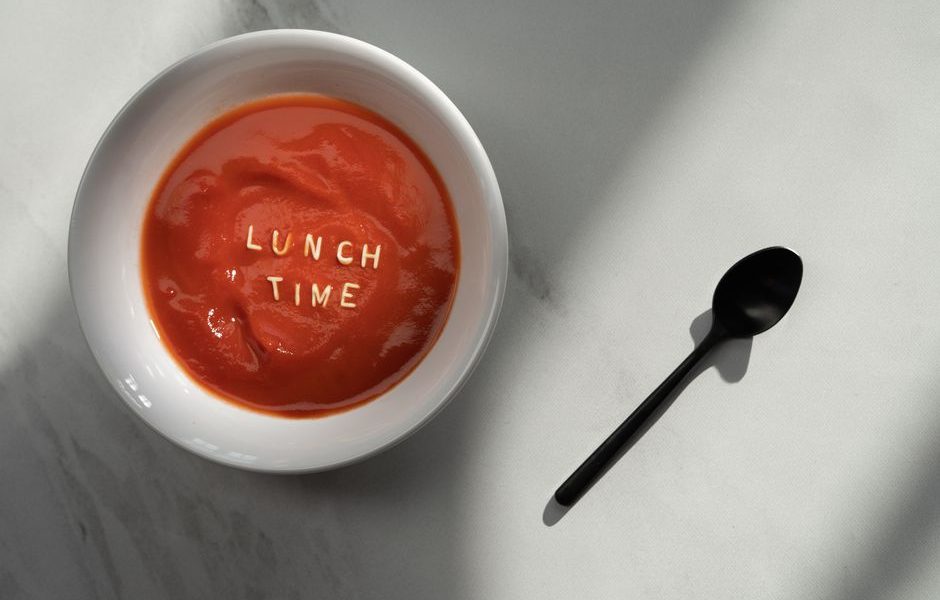
The best chilled tomato gazpacho starts with ripe tomatoes, enough salt, and a short rest before serving. You do not need an expensive machine, a long ingredient list, or a complicated garnish. For the brightest flavour, use fresh tomatoes at peak ripeness, blend them with cucumber, pepper, sherry vinegar, olive oil, and stale bread, then chill the soup for at least two hours. The result should taste cool, savoury, lightly sharp, and unmistakably like tomato.
What Chilled Tomato Gazpacho Should Taste Like
Freshness matters more than heat
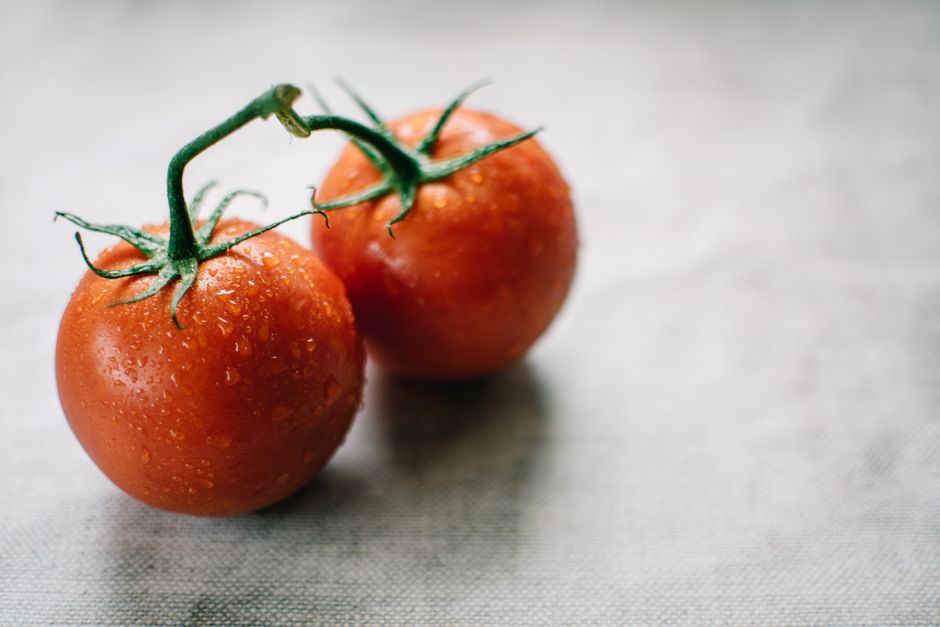
Gazpacho is a raw vegetable soup, so cooking cannot rescue bland ingredients. Heat can soften an underripe tomato and build flavour in a stew, but chilled soup exposes every weakness. A pale tomato produces a thin, grassy soup. An overripe tomato can make the mixture taste fermented or watery. Choose tomatoes that smell sweet at the stem, feel heavy for their size, and yield slightly when pressed.
The first principle is simple: gazpacho exists to turn peak-season produce into a complete cold meal without a stove. The soup needs enough liquid to pour, enough bread or vegetable fibre to hold an emulsion, enough acid to sharpen the tomato, and enough fat to carry aroma across the tongue. Remove any one of those parts and the bowl becomes flat, thin, harsh, or oily.
Balance beats a long ingredient list
A reliable starting ratio is 2 pounds of ripe tomatoes, 1 small cucumber, 1 red bell pepper, 1 small garlic clove, 2 tablespoons of sherry vinegar, 4 tablespoons of olive oil, 1 teaspoon of kosher salt, and 2 ounces of stale bread. The tomato should remain the dominant flavour. Cucumber adds coolness, pepper adds sweetness, bread adds body, and vinegar keeps the finish lively.
Serve the soup cold but not icy. Around 5 to 7°C gives you a clean texture and enough aroma. If the soup sits in a refrigerator overnight, taste it again before serving because cold dulls salt and acidity. The strongest verdict is this: a good gazpacho tastes like a ripe tomato with better structure, not like a blended salad.
How to Choose Tomatoes for Gazpacho
Tomato choice changes the soup more than any blender setting. Fresh summer tomatoes give the most vivid flavour, but canned tomatoes can save a batch when supermarket produce looks firm, pale, or scentless. Use canned tomatoes for a smooth, dependable soup in winter. Use fresh tomatoes when sweetness and fragrance matter most.
Fresh and canned options compared
| Tomato option | Best quality signal | Best use |
|---|---|---|
| Ripe vine tomatoes | Sweet smell and soft shoulders | Bright summer gazpacho |
| Campari tomatoes | Small size with deep red colour | Small batches with concentrated flavour |
| Mutti Finely Chopped Tomatoes | Short ingredient list and clean tomato aroma | Easy blended gazpacho |
| Passata (strained tomatoes) | Thick, smooth texture | Seed-free soup with no straining |
| Bianco DiNapoli Whole Peeled Tomatoes | Whole fruit with rich tomato colour | Deep flavour when fresh tomatoes disappoint |
When canned tomatoes are the better buy
Choose canned tomatoes when you need consistency, when tomatoes are out of season, or when you want a smoother soup with less chopping. Drain only if the tomatoes seem unusually watery. The liquid inside the can contains tomato flavour, so discarding it can leave the soup too thick and force you to add plain water.
For fresh tomatoes, buy about 25 percent more than the recipe weight if the fruit contains many seeds or a large watery core. Roma tomatoes can work, but they often need help from cucumber or a little extra olive oil because their flavour is less juicy. For summer, ripe local tomatoes beat every packaged option.
How to Make Chilled Tomato Gazpacho Without Losing Flavour
Gazpacho rewards restraint. The vegetables should stay raw, the garlic should remain in the background, and the soup should spend enough time resting for the vinegar and salt to spread through the mixture.
Use this six-step method
- Wash and roughly chop 2 pounds of ripe tomatoes, 1 small cucumber, and 1 red bell pepper. Remove the pepper stem and seeds.
- Soak 2 ounces of stale white bread in a few tablespoons of the tomato juice for 5 minutes. Squeeze it lightly, but do not make it completely dry.
- Add the vegetables, bread, 1 small garlic clove, 2 tablespoons of sherry vinegar, and 1 teaspoon of kosher salt to a blender.
- Blend on low speed first, then increase to high for 60 to 90 seconds. Pour in 4 tablespoons of olive oil in a thin stream while the blender runs.
- Taste the soup before chilling. Add salt if the tomato tastes dull, vinegar if the flavour feels heavy, or a spoonful of water if the texture is too thick.
- Cover and chill for at least 2 hours. Stir before serving and finish with olive oil, diced cucumber, or a few drops of vinegar.
Why the resting time matters
Freshly blended gazpacho often tastes rough because the salt has not reached the centre of the vegetable pulp. The vinegar may also seem too sharp at first. Chilling gives the bread time to swell, the oil time to disperse, and the flavours time to settle. After two hours, the soup usually tastes rounder and less aggressively garlicky.
Do not add ice cubes to cool the soup faster. Ice dilutes the tomato and creates a thin texture. Chill the vegetables before blending if you are in a hurry, then give the finished soup at least 30 minutes in the refrigerator. A cold bowl also helps the soup stay refreshing at the table.
Why Does Gazpacho Turn Watery, Bitter, or Bland?
Why is my gazpacho watery?
Watery gazpacho usually comes from watery tomatoes, too much cucumber, or adding water before the vegetables release their own liquid. Salt the chopped vegetables and let them sit for 10 minutes before blending. If the finished soup is still thin, add a small piece of stale bread and blend again. Chilling will thicken the soup slightly, but it will not repair a badly diluted mixture.
Why does it taste bitter or harsh?
Too much raw garlic creates a hot, bitter finish that becomes stronger as the soup rests. Start with half a small clove and add more only after chilling. Green pepper membranes can add bitterness as well, so remove the white ribs. Extra-virgin olive oil can taste peppery, which is pleasant in small amounts but harsh when poured in heavily. Use two tablespoons first, taste, and add the remaining oil only if the soup needs more body.
How long does chilled gazpacho last?
Keep gazpacho in a sealed container in the refrigerator and eat it within three days. The flavour often improves during the first 24 hours, then the raw garlic and cucumber begin to dominate. Stir before each serving because oil and vegetable solids separate naturally. Do not freeze the finished soup if you want the original fresh texture; thawed cucumber becomes watery and soft.
The best fix is usually subtraction. Remove excess water, reduce garlic, and stop adding ingredients that hide the tomato. A cold soup should taste clean rather than crowded.
Common Gazpacho Mistakes to Avoid
Most disappointing gazpacho comes from a few small decisions made too early. Correct these before you change the recipe.
- Using cold but flavourless tomatoes: Refrigerator temperature cannot create sweetness. Let tomatoes ripen at room temperature before blending.
- Adding too much vinegar: Vinegar should sharpen the soup, not announce itself first. Start with two tablespoons for 2 pounds of tomatoes.
- Blending olive oil too aggressively: High-speed blending can make some oils taste bitter. Add oil slowly after the vegetables have started to break down.
- Skipping the taste after chilling: Cold reduces the impression of salt and acidity. Adjust the seasoning just before serving.
- Serving it at refrigerator temperature: A nearly frozen soup has little aroma. Let it sit for 5 to 10 minutes before eating.
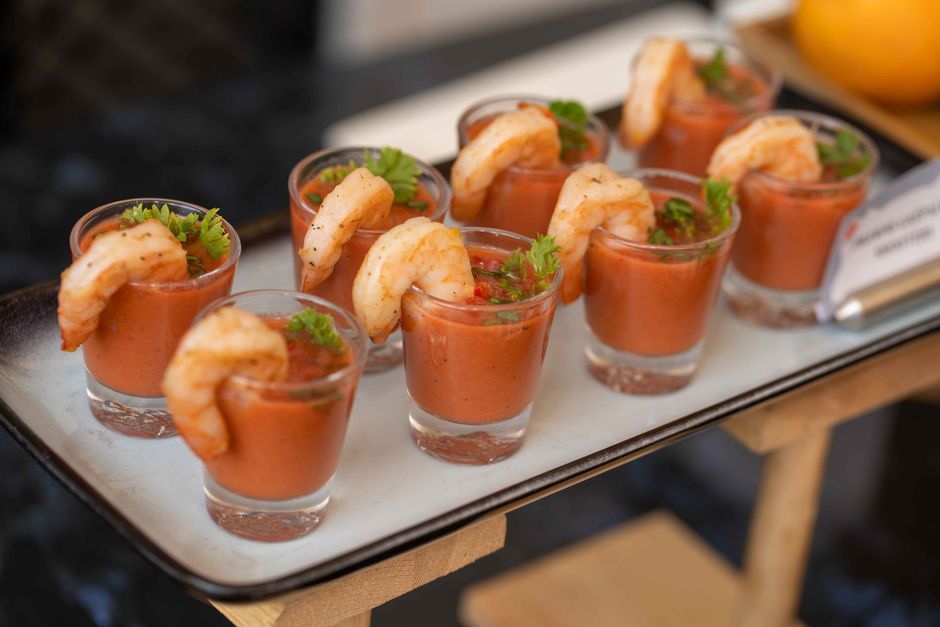
- Adding every possible garnish: Croutons, egg, herbs, onion, and seafood can turn a clean soup into a crowded bowl. Pick one or two toppings.
When not to make classic gazpacho
Do not make raw gazpacho when your tomatoes are hard, pale, and flavourless. Make a roasted tomato soup instead, or wait for better produce. Roasting concentrates sweetness and gives you a way to build flavour from weak tomatoes, but it creates a warmer, deeper soup rather than the crisp character of classic gazpacho.
When to skip bread
Skip bread if you want a lighter soup, if you are serving it with a substantial meal, or if you are using thick strained tomatoes. Without bread, the soup will feel thinner and more like a drinkable vegetable purée. Add a little less vinegar and blend in olive oil slowly to keep the texture from separating.
The mistake worth avoiding above all others is chasing restaurant smoothness when the ingredients lack flavour. Texture can be improved with blending or straining. Tomato quality cannot.