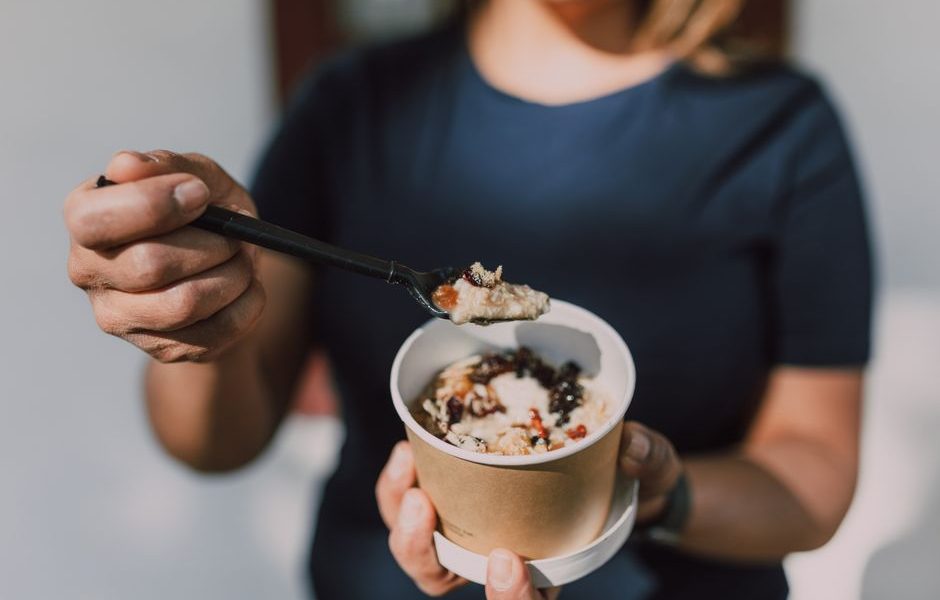
The alarm goes off, the kitchen is cold, and a smoothie suddenly sounds like a bad idea. High-protein vegan baked oats solve that problem with a warm, spoonable breakfast that can be mixed in one bowl and baked before you finish getting dressed. The key is not adding a random scoop of powder to ordinary oatmeal. You need enough liquid, a reliable protein source, and a bake time that leaves the centre soft rather than wet.
Why baked oats can deliver a real protein breakfast
Baked oats exist because they turn a thin, fast-cooking porridge into a portable meal with more staying power. Rolled oats provide slow-digesting carbohydrate and fibre, but a plain bowl often lands near 6 grams of protein. That is not a poor breakfast, yet it may leave a hungry person searching for a snack before lunch. The high-protein version fixes the gap by combining oats with a concentrated plant protein and a liquid that contributes protein instead of only sweetness.
Start with a target, not a scoop
A useful single-serving target is 20 to 30 grams of protein and roughly 350 to 500 calories, depending on the rest of the day. 50g of rolled oats contributes about 5 grams. 120ml of unsweetened soy milk adds about 4 grams, and two tablespoons of chia or ground flax add roughly 2 to 4 grams. The remaining protein can come from powder, silken tofu, or blended beans. This approach gives the dish a measurable job: it should keep you full, not simply taste like cake.
Balance protein with starch and liquid
Protein powders absorb water quickly. Add too much and the oats turn dry, chalky, or rubbery. Add too little liquid and the edges set before the middle hydrates. A dependable starting ratio is 50g oats, 120ml plant milk, one-half mashed banana, and one serving of protein powder. Add another two tablespoons of milk if the batter looks stiff after mixing. The finished mixture should resemble thick pancake batter before it goes into the oven.
The cold-morning formula that works consistently
My strongest recommendation is to bake a single portion in an 20cm square dish or a 300ml ramekin at 180°C (160°C fan). The smaller vessel gives the oats enough depth to stay tender while the top browns. Use the steps below as a base formula, then change the fruit or spices after the texture is reliable.
Five steps for one warm serving
- Mash one-half of a ripe banana in a bowl. The banana adds sweetness and moisture, so do not replace it with a dry sweetener alone.
- Stir in 50g rolled oats, 120ml unsweetened soy or pea milk, one serving of plant protein powder, one tablespoon ground flax, one-half teaspoon baking powder, one-half teaspoon cinnamon, and a pinch of salt.
- Rest the batter for five minutes. Oats and flax need that short pause to absorb liquid. If the batter becomes spoon-thick rather than pourable, add one or two tablespoons of milk.
- Fold in about 40g of berries or diced apple. Keep the fruit amount modest; a large pile releases water and can leave the centre gummy.
- Bake for 20 to 25 minutes, then cool for five minutes. The edges should look set while the centre still moves slightly when the dish is tapped.
Bake by texture, not the clock
Ovens vary, and ramekins cook faster than deep bowls. Pull the oats when the surface is dry and lightly browned but the centre remains soft. A toothpick should come out with a few moist crumbs, not completely clean. If you want a firmer square for meal prep, use a shallow dish and bake for 25 to 30 minutes. Refrigerated leftovers keep for about three days. Reheat with one tablespoon of milk so the protein does not tighten into a dry layer.
Why vegan baked oats fail and how to fix them
Most disappointing baked oats fail in the mixing bowl, not the oven. The recipe is usually asked to carry too much dry protein, too much fruit, or too little liquid. Fix the cause instead of adding extra baking time.
Use these corrections before changing the recipe
- Dry and crumbly: Add two tablespoons of plant milk and rest the batter for five minutes before baking. Protein powder continues to absorb liquid after the first stir.
- Gummy centre: Reduce watery fruit, use rolled oats instead of instant oats, and bake in a wider dish. A deep ramekin traps steam in the middle.
- Chalky flavour: Lower the powder slightly and add cinnamon, cocoa, or a small pinch of salt. Strong vanilla flavour does not hide every plant-protein aftertaste.
- Flat and heavy: Check that the baking powder is fresh and measure it instead of guessing. Two teaspoons can make one serving taste metallic, while one-half teaspoon gives gentle lift.
- Burned edges: Cover the dish loosely with foil for the final five minutes or lower the oven to 160°C (140°C fan). Small ceramic dishes hold heat aggressively.
- Breakfast that does not satisfy: Add a tablespoon of nut butter or a side of fruit. Protein alone does not replace enough total energy for a demanding morning.
When not to add protein powder
Skip the powder when you dislike its taste, have a very sensitive stomach, or already serve the oats with soy yogurt, tofu, or a protein-rich side. A whole-food version can still work: use soy milk, chia, hemp hearts, and a spoonful of peanut butter, then accept that the total protein will be lower. The smart choice is the breakfast you will actually eat, not the one with the most impressive label.
Which version should you make on a cold morning?
Which powder is the best fit for baked oats?
Choose an unflavoured pea protein if you want one dependable, unsweetened base for different flavours. Its 24-gram serving gives the recipe a clear protein boost, and the lack of strong flavour makes it easier to control sweetness. For a lower-sugar profile, choose Orgain Organic Unsweetened Protein Powder. For sweeter chocolate or vanilla oats and a higher budget, Vega Protein + Nutrition is the easiest flavoured option.
What should you make without protein powder?
Use 50g rolled oats, 180ml unsweetened soy milk, one tablespoon chia, one tablespoon hemp hearts, one-half banana, cinnamon, and a pinch of salt. The texture will be softer and the protein total lower, but the recipe will taste more like traditional baked oatmeal. Add soy yogurt after baking if you want more protein without putting extra powder into the batter.
What is the final recommendation?
For a cold morning when you need warmth, convenience, and a measurable protein target, make the single-serving formula with rolled oats, unsweetened soy milk, banana, and an unflavoured pea protein. Bake it at 180°C (160°C fan) until the edges set and the centre stays soft. That combination gives the best balance of protein, texture, price, and flavour control.