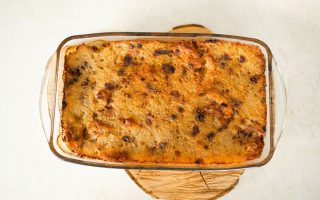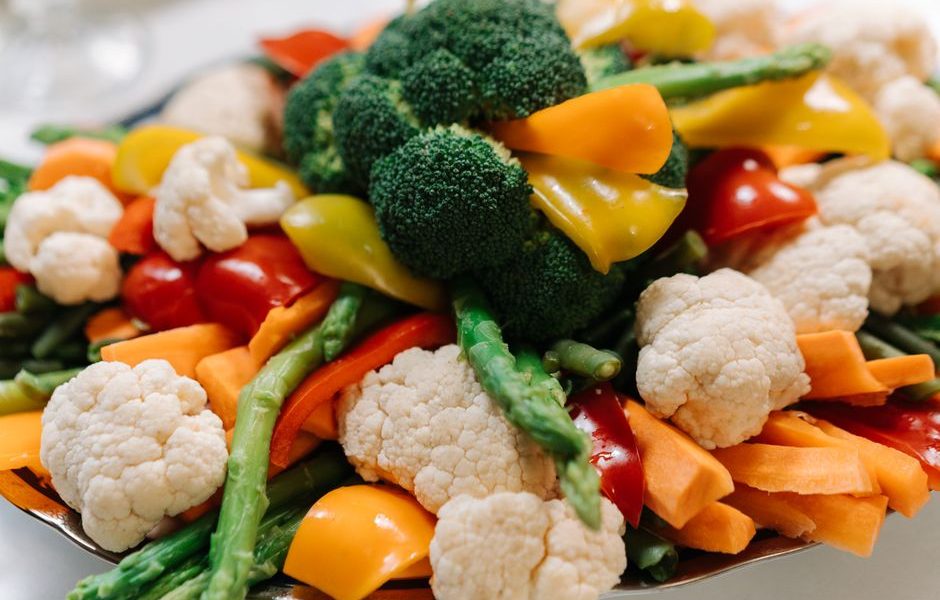
You know the dinner: it is 6:15 p.m., the fridge holds half a cauliflower, one tired lemon, and a can of chickpeas, and nobody wants another pot to wash. This traybake turns those modest ingredients into a complete meal with browned florets, crisp chickpeas, tender onions, and a sharp lemon dressing.
The recipe serves four as a light main course or six as a side dish. It takes about 15 minutes to prepare and 35 to 40 minutes to roast. The key decision is simple: use a large metal baking sheet and leave space around the vegetables. Crowding creates steam. Space creates colour.
Why cauliflower and chickpeas work in one tray
Cauliflower and chickpeas solve different cooking problems. Cauliflower contains plenty of water, so high heat drives off moisture and concentrates its mild, nutty flavour. Chickpeas bring starch, protein, and a firm outer skin that can turn crisp after drying. Roast them together and the cauliflower absorbs the seasoned oil while the chickpeas add bite.
This is also why the dish feels more satisfying than a tray of vegetables alone. A serving combines roasted produce with a pantry staple that adds substance without requiring a separate grain or sauce. The lemon and garlic keep the result bright rather than heavy.
The first-principles balance
A good traybake needs four things: dry ingredients, enough fat to carry seasoning, strong heat, and a finishing element with acid. Remove any one of those and the result changes. Wet vegetables stay soft. Too little oil leaves spices dusty and patchy. Low heat cooks the centre before the edges brown. No acid makes the finished dish taste flat.
That balance gives this recipe a reliable structure. Use 220°C conventional heat or 200°C fan heat. Roast the cauliflower first for 15 minutes, then add the chickpeas and onion. The staggered timing protects the chickpeas from becoming too hard while giving the cauliflower enough time to colour.
What counts as a complete meal
Serve the traybake with warm flatbread, cooked couscous, or a spoonful of plain yogurt. For a vegan plate, use tahini dressing instead. The tray itself remains the anchor, so the extra component should add moisture or energy rather than another complicated cooking job.
My clear verdict: this is strongest as a weeknight vegetarian main when you add one cool or creamy element at the table. It is still good alone, but the contrast makes the roasted edges taste more vivid.
Ingredients, quantities, and a realistic budget
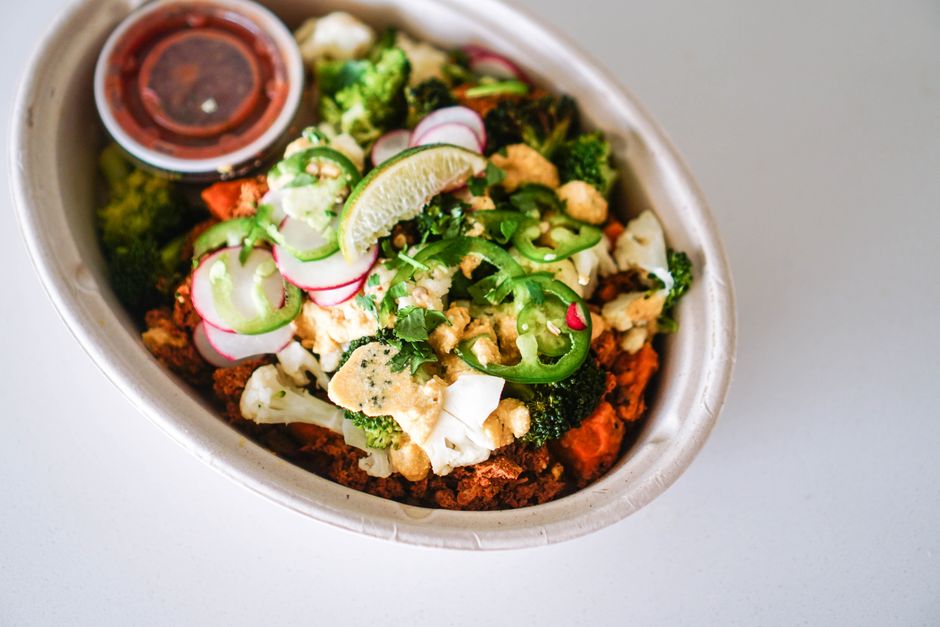
The ingredient list is short, but measurements matter. A medium cauliflower weighs about 700 to 900 grams before trimming. If yours is much smaller, reduce the roasting time by five minutes rather than adding another vegetable to the same tray. The figures below use common United States package sizes and sample shelf prices. Store, city, and state prices vary, so treat them as a planning guide rather than a promise.
| Ingredient | Amount | Useful specification |
|---|---|---|
| Cauliflower | 1 medium head | 700 to 900 g, cut into 4 cm florets |
| Chickpeas | 1 can | 15 oz or 425 g, drained and dried |
| Red onion | 1 medium | Cut into 2 cm wedges |
| Extra-virgin olive oil | 3 tablespoons | California Olive Ranch is a common example |
| Smoked paprika | 1 teaspoon | McCormick Smoked Paprika works well |
| Ground cumin | 1 teaspoon | Fresh, fragrant cumin gives better flavour |
| Garlic | 2 cloves | Finely grated or minced |
| Lemon | 1 | Zest plus 2 tablespoons juice |
| Salt | 1 teaspoon, divided | Morton kosher salt has a coarse texture |
Mix the seasoning before it meets the vegetables
In a small bowl, combine 2 tablespoons of olive oil, the paprika, cumin, half the salt, black pepper, and the grated garlic. Add the remaining tablespoon of oil to the chickpeas after they have dried. This split keeps the spices from collecting in one place and helps the chickpeas brown evenly.
Optional finishing items
Choose one or two: 2 tablespoons of tahini, 3 tablespoons of plain yogurt, a handful of chopped parsley, 30 grams of crumbled feta, or a pinch of chili flakes. These are finishing choices rather than core requirements. The traybake already has enough seasoning to stand on its own.
How to roast cauliflower and chickpeas for crisp edges
Use a heavy metal baking tray, ideally about 33 by 45 cm. Dark metal browns faster than pale aluminum, so watch the edges closely during the final 10 minutes. Do not line the pan with a thick silicone mat; it can slow browning underneath the vegetables.
- Heat the oven to 220°C conventional or 200°C fan. Place the empty baking tray inside while the oven heats. A hot pan gives the cauliflower an immediate sear.
- Cut the cauliflower into evenly sized florets. Keep small leaves attached because they char and crisp. Slice the red onion into wedges that are thick enough to survive 35 minutes of heat.
- Drain the chickpeas in a colander. Rinse away the can liquid, then spread them on a clean towel. Rub gently until the skins feel dry. Remove loose skins only if they come away easily.
- Toss the cauliflower and onion with the spice mixture. Carefully remove the hot pan, spread the vegetables in one layer, and leave at least 1 cm between the largest pieces.
- Roast for 15 minutes. Turn the cauliflower and rotate the pan. The onion should begin to soften, but it should not be deeply browned yet.
- Toss the dried chickpeas with the remaining oil and a pinch of salt. Add them to the tray in the open spaces. Roast for another 18 to 22 minutes.
- Check the smallest cauliflower pieces first. They should have dark golden edges and a tender centre. Shake the pan once during the final 10 minutes, then remove it when the chickpeas feel firm and lightly crisp.
- Rest for 5 minutes. Stir the lemon juice over the hot tray, then add lemon zest, herbs, yogurt, tahini, or feta at the table.
The finished vegetables should sit on the pan, not in a pool of oil. If you see liquid collecting after the first 15 minutes, move the pieces farther apart on a second pan. That small adjustment usually saves the texture.
The doneness test that matters
Colour is useful, but the cauliflower should also yield when pierced with a fork. Chickpeas will firm as they cool, so do not wait for them to become hard in the oven. A crisp shell with a creamy centre is the target. If the centres have dried out, the tray stayed in the oven too long or the chickpeas were too small.
Why traybakes turn soggy, dry, or bitter
The most common failure is not bad seasoning. It is excess moisture. A rinsed but wet chickpea releases steam, and steam softens every ingredient around it. The fix is mechanical: dry the chickpeas, preheat the pan, and leave room between pieces.
When the cauliflower stays pale
Check the pan size first. One crowded 30 cm pan cannot brown the same volume as two larger trays. Next, check the oven setting. Fan heat at 200°C usually gives a stronger dry roast than conventional heat at the same number. Finally, avoid adding lemon juice before roasting. Acid and water belong at the finish.
When the chickpeas become tough
Some canned chickpeas have a thin skin and a soft centre; others are firmer. If the chickpeas are already very firm after draining, add them halfway through the roast rather than at the beginning. Do not chase maximum crunch. A hard chickpea can make the dish unpleasant even when the cauliflower looks perfect.
When the spices taste bitter
Smoked paprika and cumin can burn when they sit directly on a dry pan. Coat the vegetables first, and keep the oven at the stated temperature. Garlic also turns bitter when minced too finely and roasted for the full cooking time. Grated garlic mixed into oil works better than dry garlic scattered over the tray.
One mistake deserves a firm warning: do not use a deep roasting dish for this recipe. Its tall sides trap steam and block direct heat. Use a shallow baking tray instead. If you need to double the recipe, divide it across two trays and rotate them between oven racks halfway through cooking.