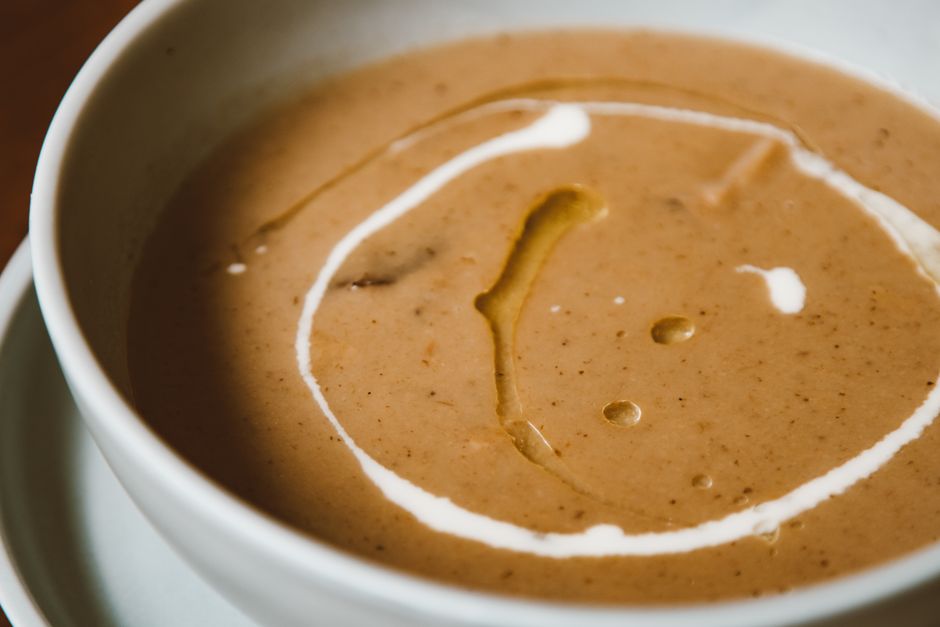
A parsnip contains about 75 calories per 100 grams, compared with roughly 41 for a carrot. That extra starch is the useful part: it gives this vegan soup body and sweetness without cream. The best version tastes warm, savoury, lightly fruity, and fresh at the finish. It should never taste like baby food or apple sauce.
Why parsnip and apple soup turns creamy without cream
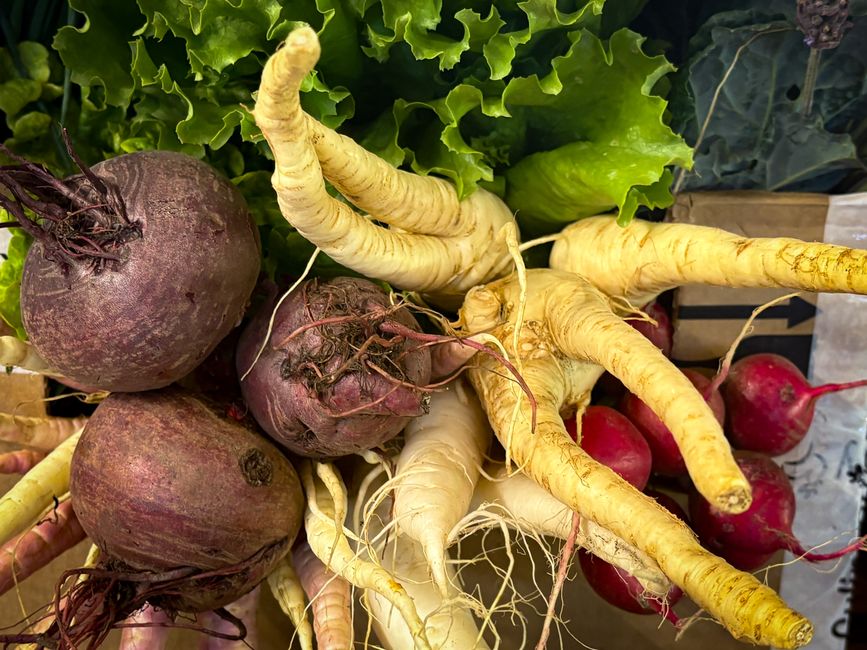
Parsnips bring starch, sweetness, and body
The key cooking principle is concentration. Parsnips contain more starch than carrots, so their cells soften and release a naturally creamy texture as they simmer; roasting or sautéing them first also drives off water and builds browned, nutty notes that stop the finished soup from tasting flat.
Apples should sharpen the soup, not dominate it
Use two medium tart apples, such as Granny Smith or Braeburn, for a 1.5-litre batch, because their acidity cuts through the parsnip’s sweetness while their fruit flavour stays in the background, and add lemon juice only after blending so you can adjust the final balance instead of making the whole pot sour.
The spice mix has one job: make the vegetables taste deeper without turning the soup into curry or dessert. Ground cumin gives an earthy base, coriander adds citrusy warmth, black pepper brings bite, and a small pinch of cayenne keeps the sweetness in check. Cinnamon can work, but use no more than one-eighth teaspoon or it will pull the soup toward pie filling.
My verdict is simple: cook the parsnips until completely tender, use a tart apple, and finish with acid. Those three choices matter more than an expensive stock, a large spice collection, or a decorative garnish.
Which ingredients make the soup taste balanced?
The best 1.5-litre formula
| Ingredient | Amount | What it does | Best choice |
|---|---|---|---|
| Parsnips | 700 g, peeled and sliced | Sweetness and creamy body | Firm, pale roots without soft spots |
| Tart apples | 2 medium, about 300 g | Fruit flavour and acidity | Granny Smith or Braeburn |
| Yellow onion | 1 medium, diced | Savoury depth | Cook until soft, not dark brown |
| Vegetable stock | 750 ml | Liquid and seasoning | Low-sodium stock |
| Unsweetened oat milk | 150 ml | Roundness without dairy | Plain, unsweetened oat or soy milk |
| Spices | 1 tsp cumin, 1/2 tsp coriander, pinch cayenne | Warmth and contrast | Freshly opened ground spices |
Where branded pantry items help
Use it carefully: concentrated bases can make a delicate soup too salty before the apples and lemon have a chance to balance it. For plant milk, Oatly Barista Edition comes in a 32-ounce carton and has a rich texture, but it contains added sugar, so my clear pick for this recipe is an unsweetened oat milk instead.
Do not buy specialty ingredients just to make this soup. A supermarket vegetable stock, ordinary olive oil, and table salt will work. The money is better spent on fresh parsnips and firm apples. If the roots look rubbery or have large brown centers, choose another bag; old parsnips can taste woody even after a long simmer.
How to cook the soup in 35 minutes
Follow this order for deeper flavour
This method uses one pot and gives the vegetables enough time to soften fully. The quantities make four generous bowls or six smaller starters.
- Peel and slice 700 g of parsnips into 1 cm pieces. Dice one onion. Peel, core, and chop two tart apples.
- Warm two tablespoons of olive oil in a heavy pot over medium heat. Add the onion and a quarter teaspoon of salt. Cook for 5 minutes until translucent.
- Add the parsnips, cumin, coriander, cayenne, and one-quarter teaspoon of black pepper. Stir for 2 minutes so the spices coat the vegetables and bloom in the oil.
- Add the apples and 750 ml vegetable stock. Scrape the bottom of the pot, bring the liquid to a simmer, and cover.
- Cook for 18 to 22 minutes. A knife should slide through the thickest parsnip piece with no resistance. If it catches, keep cooking; blending will not fix an undercooked root.
- Blend in the pot with an immersion blender, or cool the soup slightly before transferring it to a countertop blender in small batches. Stir in 150 ml unsweetened oat milk.
- Add one teaspoon lemon juice, then taste. Adjust with salt, black pepper, or another teaspoon of lemon juice. Serve hot with toasted seeds or a few drops of olive oil.
Use the texture as your doneness test
Do not rely only on the timer because parsnips vary in size and age. The soup is ready when the vegetables collapse under a spoon. If the purée feels thick, add hot stock in 60 ml increments. If it is thin, simmer uncovered for 5 to 8 minutes after blending. The final consistency should coat a spoon but still pour easily.
My verdict: sautéing the spices with the onion is worth the extra two minutes. Adding them only to the stock makes the flavour smell warm but taste dusty.
The texture depends on one blending decision
Immersion blender or countertop blender?
For most home cooks, the best choice is an immersion blender because it works directly in the pot, creates less washing-up, and lets you stop as soon as the soup reaches the texture you want. The Braun MultiQuick 7 MQ7035X is a strong example: its 1000-watt motor gives it enough power for softened roots, and its hand-held design makes small batches easy to control. Keep the blade head fully submerged to prevent hot splashes, and move it slowly through the pot rather than lifting it while running.
A countertop blender produces a smoother finish, especially when the soup contains fibrous parsnip cores.
When smooth is not the right target
A completely smooth soup can taste one-dimensional because every ingredient has the same texture. Blend about 90 percent of the pot, then leave a small portion chunky and stir it back in. This gives the bowl more contrast without turning it into stew. For a rustic finish, mash the cooked vegetables with a potato masher and leave small apple and parsnip pieces intact.
Hot liquids need care. Never fill a sealed blender to the top, and never start it at full speed. Remove the centre cap if the lid design allows steam to escape, cover the opening with a folded towel, and blend in batches. If you do not want to manage that risk, use the immersion blender. It is the clear winner for this recipe.
What can go wrong? Five questions answered
Why does the soup taste bitter?
Burnt spices, scorched onion, and parsnip skins are the usual causes. Discard any black bits before adding stock. If the bitterness is mild, add a spoonful of oat milk and a small squeeze of lemon. Do not add sugar first; that can hide the problem while making the soup cloying.
Why is it too sweet?
Use more salt and acid, not more spice. Add lemon juice one teaspoon at a time, then taste after each addition. A teaspoon of apple cider vinegar also works, but lemon gives a cleaner finish. If the apples were very sweet, stir in extra stock and black pepper.
Why is the soup grainy?
Usually, the parsnips were not cooked long enough or the blender did not run long enough. Simmer the soup for another 5 minutes, blend again, and pass it through a fine sieve if you want a restaurant-smooth result.
Can I make it ahead?
Yes. Cool the soup promptly, refrigerate it in a covered container, and use it within 3 to 4 days. Reheat it gently because oat milk can foam if the pot boils hard. Freeze the soup for up to 3 months, but leave a little space in the container for expansion and add fresh lemon after reheating.
How can I keep the recipe vegan?
Check the stock label rather than assuming vegetable stock is vegan. Finish with olive oil, toasted pumpkin seeds, or plain plant yogurt instead of butter, cream, or dairy sour cream.