What makes vegan cornbread muffins hold together?
The best vegan cornbread muffins balance three jobs: cornmeal brings flavour and a slightly sandy crumb, wheat flour supplies gluten for structure, and plant milk hydrates the dry ingredients without adding eggs. The recipe works because the flour forms a light network around the cornmeal while baking powder and bicarbonate of soda create enough lift to stop the muffins becoming dense.
Fine cornmeal or fine polenta gives the most reliable texture. Coarse cornmeal can stay gritty because a muffin has a short baking time. In the UK, cornflour usually means cornstarch, which is a different ingredient and cannot replace cornmeal; it adds thickening power but almost no corn flavour or structure.
The acid matters too. Apple cider vinegar mixed into unsweetened plant milk creates a quick buttermilk-style mixture. That acidity reacts with bicarbonate of soda, producing small bubbles in the batter. Oil keeps the crumb soft after cooling, while a modest amount of sugar rounds out the corn without turning the muffins into cake. The result should be tender, lightly sweet, and sturdy enough to split with a knife.
Which UK ingredients give the best texture?
The base mixture
Use these quantities for 10 to 12 standard muffins. Weigh the dry ingredients if possible; a packed cup of flour can add far more than 150g and make the muffins heavy.
| Ingredient | Amount |
|---|---|
| Fine cornmeal or polenta | 150g |
| Plain flour | 150g |
| Plant milk | 240ml |
| Neutral oil | 60ml |
| Vegan butter | Optional, 20g |
| Caster sugar | 30g |
| Baking powder | 2 teaspoons |
| Bicarbonate of soda | Half a teaspoon |
| Fine salt | Half a teaspoon |
What not to confuse
Choose a bag labelled cornmeal, maize meal, or fine polenta instead. Oat milk makes a softer muffin, while almond milk gives a lighter but less rich crumb.
For a first attempt, the winning combination is 150g fine cornmeal, 150g plain flour, and 240ml unsweetened soya milk.
How do you bake vegan cornbread muffins?
Prepare before mixing
Heat the oven to 200°C conventional or 180°C fan. Line a 12-hole muffin tin with 10 to 12 paper cases, leaving a few empty holes so the heat circulates evenly. Mix 240ml plant milk with 15ml apple cider vinegar and leave it for five minutes. This small step gives the bicarbonate of soda enough acid to work.
Follow this order
- Whisk 150g fine cornmeal, 150g plain flour, 30g caster sugar, 2 teaspoons baking powder, half a teaspoon of bicarbonate of soda, and half a teaspoon of salt in a large bowl.
- Pour the soured plant milk into a jug with 60ml neutral oil and 20g melted vegan butter if using. Stir in 80g drained sweetcorn for extra texture.
- Make a well in the dry mixture and pour in the wet mixture. Fold with a spatula until no dry flour remains. Stop immediately; a few small lumps are fine.
- Leave the batter for 10 minutes. The cornmeal absorbs moisture during this rest, so the baked muffins feel less gritty.
- Divide the batter between the cases, filling each about three-quarters full. Bake for 18 to 22 minutes.
- Test the centre with a skewer. It should come out with a few moist crumbs, not wet batter. Cool in the tin for five minutes, then move the muffins to a rack.
The key timing decision is the short rest followed by a hot oven. Resting improves hydration; the high starting heat sets the outside before the middle dries out.
Why do vegan cornbread muffins turn dry or crumbly?
The most common texture failures
Dry muffins usually contain too much flour, too little fat, or too much baking time. Scooping flour straight from the bag can add 20g or more to a batch, which is enough to turn a tender crumb into something that breaks apart. Weigh 150g plain flour and 150g cornmeal instead. If you must use cup measures, spoon the flour into the cup and level it rather than pressing it down.
Crumbly muffins can also lack moisture because the batter was mixed with coarse polenta. Coarse grains need more time to soften, but the outside of a muffin will dry before the centre catches up. Fine polenta solves that problem. If only coarse cornmeal is available, soak it in the plant milk for 20 minutes before adding the other wet ingredients, then check the batter before baking.
How to rescue a weak batter
A batter that looks stiff after mixing needs one tablespoon of plant milk at a time, up to three tablespoons. It should fall slowly from a spoon, not sit in a solid mound. A batter that looks thin may still bake well if the cornmeal has not hydrated yet, so wait the full 10 minutes before changing it. Add extra flour only when the mixture remains pourable like cream after the rest.
Do not beat the batter until smooth. Gluten develops with mixing, and too much gluten makes these muffins chewy rather than tender. Do not bake by colour alone either: the tops can brown before the centres set. Use a skewer and look for moist crumbs. For the best result, remove the tin as soon as the centres pass that test.
The most damaging mistake is adding flour to compensate for a batter that only needed time to hydrate.
Which swaps work, and which should you avoid?
- For gluten-free muffins: replace the plain flour with a gluten-free white flour blend that contains a binder, or add one-quarter teaspoon xanthan gum. Let the batter rest for 15 minutes before baking.
- For savoury muffins: reduce the sugar to 15g, add 80g sweetcorn, and stir in chopped spring onion, black pepper, or smoked paprika. Keep the salt at half a teaspoon unless the additions are salty.
- For a sweeter version: use 45g sugar and add a little orange zest. Do not add extra syrup without reducing the plant milk, because too much liquid makes the centre gummy.
- For oil-free baking: replace the oil with 60g unsweetened apple purée. The muffins will be softer and less crisp at the edges, so they are best eaten warm.
- For oat milk: use the same 240ml measure. It produces a softer crumb, but soya milk gives more dependable lift and a slightly stronger structure.
Skip coconut milk from a can, extra mashed banana, and large amounts of wet vegetables for the first batch. They change the moisture balance and can leave the centre heavy. If you want a firm, sliceable muffin for soup, stay with soya milk and oil; if you want a softer breakfast-style bake, oat milk and a little extra sugar are the better trade-off.
Can you make these muffins ahead or freeze them?
Can they be stored at room temperature?
Yes. Cool the muffins completely before storing them in an airtight container. They keep well for two days at room temperature, although the crust softens overnight. A sheet of kitchen paper under the muffins absorbs excess moisture without drying the crumb. Do not seal them while warm; trapped steam makes the tops sticky.
Can you freeze and reheat them?
Yes. Freeze the cooled muffins in a single layer for two hours, then transfer them to a labelled freezer bag or container. They keep their best texture for up to two months. Thaw at room temperature for about one hour, or microwave one muffin for 20 to 30 seconds. For a better crust, warm thawed muffins at 160°C fan for five to seven minutes.
What if the muffins are stale?
Split them and toast the cut sides, then serve them with soup, baked beans, or a savoury spread. Stale cornbread also works as a crumb topping for a vegetable bake. Do not try to restore it with extra plant milk after baking; that creates a wet surface while the middle stays dry.
These muffins are best on the day they are baked, but freezing is the smartest make-ahead option because it protects the crumb better than refrigeration.
How should vegan cornbread muffins be served?
Serve the muffins slightly warm, when the corn flavour is strongest and the crumb feels soft rather than crumbly; ten minutes on a cooling rack is enough after baking, and a short reheat brings back the fresh texture without making the edges hard.
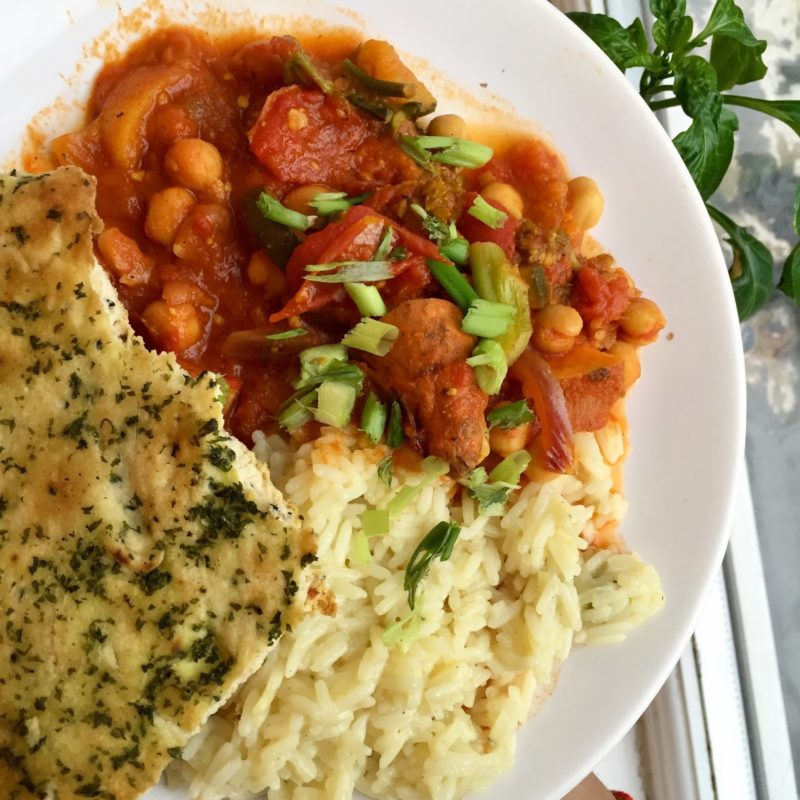
For a savoury meal, pair them with tomato soup, smoky bean chilli, lentil stew, or roasted vegetables, because the mild sweetness balances spicy and acidic flavours; for breakfast, serve one with fruit spread or dairy-free yoghurt, but avoid adding a very wet topping until the last moment.
Use fine cornmeal, rest the batter for 10 minutes, bake at 200°C conventional or 180°C fan for 18 to 22 minutes, and take the muffins out when a skewer shows moist crumbs.