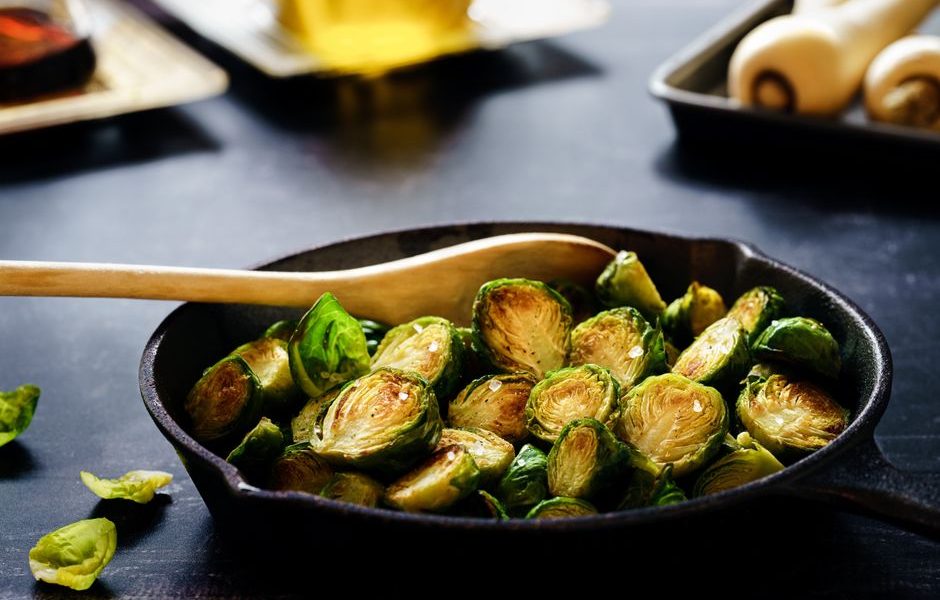
Want Brussels sprouts that taste bright, nutty and properly roasted instead of boiled and bitter? This vegan recipe gets there with high heat, cooked chestnuts, lemon zest and a sharp finish.
Why this Brussels sprouts recipe works
The verdict: roast the sprouts hard, add the chestnuts late and use lemon after cooking. That combination gives you browned edges, tender centres and enough acidity to stop the dish tasting heavy. You do not need bacon, cream or a complicated sauce. The chestnuts bring soft, sweet richness; lemon cuts through it.
What the dish should taste like
The first flavour should be savoury and roasted. Then comes the mild sweetness of the chestnuts, followed by fresh lemon and a small hit of mustard. The sprouts should still have shape when you bite them. They should not collapse into a wet green mass.
This matters because Brussels sprouts contain natural sulphur compounds. Long boiling pushes those flavours forward and leaves the vegetable soft. Roasting drives off excess moisture and creates browned edges instead. Lemon adds balance, but it cannot rescue sprouts that have been overcooked.
Who should make it
Make this for a vegan Christmas dinner, a Sunday roast or any meal where the side dish needs to do more than fill a plate. It serves four as a generous side or six as part of a large spread. The recipe uses common UK measurements and works in a standard fan oven.
Five minutes of resting lets the lemon dressing settle into the roasted leaves without making them limp.
Ingredients and quantities for four people
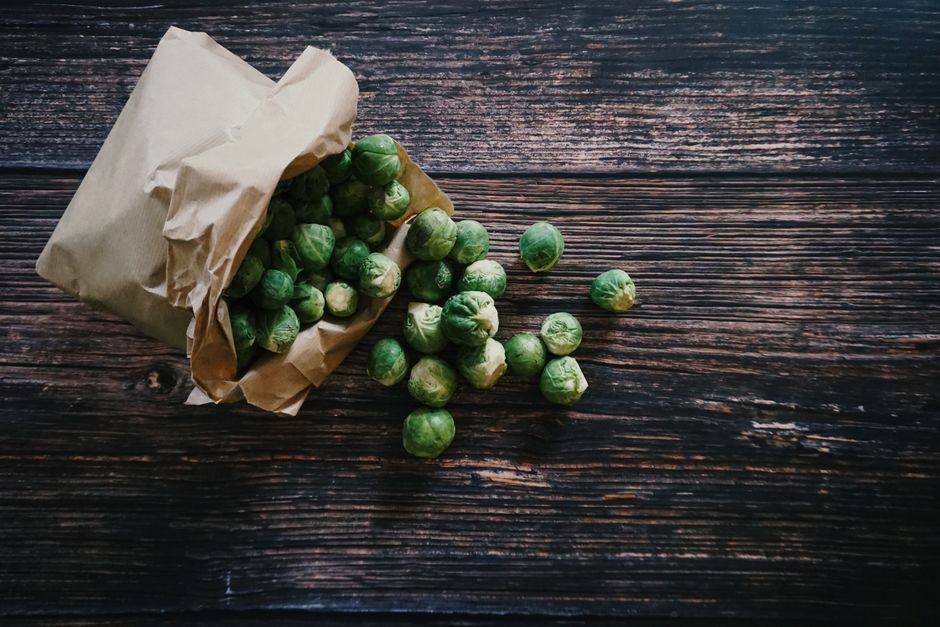
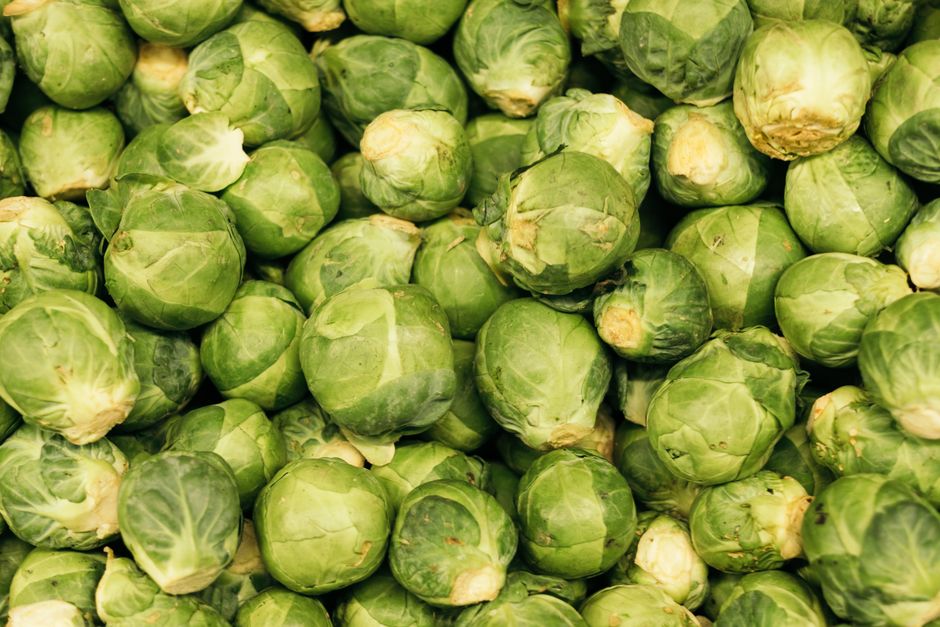
Use fresh sprouts with tight green leaves and no yellow patches. Smaller sprouts cook more evenly, but larger ones work if you quarter them. The recipe needs cooked chestnuts, not raw chestnuts in their shells.
Why each ingredient earns its place
The oil helps the cut sides brown. Garlic adds savoury depth, but too much burns at roasting temperature, so use two small cloves rather than four large ones. Dijon brings heat and helps the lemon juice cling to the vegetables. Maple syrup rounds off the bitterness without turning the dish sweet.
Use the lemon zest before juicing it. Zest carries fragrant oils; juice supplies acid. The two do different jobs. Add both at the right stage and the dish tastes fresh rather than sour.
Simple swaps that still work
Replace maple syrup with 1 teaspoon golden syrup or a pinch of caster sugar. Use chopped toasted hazelnuts if chestnuts are unavailable, but reduce the amount to 60g because hazelnuts are firmer and more concentrated. For a richer finish, stir through 1 tablespoon of vegan butter after the tray comes out of the oven.
How to cook the sprouts without making them soggy
High heat is the key. Spread the sprouts across a large metal roasting tray, leaving space between them. A crowded tray traps steam. Steam prevents browning, and browning is where the flavour comes from.
Roast the vegetables
- Heat the oven to 220°C fan, or 240°C conventional. Put a large metal roasting tray inside while the oven heats.
- Trim the sprouts and remove any damaged outer leaves. Cut small sprouts in half and large sprouts into quarters.
- Pat the sprouts completely dry. Toss them with 2 tablespoons of olive oil, the salt and the black pepper.
- Carefully remove the hot tray. Place the sprouts cut-side down in one layer. Roast for 15 minutes without turning.
- Roughly halve the chestnuts. Add them to the tray and roast for another 6 to 8 minutes. The sprouts should have dark golden edges and a tender centre.
Make the lemon dressing
While the sprouts cook, finely grate the lemon zest into a small bowl. Add 2 tablespoons of lemon juice, the garlic, Dijon mustard and maple syrup. Whisk in the remaining teaspoon of olive oil.
Do not pour the dressing over the sprouts before roasting. The lemon juice adds moisture, and the garlic can catch on the hot tray. Keep the dressing fresh and add it after cooking.
Finish and serve
Transfer the hot sprouts and chestnuts to a serving bowl. Pour over most of the dressing and toss once. Taste before adding more salt. Scatter over the parsley and the remaining lemon zest. Serve after five minutes, while the edges remain crisp.
If the sprouts are still firm, return them to the oven for three minutes. If they are tender but pale, move the tray higher in the oven for two minutes. Do not keep cooking them blindly; check the texture and colour together.
The mistakes that ruin Brussels sprouts with chestnuts
Most failures come from moisture and timing, not from the ingredient list. Fix those two points and the recipe becomes hard to spoil.
Mistake one: boiling the sprouts first
Do not boil them for ten minutes before roasting. That fills the leaves with water and makes crisp edges unlikely. If your sprouts are very large, quarter them instead. They will cook through without the extra step.
Mistake two: using a small tray
A standard dinner tray is often too crowded for 500g of sprouts and chestnuts. The pieces should sit in a single layer with small gaps around them. Use two trays if needed. Two browned trays beat one steaming tray every time.
Mistake three: adding chestnuts at the start
Cooked chestnuts are already tender. Twenty minutes in a hot oven can dry them out and make the edges hard. Add them after the sprouts have had 15 minutes, then give them 6 to 8 minutes to warm and brown.
Mistake four: dressing the tray too early
Lemon juice, maple syrup and garlic belong in the bowl after roasting. Add them before cooking and the tray becomes wet, the garlic can burn and the syrup can turn bitter.
How to store, reheat and serve the finished dish
Serve these sprouts beside roast potatoes, vegan Wellington, lentil loaf or a simple white-bean roast. The lemon cuts through rich gravy, while the chestnuts make the side filling enough for a plant-based main meal.
Storage and reheating
Cool leftovers within two hours and refrigerate them in a sealed container for up to three days. Reheat them in a hot frying pan with 1 teaspoon of oil for 5 to 7 minutes. An oven set to 200°C fan works too; spread the sprouts on a tray and heat for 8 to 10 minutes.
Do not microwave them if crisp edges matter. The microwave warms the centre quickly but turns the leaves soft. Add a fresh squeeze of lemon after reheating because the original brightness fades in the fridge.
Final recommendation
For the best Brussels sprouts with chestnuts and lemon, use 500g of dry, halved sprouts, roast them cut-side down at 220°C fan, add 180g cooked chestnuts after 15 minutes, and finish with lemon dressing off the heat. That is the version to make for a UK vegan Christmas dinner: crisp enough to feel special, simple enough to repeat, and balanced enough to win over people who usually avoid sprouts.