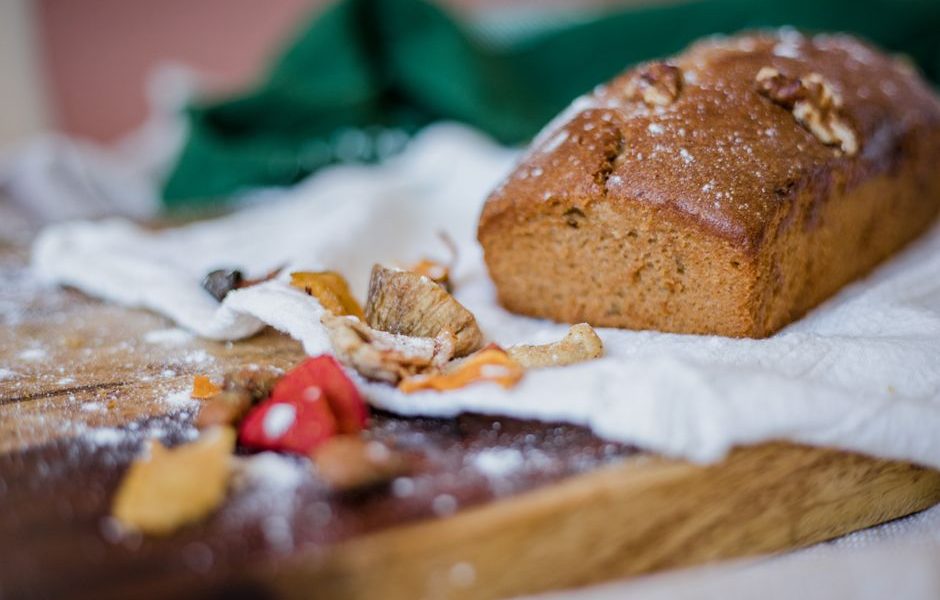
The common mistake is treating elderflower cordial like extra lemon juice. It is not. Cordial brings floral sweetness, while lemon brings sharp acid, so adding too much of both can leave a heavy, gummy loaf. The reliable formula uses lemon zest for strong citrus flavour, a measured amount of cordial for the elderflower note, and plant yogurt to keep the crumb soft.
Why Does Vegan Lemon Loaf Turn Dry?
Verdict: plant yogurt and careful mixing matter more than adding extra oil. Vegan loaf cake needs enough moisture to replace the richness and structure that eggs normally provide. Oil softens the crumb, but it cannot hold the batter together by itself. Plant yogurt adds water, mild acidity, and body, which helps the flour form a tender crumb instead of a fragile, dry slice.
How much moisture does the batter need?
For one 9 by 5 inch loaf, use 240 grams of unsweetened soy or oat yogurt, 80 milliliters of neutral oil, 120 milliliters of unsweetened plant milk, and 45 milliliters of elderflower cordial. This ratio gives the flour enough liquid without creating a wet centre. Soy yogurt is the strongest choice because its protein gives the batter extra support. Oat yogurt works well too, but choose a thick variety rather than a drinkable oat product.
Why does overmixing make the loaf tough?
Flour develops gluten as soon as it meets liquid. A few folds are useful; vigorous beating is not. Mix the wet ingredients separately, whisk the dry ingredients in a second bowl, then combine them with a spatula until no dry streaks remain. Small lumps are fine. Stop before the batter looks perfectly smooth. A smooth, glossy batter often means the flour has been worked too hard, which creates a rubbery crust and a dense middle.
Use room-temperature ingredients when possible. Cold yogurt can make the melted fat seize into small beads, and those beads leave uneven pockets in the cake. Set the yogurt and milk out for 20 minutes before mixing. That small preparation step produces a more even crumb than another spoonful of oil.
How Do You Bake the Loaf Step by Step?
My winning method is a low, steady bake with a separate glaze. Baking the cordial into a thick syrup on top can make the surface sticky before the centre sets. Keep the cake lightly sweet in the oven, then add the lemon and elderflower glaze after cooling.
Mix the batter in the right order
- Heat the oven to 175°C conventional or 160°C fan. Grease a 9 by 5 inch loaf pan and line it with a paper sling.
- Whisk 240 grams of plain flour, 2 teaspoons of baking powder, half a teaspoon of bicarbonate of soda, and a quarter teaspoon of fine salt.
- In another bowl, whisk 150 grams of caster sugar with the zest of one large lemon. Rub the zest into the sugar with your fingers until it smells strongly citrusy.
- Add 240 grams of plant yogurt, 80 milliliters of neutral oil, 120 milliliters of plant milk, 45 milliliters of elderflower cordial, 2 teaspoons of lemon juice, and 1 teaspoon of vanilla extract.
- Pour the wet mixture into the flour. Fold 12 to 15 times, scraping the base of the bowl. Stop as soon as the dry flour disappears.
- Scrape the batter into the pan and level the surface. Bake for 50 to 60 minutes.
How do you know the cake is done?
Push a wooden skewer into the centre. It should come out with a few moist crumbs, not liquid batter. If you use a probe thermometer, aim for 96°C to 99°C in the centre. The loaf should spring back slowly when pressed. Cool it in the pan for 15 minutes, then transfer it to a rack. Do not glaze it while hot; the liquid will run through the crumb and leave a wet line near the base.
For the glaze, stir 120 grams of icing sugar with 1 tablespoon of lemon juice and 1 tablespoon of elderflower cordial. Add the liquid a few drops at a time until the glaze falls from the spoon in a thick ribbon. Pour it over a fully cool loaf and finish with a little lemon zest.
Why Did My Vegan Loaf Sink or Crack?

Most failed loaves have a timing problem, not a vegan-ingredient problem. A sunken middle usually means the centre had not set when the cake left the oven. A long crack along the top is normal for loaf cake and does not mean the recipe failed.
Why did the centre sink?
If the middle sinks, first check the baking powder. An opened container older than six months may have lost strength. Next, check the pan size. A larger pan spreads the batter too thin, while a smaller pan creates a deep centre that needs longer to bake. Do not open the oven before 45 minutes because the sudden temperature drop can collapse the middle. If the top browns early, cover it with foil rather than lowering the heat sharply. A skewer with wet batter means the loaf needs another 8 to 10 minutes, not more cooling time.
Why is the bottom gummy?
A gummy base usually comes from excess liquid, underbaking, or slicing too soon. Measure flour with a scale; 240 grams is the target. Do not add a full cup of cordial just because the flavour seems gentle in raw batter. Floral notes become clearer after baking and glazing. Let the loaf cool for at least 90 minutes before cutting. If the outside is firm but the bottom remains wet, place individual slices on a tray and warm them at 160°C for 8 minutes. This will not repair a badly underbaked loaf, but it can improve slices that were cut while warm.
What Is the Most Reliable Final Formula?
For a moist vegan elderflower lemon loaf, use thick soy yogurt, a light aluminum pan, and a separate glaze. That combination gives the best balance of structure, fresh citrus flavour, and floral sweetness.
Use this final checklist
- Measure 240 grams of flour with a scale.
- Use room-temperature yogurt and plant milk.
- Rub lemon zest into the sugar before adding liquid.
- Fold the batter only until the flour disappears.
- Bake at 175°C conventional or 160°C fan.
- Check the centre at 50 minutes and continue until the skewer shows moist crumbs.
- Cool fully before adding the glaze or slicing.
What should the finished loaf taste like?
The first taste should be bright lemon, followed by a gentle elderflower aroma. The crumb should bend slightly instead of crumbling, and the crust should feel thin rather than hard. If the cake tastes flat, add more lemon zest next time, not more cordial. The misconception at the start has an easy fix: elderflower is the soft floral accent, while lemon supplies the structure and lift. Keep those jobs separate, and the loaf becomes moist, clear-tasting, and dependable.