Many people treat watercress as a decorative leaf and potato salad as a bowl of mayonnaise. Both assumptions miss the point. A good new potato and watercress salad uses the potatoes as a warm, creamy base and the watercress as a peppery counterweight. The dressing should soak into the potatoes while they are still warm, but the leaves should stay fresh and springy.
Why New Potatoes and Watercress Work Together
The salad is built on contrast
New potatoes have thin skins, a waxy texture, and enough starch to carry a dressing without falling apart. Watercress brings a sharper flavour, a slight mustard-like bite, and a crisp stem. That contrast keeps the dish from tasting flat. You get soft and firm textures in the same forkful, plus enough acidity to cut through the potato’s mild sweetness.
The combination also solves a practical cooking problem. Potatoes can make a salad feel heavy, while leafy greens can make one feel insubstantial. Here, each ingredient covers the other weakness. The potatoes provide weight, and the watercress provides lift. A small amount of shallot, lemon, or vinegar gives the mixture a clean finish.
What the potatoes actually do
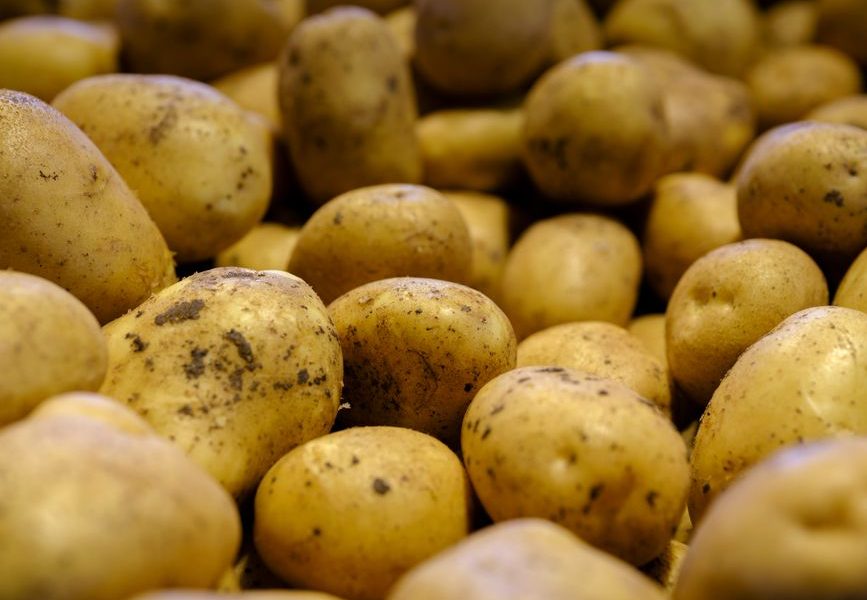
Choose small waxy potatoes because they hold their shape after cooking. Floury baking potatoes absorb water and break into crumbs when tossed. That texture works for mash, not this salad. Keep the skins on if they are clean and thin; the skins add texture and save you a peeling step.
The best verdict is simple: use warm potatoes, cold watercress, and a dressing with enough acid to make both taste brighter. The salad does not need bacon, mayonnaise, or a long ingredient list to feel complete.
How to Cook the Salad Without Making It Watery
How long should the potatoes boil?
Put the potatoes in a pot, cover them with cold water by about 2.5 centimetres, and add one tablespoon of salt. Bring the water to a gentle boil, then lower the heat. Small potatoes usually need 12 to 15 minutes; larger ones may need 18 minutes. Test the centre with a thin knife. It should slide in with slight resistance, not fall apart.
Drain the potatoes as soon as they are tender. Let them sit in the colander for two minutes so surface water can evaporate. Do not rinse them under cold water. That cools the centers and leaves the dressing sitting on the outside instead of soaking in.
When should the dressing go on?
Whisk the dressing while the potatoes cook. Toss the hot potatoes with two-thirds of it immediately after draining, then wait five minutes. Add the sliced shallot while the potatoes are still warm. This takes the raw edge off the onion and lets the acid reach the potato surface.
Wash the watercress separately and spin it completely dry. Fold it through only when the potatoes are warm rather than hot. If the leaves wilt instantly, the pot was too hot or the greens held too much water.
Which pantry products are worth the money?
The oil matters, but acidity and timing matter more.
Five Mistakes That Ruin Potato and Watercress Salad
The failure points
- Overcooking the potatoes. Split skins and crumbly centers turn the salad into a mash. Remove small potatoes as soon as a knife reaches the middle.
- Adding watercress to a boiling-hot bowl. The leaves wilt, darken, and lose their peppery flavour. Give the potatoes five minutes to release steam before mixing in the greens.
- Using too little salt in the cooking water. The dressing cannot fully season a bland potato centre after cooking. Salt the water so it tastes clearly seasoned, then adjust the finished salad.
- Skipping the drain-and-dry step. Wet potatoes dilute the dressing, while wet watercress makes the whole bowl watery. Steam-dry the potatoes and spin the greens.
- Adding all the acid at once. Two tablespoons may be right for one batch and too sharp for another. Add most of it first, toss, and use the rest only if the potatoes still taste dull.
The clear verdict
The most damaging mistake is not a wrong ingredient. It is poor timing. Warm potatoes need dressing; watercress needs protection. Keep those two stages separate until the final toss, and the salad will taste deliberate rather than soggy.
Do not make this dish hours ahead if you want crisp greens. Prepare the potatoes and dressing earlier, but wash and add the watercress shortly before serving. Leftovers remain edible for one day, though the leaves will soften.
When This Salad Beats a Mayo-Based Version
Best use
Choose this salad for warm lunches, grilled fish, roast chicken, or a spring buffet where a heavy side would be a mistake. Its sharp dressing keeps the potatoes lively, and the watercress adds enough bitterness to balance rich food. It also travels better than a creamy salad in mild weather because the dressing contains no egg-based sauce. That does not make it invulnerable to heat, but it removes one common source of spoilage risk.
When to skip it
Skip this version if you want a soft, rich side that can sit in the refrigerator overnight and taste nearly unchanged. A classic mayonnaise potato salad is better for that job. Skip it too if your diners dislike peppery greens; watercress is not a neutral substitute for lettuce. There is no clever workaround here. Replace it with flat-leaf parsley for a milder salad, but accept that the finished dish will lose the bite that makes the original combination work.
The tradeoff is clear: this salad wins on freshness, speed, and contrast, while a mayo-based version wins on richness and make-ahead durability. For a meal that already contains butter, cream, or fatty meat, the watercress version is the stronger choice.
A Reliable Four-Serving Recipe and Final Verdict
Ingredients and method
Use 750 grams of small new potatoes, 100 grams of watercress, one sliced shallot, four tablespoons of extra-virgin olive oil, two tablespoons of lemon juice or cider vinegar, one tablespoon of Dijon mustard, half a teaspoon of salt, and black pepper. Boil the potatoes in salted water for 12 to 18 minutes, drain them, and let them steam-dry for two minutes.
Whisk the oil, acid, mustard, salt, and pepper. Toss two-thirds of the dressing with the warm potatoes and shallot. Wait five minutes, then fold in the dry watercress and the remaining dressing. Taste before serving. Add salt for dullness, acid for heaviness, or oil if the finish feels too sharp.
How to serve it
Serve the salad warm or at room temperature, not refrigerator-cold. It works as a side for four people or as a light main course for two with eggs, beans, or smoked fish. A serving contains roughly 190 grams of potatoes before accounting for the dressing and any added protein, so plan another dish if this is the centre of the meal.
For the food decision, use the fresh, sharp version when you want contrast and make it close to serving time. That is the version worth cooking.