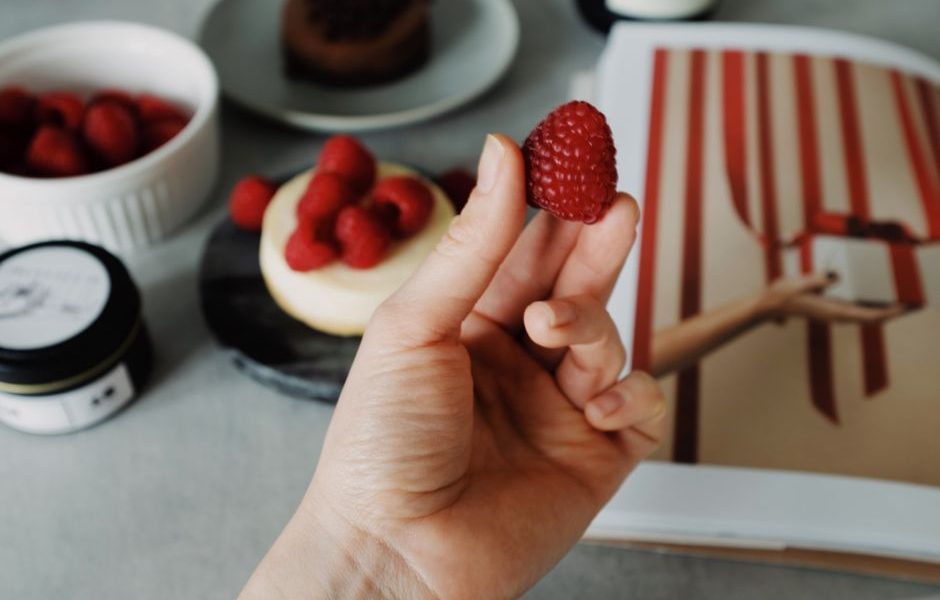
A 100g bar of dark chocolate and the liquid from one tin of chickpeas can make six small, restaurant-style mousse cups. That is the useful trick here: aquafaba supplies the lift, chocolate supplies the structure, and raspberries cut through the richness. The result tastes expensive without requiring a pastry degree or a long shopping list.
Why Aquafaba Makes Vegan Chocolate Mousse Work
The problem with dairy-free mousse is not the lack of cream. It is the need for a stable foam that can hold air after chilling. Aquafaba, the thick liquid from cooked chickpeas, contains proteins and starches that whip into a light foam. Fold that foam into melted chocolate, and the mixture sets into a spoonable dessert.
How the foam replaces whipped cream
Use 180 milliliters of well-chilled aquafaba, which usually comes from one 15-ounce can of chickpeas. Drain it through a fine sieve and chill it for at least 30 minutes. Whip it with an electric mixer for 6 to 8 minutes, until the foam forms stiff peaks that stay upright when you lift the beaters. A pinch of cream of tartar helps, but it is optional.
Why raspberry matters
Dark chocolate contains bitterness and roasted flavours. Raspberries bring sharp acidity, floral aroma, and enough water to keep the dessert from tasting heavy. Use 150 grams of fresh or thawed frozen raspberries. Blend them, strain out the seeds if you want a smooth finish, and add the puree after the chocolate cools slightly.
Verdict: Aquafaba is the best base for this recipe because it gives the mousse height without coconut flavour, expensive cream alternatives, or a dense avocado texture.
How to Make the Mousse in 20 Minutes
Set out six small glasses before you begin. The chocolate needs to cool while the aquafaba whips, so the order below keeps the timing tight and prevents a heavy final mixture.
- Prepare the raspberry layer. Blend 150 grams of raspberries with 1 tablespoon of maple syrup and 1 teaspoon of lemon juice. Taste the puree. Add another teaspoon of syrup only if the berries are very tart.
- Strain the puree. Press it through a fine sieve with the back of a spoon. This takes about 3 minutes and removes seeds that would interrupt the smooth mousse.
- Melt the chocolate. Chop 170 grams of dark chocolate. Melt it with 60 milliliters of unsweetened plant milk in a heatproof bowl over barely simmering water. Stir until glossy, then remove the bowl from the heat.
- Cool the chocolate. Wait 5 to 7 minutes. The mixture should feel warm, not hot, when you touch the outside of the bowl. Hot chocolate collapses the foam.
- Whip the aquafaba. Beat 180 milliliters of chilled aquafaba with a pinch of cream of tartar for 6 to 8 minutes. Stop when it forms stiff peaks. Soft foam gives you pudding; stiff foam gives you mousse.
- Combine gently. Stir one-third of the aquafaba into the chocolate to loosen it. Fold in the remaining foam in two additions. Use a silicone spatula and make slow scooping turns from the bottom of the bowl.
- Layer and chill. Spoon raspberry puree into the glasses, add the chocolate mousse, and refrigerate for at least 2 hours. Garnish with a few berries just before serving.
The key timing decision is simple: cool the chocolate before folding, but do not let it harden. If it thickens while you work, place the bowl over warm water for 20 seconds and stir.
Fixing Runny, Grainy, or Bitter Vegan Mousse
Most failed mousse recipes do not fail because vegan ingredients are difficult. They fail because temperature and water are handled casually. Chocolate seizes when water enters it in the wrong way, and aquafaba loses volume when it meets heat, oil, or rough mixing. The good news is that each problem has a clear cause.
If the mousse stays runny
First, chill it for the full 2 hours. Melted chocolate firms as its cocoa butter cools, so a loose mixture may simply be unfinished. If it still pours after 3 hours, the aquafaba was probably under-whipped or the chocolate contained too little cocoa butter. Beat a fresh 60-milliliter portion of aquafaba to stiff peaks and fold it into the mixture, then chill again. Do not add dry cocoa powder directly; it creates bitter pockets and a dusty texture.
If the mousse turns grainy
Graininess usually comes from chocolate that overheated or seized. Keep the water below a simmer and make sure steam cannot enter the bowl. If small lumps appear, whisk in 1 teaspoon of warm plant milk at a time until the chocolate becomes smooth. Add no more than 3 teaspoons, because extra liquid weakens the set.
If it tastes flat or too bitter
Raspberries vary widely. Frozen berries often taste sharper than ripe fresh berries, while dark chocolate above 70% cacao can dominate the dessert. Add the lemon juice to the puree, not to the melted chocolate. If the finished mousse still tastes severe, top each glass with 1 tablespoon of sweetened raspberry puree instead of adding more syrup to the chocolate.
Best correction: Fix temperature before adding ingredients. More sweetener cannot repair collapsed foam, and more chocolate cannot repair a mixture that never cooled properly.
Can You Make Raspberry Chocolate Mousse Ahead?
How far ahead can you prepare it?
Prepare the mousse up to 24 hours before serving. Cover each glass or place the glasses in a sealed container so the chocolate does not absorb refrigerator odors. Add fresh raspberries, grated chocolate, or mint only at the end. The mousse becomes firmer overnight, which makes it easier to transport and portion.
Can you freeze it?
Yes, but the texture changes. Freeze the mousse in airtight containers for up to 1 month, then thaw it in the refrigerator for 6 to 8 hours. The raspberry layer may release a little water after thawing. For a dinner party, refrigeration gives a better result than freezing.
What can replace raspberries?
Use blackberries for a darker, less sharp flavour or strawberries for a softer, sweeter profile. Mango puree works too, but its lower acidity makes the dessert taste richer and less balanced. Keep the puree amount near 150 grams so extra water does not weaken the mousse.
Can children help make it?
They can measure the berries, layer the puree, and fold the foam with supervision. An adult should handle the double boiler and check that the chocolate bowl stays dry.
Verdict: Make it the night before Valentine’s Day and garnish just before serving. That schedule gives the chocolate enough time to set and removes the last-minute pressure.
The Best Valentine’s Dessert Is the One You Can Execute
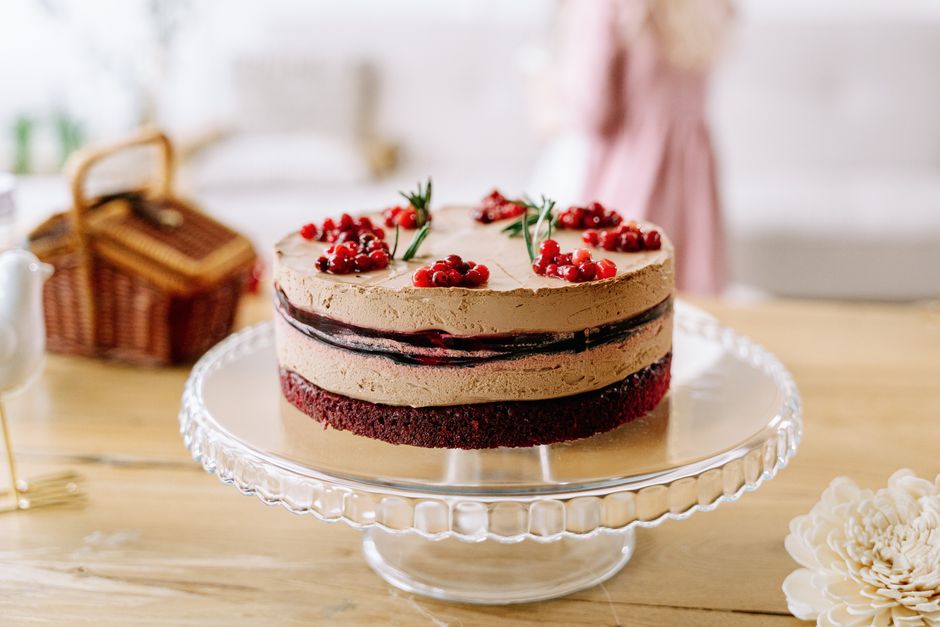
My clear recommendation is to make this mousse with 60% to 72% vegan dark chocolate, strained raspberry puree, and aquafaba whipped to firm peaks. That combination gives six portions, about 20 minutes of active work, at least 2 hours of chilling, and a realistic ingredient cost below many single-serve bakery desserts. It also solves the main objections people raise about dairy-free mousse: no coconut aftertaste, no specialist equipment, and no need to buy a costly cream substitute. Choose Guittard for a firmer bittersweet finish or Enjoy Life for a clearly labeled allergen-friendly option, but check the package because formulas and prices change. Skip the recipe if you need a dessert served immediately, if your chocolate contains dairy, or if you cannot spare the chilling time; a warm chocolate pudding will be a better plan in those cases. If you follow the temperature sequence, keep the water away from the chocolate, and add the raspberry layer at the end, this is the Valentine’s dessert I would serve: sharp berry flavour, clean chocolate depth, six neat portions, and no inflated restaurant markup.