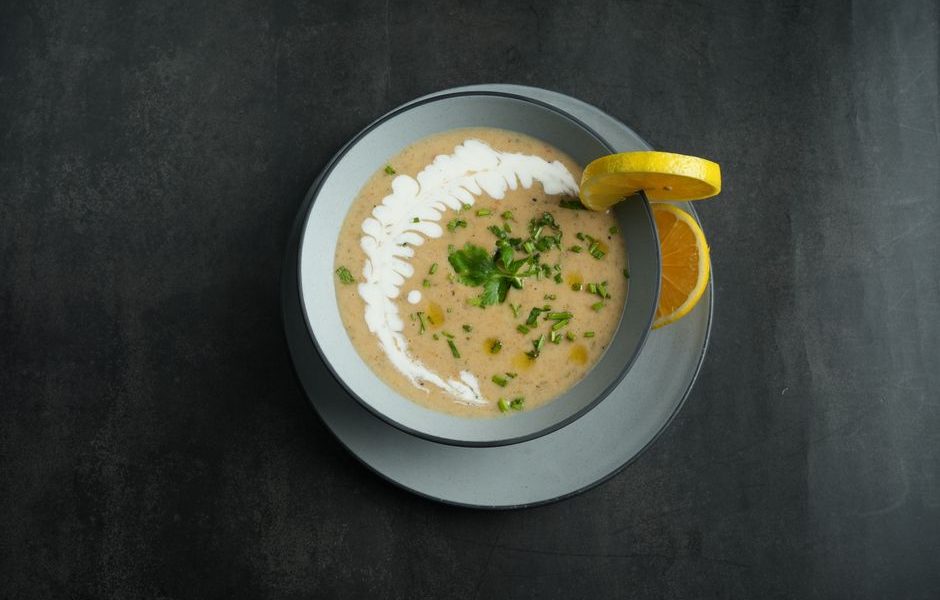
You know the night: dinner needs to be warm and filling, but there is no energy for a long ingredient list or a sink full of pans. Red lentil dal with spinach solves that problem in one pot. The lentils cook quickly, the spinach folds in at the end, and a short tempering of spices gives the dish a deeper flavour than its low effort suggests.
Why Red Lentil Dal with Spinach Works on Busy Nights
What the lentils do for the dish
Red lentils break down as they cook, so they create their own thick, creamy base without cream, butter, or blending. That makes them different from green or brown lentils, which hold their shape and produce a more textured stew. For this recipe, use 1 cup of red lentils, rinse them until the water runs mostly clear, and cook them with 750ml of water or unsalted stock.
The lentils also make the meal filling. Their starch gives the dal body, while the spinach adds a fresh, slightly bitter edge that keeps the bowl from tasting flat. The balance matters: use enough spinach to cut through the richness, but add it late so it stays green.
A reliable one-pot timing plan
| Stage | Time | What to look for |
|---|---|---|
| Soften onion | 6 to 8 minutes | Translucent edges and light golden colour |
| Toast spices | 45 seconds | Fragrant, not dark or smoky |
| Cook lentils | 16 to 20 minutes | Soft lentils with a spoonable texture |
| Wilt spinach | 2 to 3 minutes | Bright green leaves with no raw volume |
| Rest before serving | 5 minutes | Thicker, more settled dal |
The best choice for a rushed dinner is hob dal, not a slow cooker version. Red lentils can turn pasty when held at high heat for too long, while the hob lets you stop cooking as soon as the texture is right.
How to Build Deep Flavour Without Heavy Cream
Start with a proper base
Heat 1 tablespoon of oil in a medium pot over medium heat. Add one finely diced small onion and cook for 6 to 8 minutes. Add two minced garlic cloves and a 1-inch piece of grated ginger for the final minute. The onion should soften before the spices go in. If it still tastes sharp or raw, the finished dal will taste thin no matter how much seasoning you add.
Add 1 teaspoon ground cumin, 1 teaspoon ground coriander, 1 teaspoon turmeric, 1 teaspoon paprika, and 1/2 teaspoon chili powder. Stir for about 45 seconds. Spices release more aroma in warm oil, but they can burn quickly. If the pot looks dry, add a tablespoon of water instead of turning up the heat.
Use acid and salt at the right time
Add the rinsed lentils and cooking liquid after the spices bloom. Stir in 1 teaspoon of salt at this stage, then adjust later. Bring the pot to a gentle boil, reduce the heat, and leave the lid slightly open. Stir every 4 or 5 minutes so the lentils do not settle and catch on the bottom.
Acid belongs near the finish. Add 1 to 2 tablespoons of lemon juice after the lentils become soft. Lemon added too early can keep legumes firmer for longer, which makes the cooking time less predictable. Taste after the lemon goes in. A dal that seems bland often needs salt first, but a dal that tastes heavy usually needs acid.
For extra depth, stir in 1/2 teaspoon garam masala during the last two minutes. It should support the cumin, ginger, and garlic rather than cover them. This is a dish built from layers, not a pile of random seasoning.
The Exact Method for Creamy Dal and Bright Spinach
Follow these steps in order
- Rinse 200g of red lentils under cool water until the water is less cloudy.
- Warm 1 tablespoon of oil in a pot over medium heat.
- Cook one diced onion for 6 to 8 minutes, then add garlic and ginger for 1 minute.
- Stir in cumin, coriander, turmeric, paprika, and chili powder for 45 seconds.
- Add the lentils, 750ml of water or unsalted stock, and 1 teaspoon of salt.
- Simmer uncovered or with the lid slightly ajar for 16 to 20 minutes.
- Stir in 150g of chopped spinach and cook for 2 to 3 minutes.
- Finish with lemon juice, garam masala, and black pepper. Rest for 5 minutes.
How to judge the texture
The correct dal should fall from a spoon in a slow ribbon. It should look creamy but still have small pieces of onion and visible spinach. If the mixture looks watery, simmer it uncovered for 3 to 5 minutes. If it becomes too thick, add hot water 2 tablespoons at a time. Cold water lowers the temperature and can make the texture uneven.
Do not wait for the pot to look perfect before removing it from the heat. Red lentil dal continues to thicken during its five-minute rest. Stopping when it is slightly looser than desired gives you a better final consistency.
What Goes Wrong With Red Lentil Dal?
Why is the dal bland?
Usually, the onion did not cook long enough, the spices were not warmed in oil, or the pot needs more salt. Fix the problem in that order. Taste a spoonful with a little lemon juice before adding more seasoning. If the flavour becomes lively, the dal needed acid rather than another heavy spice.
Why did the spinach turn dull?
Spinach loses its fresh colour when it cooks for too long. Add it only after the lentils are soft, and keep the heat at a gentle simmer. Baby spinach can go in whole, while mature leaves should be chopped into smaller pieces. Frozen spinach also works, but squeeze out excess water first and cook it for 3 to 4 minutes.
Another common mistake is adding tomatoes at the start and expecting the lentils to soften on schedule. Tomatoes add useful acidity, but too much acid early in the process can slow softening. If you want tomato, use 1/2 cup crushed tomato and add it after the lentils have cooked for about 10 minutes.
A scorched bottom is harder to fix. Move the unburned dal to a clean pot without scraping the dark layer. Add hot water, taste again, and finish with lemon. Do not stir the burnt pieces back through the dish; bitterness spreads quickly.
Which Spinach and Lentil Swaps Actually Work?
Best substitutions for the greens
Fresh mature spinach is the best choice when you want visible green leaves and a slightly firmer bite. Baby spinach cooks faster and gives a smoother texture. Frozen spinach is the most practical choice for batch cooking, but it needs draining so it does not water down the dal.
- Use chopped kale when you want a sturdier green; simmer it for 6 to 8 minutes.
- Use Swiss chard for a softer, more mineral flavour; chop the stems finely and cook them with the onion.
- Use frozen peas when no leafy greens are available; add about 150g during the final 5 minutes.
When red lentils are the wrong choice
Do not use red lentils if you want a dal with distinct, firm lentils. Choose green or brown lentils instead, increase the cooking liquid to about 875ml, and expect 30 to 40 minutes of cooking. The result will be more textured and less creamy.
Do not add coconut milk if your goal is a light, sharp dal. Coconut milk makes the dish richer and softer, but it can hide the ginger, lemon, and spinach. For a brighter bowl, keep the liquid simple and finish with lemon. For a richer bowl, replace 1/2 cup of cooking liquid with unsweetened coconut milk after the lentils soften.
My clear pick for a fast vegetarian dinner is red lentils with fresh spinach. They cook in under 25 minutes and give the most forgiving texture.
The Best Way to Serve and Store This Dal
Build a balanced bowl
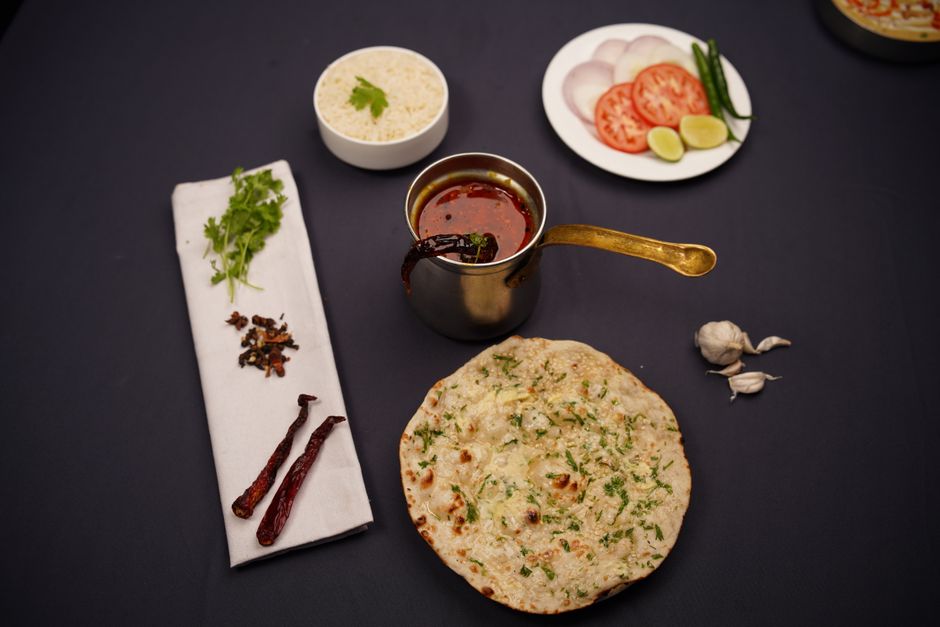
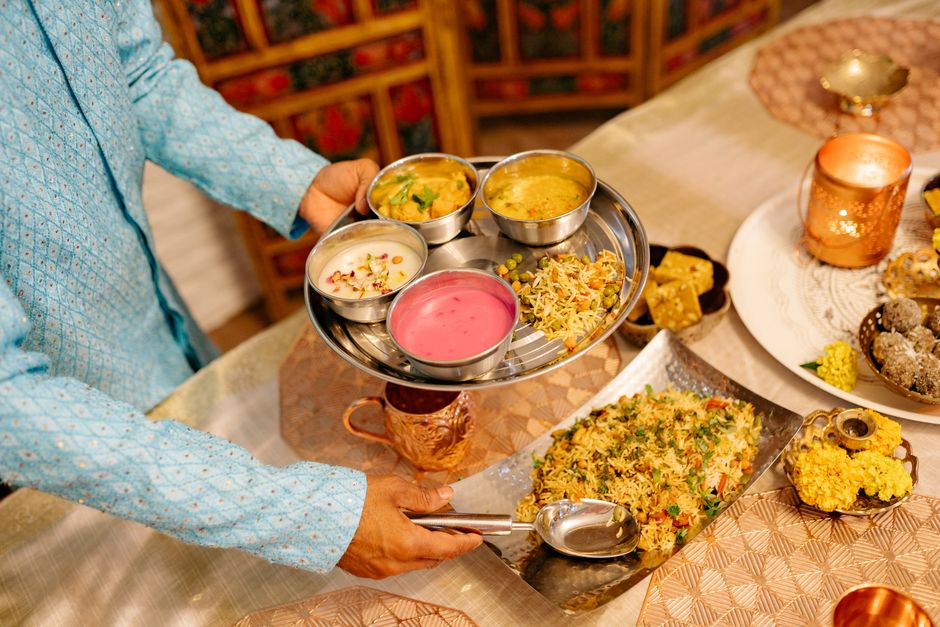
Serve the dal over basmati rice, with flatbread, or on its own with a spoonful of plain yogurt. Add fresh coriander, sliced green chili, or toasted cumin seeds if you want contrast. Keep the toppings sharp and fresh; the dal already brings softness and warmth.
For a balanced meal, pair one bowl of dal with rice or bread and a crisp side such as cucumber, shredded cabbage, or lemon-dressed carrots. That combination adds crunch without competing with the main dish.
Store and reheat it without losing the texture
Cool leftovers promptly and refrigerate them in a sealed container for up to 4 days. The dal will thicken significantly, so reheat one portion with 2 to 4 tablespoons of water over low heat. Stir often and stop as soon as it becomes spoonable again.
Freeze the dal for up to 3 months, ideally before adding fresh garnishes. Thaw it in the refrigerator overnight, then reheat gently. Add lemon after reheating because its bright flavour fades in the freezer.
The single most important takeaway is simple: cook the red lentils until creamy, add spinach only at the finish, and adjust the final bowl with salt and lemon.