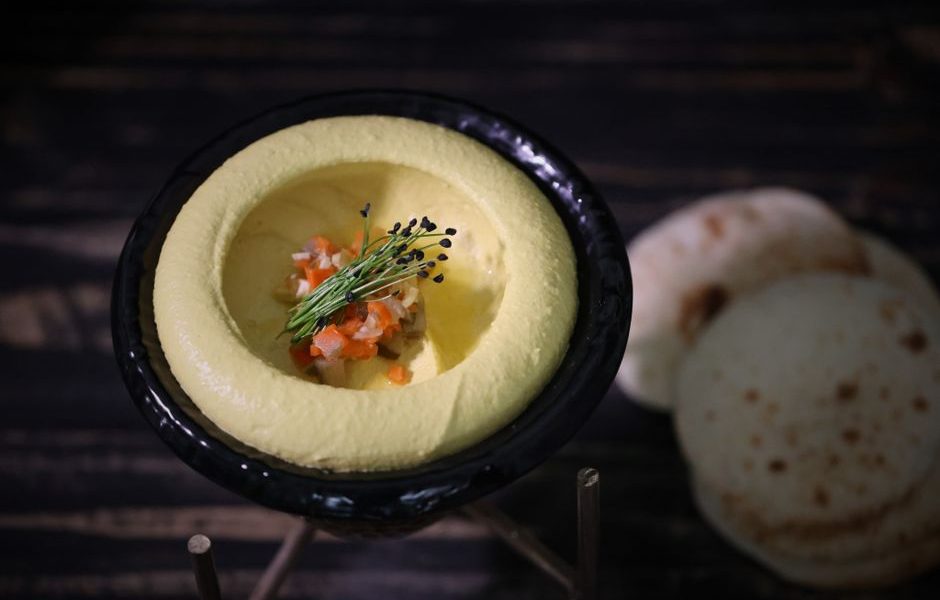
Roasting carrots can increase their sweetness enough to change the whole character of a dip. That matters here: raw carrots taste fresh and watery, while roasted carrots bring caramelised edges, a deeper orange colour and a soft texture that blends neatly with chickpeas. This roasted carrot and cumin hummus uses everyday UK ingredients, takes about 45 minutes from start to finish and makes roughly 600g, enough for a generous bowl at a gathering or several lunches.
The recipe stays vegan and avoids unnecessary tricks. You need a hot oven, a blender or food processor, and a little patience while the chickpeas break down. You get a sweeter, more savoury hummus without adding sugar, and the cumin tastes rounder instead of sharp.
Why roasted carrots make better hummus than boiled carrots
The main choice in this recipe is not the garnish. It is the cooking method. Carrots contain natural sugars and plenty of water. Roasting removes some of that water while browning the surface, so the finished hummus tastes concentrated rather than thin. Boiling cooks carrots quickly, but it leaves them wet and mild. That extra water can make the dip loose before you have added the lemon juice or olive oil.
| Method | Time | Texture | Best result |
|---|---|---|---|
| Roasting at 200°C fan | 25-30 minutes | Soft with browned edges | Sweet, rich hummus |
| Boiling | 8-12 minutes | Very soft and wet | Fast but lighter flavour |
| Steaming | 10-15 minutes | Soft and clean-tasting | Low-oil cooking |
| Raw blending | None | Grainy and fibrous | Not suitable for this dip |
What roasting changes
Cut the carrots into pieces about 2cm thick. Smaller pieces cook faster but can dry out; larger pieces may stay firm in the centre while the edges darken. Toss them with one tablespoon of olive oil and a pinch of salt, then spread them in one layer. Crowding the tray traps steam and prevents browning. Roast at 200°C fan, 220°C conventional or Gas Mark 7 until a knife slides through the thickest piece.
How much cumin gives the best balance
Use one teaspoon of ground cumin in the blend and another half teaspoon for the tray or final topping. This gives the hummus a warm, earthy flavour without hiding the carrot. If you use whole cumin seeds, toast one teaspoon in a dry frying pan for 60-90 seconds, then grind them. The seeds taste fresher, but ground cumin saves time and still works well.
For the strongest flavour, add the roasted carrots while they are warm, but let them cool for five minutes first. Very hot vegetables can make a plastic food processor bowl soften or release steam when you open the lid.
The ingredient list and the order that makes the dip smooth
Blend the chickpeas with the liquid before adding the carrots. This small change gives the machine more room to break down the skins and creates a creamy base. Add the roasted vegetables later, when the mixture already moves easily around the blade.
- 500g carrots, peeled and cut into 2cm pieces
- 1 x 400g tin chickpeas, drained and rinsed
- 60g tahini
- 1 medium lemon, juiced, plus extra if needed
- 1 small garlic clove, finely grated or crushed
- 1 teaspoon ground cumin
- 3 tablespoons extra virgin olive oil, divided
- 60-120ml cold water, added gradually
- ¾ teaspoon fine salt, then more to taste
- ½ teaspoon smoked paprika or extra cumin for serving
Why each ingredient earns its place
Chickpeas provide body and mild savoury flavour. Tahini adds sesame richness and helps the dip feel creamy, while lemon juice cuts through that richness. Garlic gives bite, but one small clove is enough; two can dominate the sweet carrot. Olive oil carries the cumin through the mixture, and cold water loosens the paste without making it greasy. If your tahini tastes bitter, use 50g rather than 60g and add more lemon only after blending.
The best blending order
- Drain and rinse the chickpeas under cold water for 30 seconds.
- Add chickpeas, tahini, lemon juice, garlic, cumin, salt and 60ml cold water to the food processor.
- Blend for 60 seconds, scrape down the sides, then blend for another minute.
- Add the roasted carrots and two tablespoons of olive oil.
- Blend for two minutes, adding water one tablespoon at a time until the blade moves smoothly.
- Taste, then adjust salt, lemon and cumin in small amounts.
Do not pour in all the water at once. A thin hummus cannot be repaired as easily as a thick hummus can be loosened. Stop the machine twice and scrape the bowl so the tahini and carrot do not cling above the blade.
Roast, blend and adjust: the detailed method
Start by heating the oven before you prepare the carrots. A cold tray gives the vegetables time to sweat, while a hot oven begins browning as soon as the carrots hit the heat. Line a large baking tray if you want easier washing-up, but leave space around the pieces. If the carrots sit shoulder to shoulder, use two trays.
Step 1: roast the carrots properly
Toss the carrot pieces with one tablespoon of olive oil, half a teaspoon of salt and half a teaspoon of cumin. Roast for 25 minutes, turn the pieces, then cook for another five minutes if needed. The edges should show dark golden patches, not black spots. A few darker corners add flavour; burnt garlic or burnt carrot will make the whole dip taste bitter. Remove the tray and leave the carrots for five minutes.
Step 2: build the creamy base
While the carrots roast, rinse the chickpeas thoroughly. The liquid from the tin can taste metallic or salty, and rinsing removes some of it. Add the chickpeas, tahini, lemon juice, garlic, cumin and salt to the processor with 60ml cold water. Blend until the mixture looks like a thick paste. Scrape down the sides. This first blend matters because whole chickpea skins create a rough texture if you only process everything for a short burst.
Step 3: finish and season
Add the warm carrots and two tablespoons of olive oil. Process for two minutes. The dip may look thick at first, then loosen as the carrots break down. Add more water in 15ml steps. You want hummus that holds a spoon mark for a few seconds but spreads without tearing. Taste it cold as well as warm, because chilling dulls salt and lemon slightly.
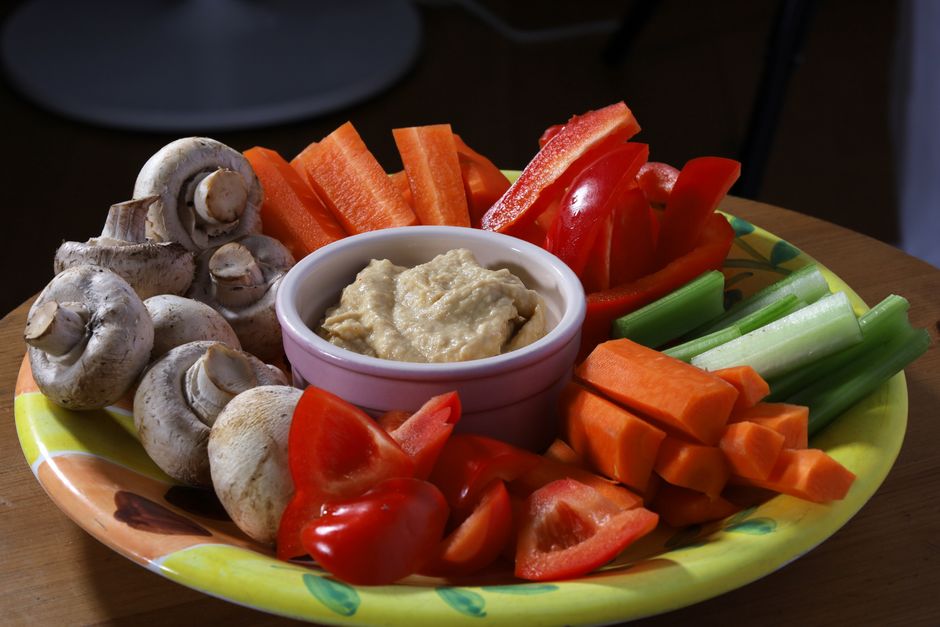
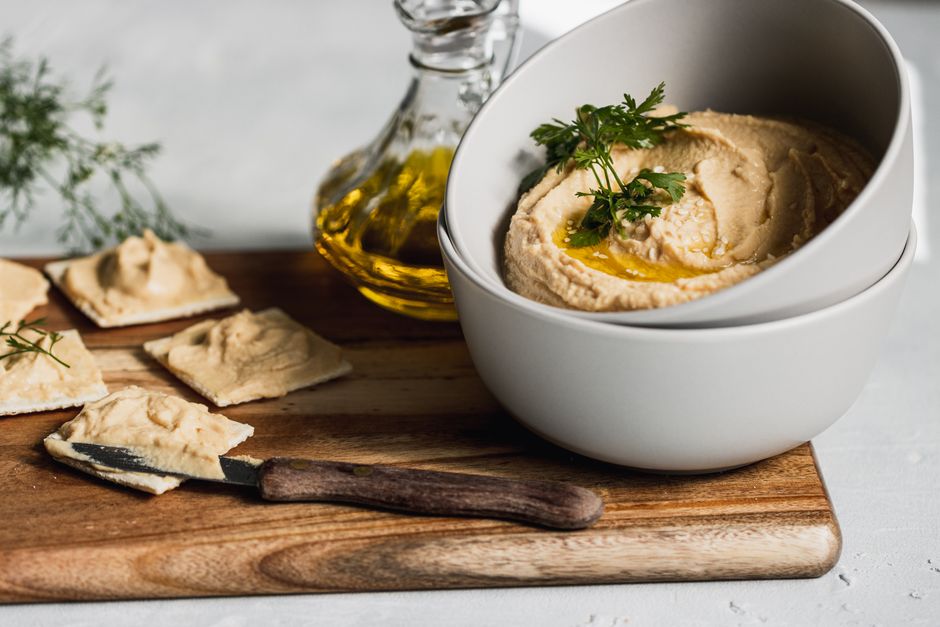
Transfer the hummus to a shallow bowl. Make a wide swirl with the back of a spoon, then add the last tablespoon of olive oil, a pinch of cumin and a little smoked paprika. Serve with warm pitta, toasted flatbread, cucumber, radishes, celery or roasted cauliflower. The best texture arrives after 20 minutes at room temperature, when the tahini relaxes and the flavours settle.
Common questions and mistakes to avoid
Why is the hummus gritty?
The chickpeas may need more blending, or the processor may lack enough liquid to keep the mixture moving. Blend the chickpeas and tahini first for two minutes, scrape the bowl, then continue. Add water one tablespoon at a time. A small stick blender can work, but it usually leaves more texture than a full-size food processor. For a very smooth result, rub off some chickpea skins or use peeled chickpeas, although that adds preparation time.
How long does it keep?
Store the hummus in a sealed container in the fridge and eat it within three days. Keep the surface covered so it does not dry out or absorb other smells. Do not leave it at room temperature for more than two hours, especially if you serve it outdoors. Stir it before serving and add a teaspoon of cold water if chilling has made it stiff.