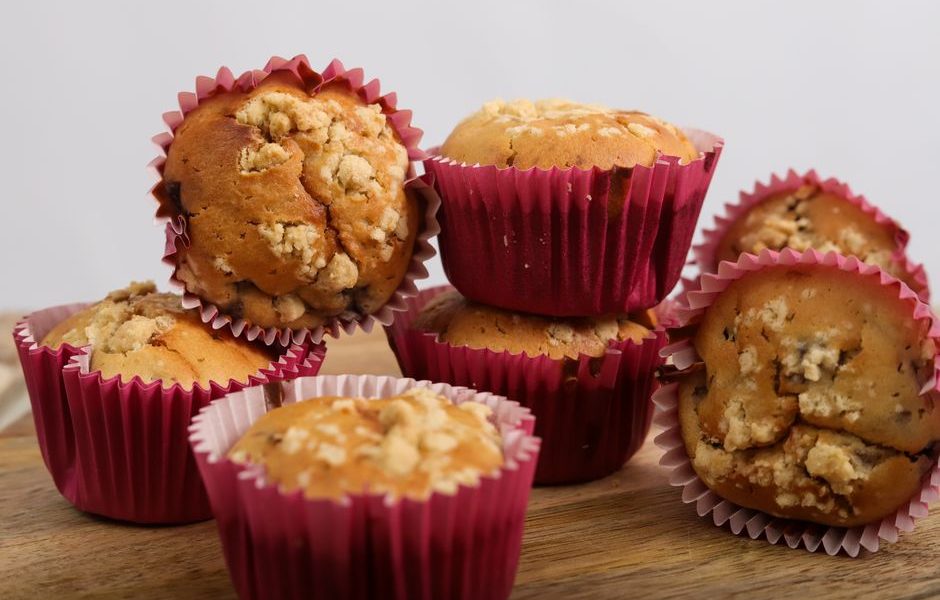
The muffins take about 35 minutes from start to finish and make 10 generously sized or 12 smaller cakes.
The key is balance. Lemon juice supplies acidity, lemon zest carries most of the flavour, and oil keeps the crumb tender after cooling. Follow the mixing and baking times closely, and these muffins will not need eggs, dairy butter or a specialist egg replacer.
Vegan muffin ingredients: the UK quantities that work
The quantities below produce a batter that rises well without turning rubbery. Use a digital scale for the flour and sugar. A small difference in liquid can change the texture more than most people expect.
Ingredients for 10 large or 12 small muffins
| Ingredient | Amount | Purpose |
|---|---|---|
| Plain flour | 250g | Creates the structure |
| Golden caster sugar | 150g | Sweetens and softens the crumb |
| Poppy seeds | 20g, about 2 tablespoons | Adds crunch and a mild nutty taste |
| Lemon zest | From 2 unwaxed lemons | Gives the strongest lemon flavour |
| Fresh lemon juice | 60ml | Adds acidity and citrus sharpness |
| Unsweetened plant milk | 180ml | Hydrates the batter |
| Neutral oil | 75ml | Keeps the muffins moist |
| Baking powder | 2 teaspoons | Helps the muffins rise |
| Bicarbonate of soda | Quarter teaspoon | Reacts with the lemon juice |
| Fine salt | Quarter teaspoon | Sharpens the flavour |
Which plant milk and flour should you use?
Choose an unsweetened milk so the sugar level stays predictable.
Use plain white flour rather than self-raising flour so you control the raising agents. If you only have self-raising flour, omit the baking powder and keep the quarter teaspoon of bicarbonate of soda. Do not add both full amounts, or the muffins may rise quickly and collapse in the centre.
Roll each lemon firmly on the worktop before cutting it. That breaks some of the juice-filled segments and makes squeezing easier.
Why lemon muffins need acid, fat and starch
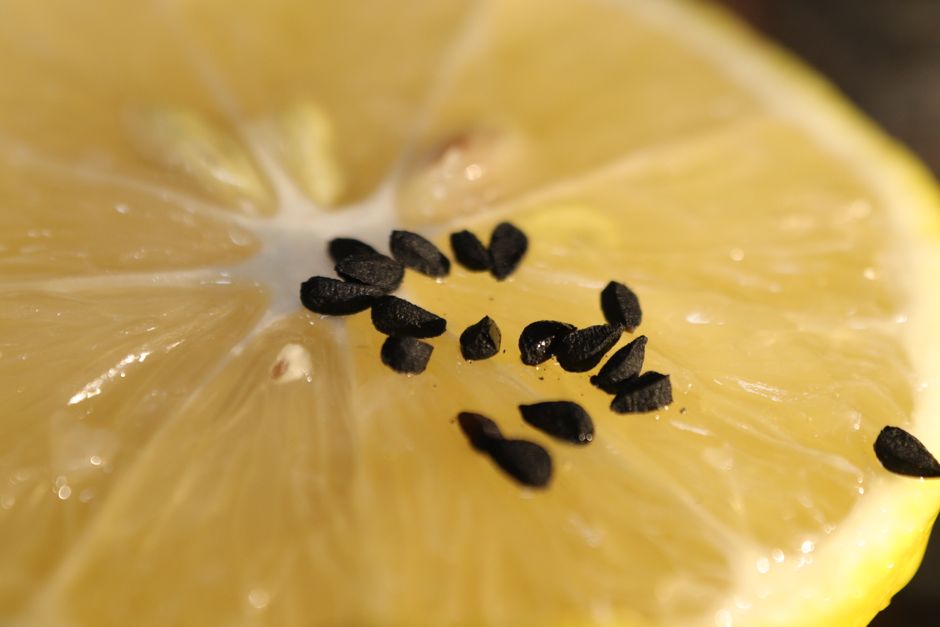
Vegan muffins do not need a direct egg substitute when the recipe has enough structure from flour, enough moisture from plant milk and enough lift from baking powder. The goal is not to copy an egg muffin ingredient by ingredient. The goal is to replace the jobs eggs normally perform.
How the rise happens
Baking powder contains an acid and an alkaline raising agent. Bicarbonate of soda adds extra lift when it meets the lemon juice. That reaction creates carbon dioxide bubbles inside the batter. The oven then expands those bubbles, while the flour starch sets around them. This is why the batter should go into the oven soon after mixing. If it sits for half an hour, some of the gas escapes before the structure has formed.
Why zest, oil and sugar control texture
Lemon zest contains fragrant oils, so it delivers more flavour than extra lemon juice. Juice brings acidity but too much can make the crumb tight and wet. Rub the zest into the caster sugar with your fingertips before adding the other ingredients. The sugar pulls the lemon oil from the zest and spreads it through the mixture.
Oil stays liquid when the muffins cool, which keeps the crumb soft on day two. Vegan block butter can add a buttery taste, but it may produce a firmer muffin after refrigeration. Melt it and cool it before mixing. Do not use hot fat, because it can make the batter split and weaken the rise.
Poppy seeds add texture, but they do not need soaking for this recipe. Two tablespoons is enough. More can make each bite feel dry and can hide the lemon flavour.
How to bake vegan lemon and poppy seed muffins
Use a 12-hole muffin tin, paper cases and an oven that has reached temperature. A cold oven gives the raising agents too much time to spread before the crust sets.
- Heat the oven to 200°C conventional or 180°C fan. Line a 12-hole muffin tin with 10 large or 12 standard paper cases.
- Finely grate the zest from two lemons into a large bowl. Add the caster sugar and rub them together for 30 seconds.
- Whisk in the plant milk, 60ml lemon juice, 75ml neutral oil and 1 teaspoon vanilla extract if using.
- In a second bowl, stir together the plain flour, poppy seeds, baking powder, bicarbonate of soda and salt.
- Add the dry mixture to the wet mixture. Fold with a spatula until no large pockets of flour remain. Stop as soon as the batter looks combined.
- Leave the batter for five minutes while you scrape the bowl. It should be thick enough to fall slowly from a spoon, not pour like pancake batter.
- Divide the mixture between the cases. Fill each one about three-quarters full. A level ice-cream scoop gives more even muffins.
- Bake for 18 to 22 minutes. The tops should spring back when pressed lightly, and a skewer should come out with a few moist crumbs.
- Cool in the tin for five minutes, then transfer the muffins to a wire rack. They finish setting as they cool.
The mixing rule that protects the crumb
Fold the flour in with broad strokes and count on a few small lumps disappearing during baking. Overmixing develops gluten. That makes the muffins chewy instead of tender and can create long tunnels inside the crumb. A few streaks of flour are acceptable at the first fold, but scrape the base of the bowl once before portioning.
How to keep the lemon flavour bright
Use zest in the batter and reserve a little lemon juice for a quick drizzle if you want a sharper finish. Mix 80g icing sugar with 1 to 2 teaspoons lemon juice, then spoon it over fully cooled muffins. A glaze makes the top sweeter and slightly sticky, so skip it if you want a breakfast muffin rather than a tea cake.
Store the unglazed muffins in an airtight container for up to three days. Freeze them for up to two months. Defrost at room temperature for about one hour.
Which variations are worth making?
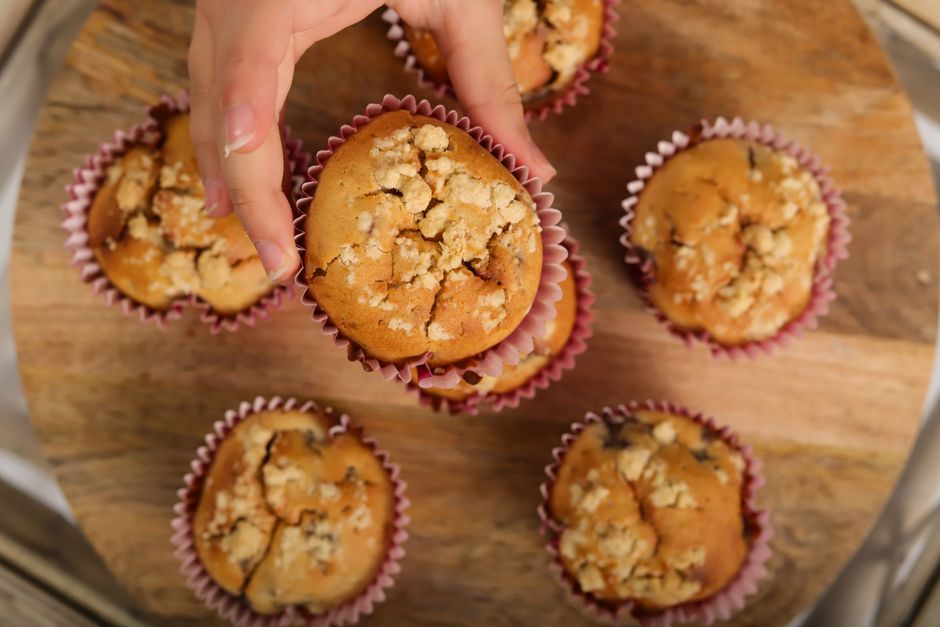
Change the milk or fat only when you want a clear result, not because a longer ingredient list sounds more impressive.
For a richer, softer muffin
The extra richness gives a softer crumb, but the oat flavour is more noticeable. This is the best version for afternoon tea or a glazed finish. It is less suitable if you want a clean, sharp lemon taste.
Soy milk is the better choice for a tall rise and a firm enough crumb to carry a drizzle. Almond milk can work, but many versions have a thin texture and a strong sweetener taste. Check the carton before using it.
For a butter-style flavour or a wholemeal edge
Cool it until barely warm, then whisk it into the wet ingredients. The result tastes more like a traditional bakery muffin but can firm up faster after chilling.
You can replace 50g of the plain flour with 50g wholemeal flour for a nuttier taste. Add 1 tablespoon extra plant milk if the batter becomes stiff. Do not replace all the flour with wholemeal flour; the bran absorbs more liquid and can make these muffins heavy.
Skip this recipe if you want a very low-sugar cake, a gluten-free bake or a muffin with a strong poppy seed flavour. For gluten-free muffins, use a tested gluten-free blend with a binder rather than making a direct one-for-one swap. For a less sweet breakfast, reduce the sugar to 125g, but do not cut it below that level because sugar also keeps the crumb moist.
Vegan lemon poppy seed muffins: final batch choices
Use the standard recipe for the most reliable result: plain flour, soy milk, neutral oil and the zest of two lemons. Choose the richer oat-milk version for a softer tea-time cake. Choose melted vegan block butter when flavour matters more than a tender texture on the third day.
The recipe is ready when the top springs back, the edges look lightly golden and the skewer carries a few crumbs. Let the muffins cool before glazing or storing. That short wait prevents a wet base and gives the lemon flavour time to settle.
| Goal | What to expect |
|---|---|
| Tall, balanced muffins | Clean lemon flavour and soft crumb |
| Richer afternoon-tea cake | Rounder flavour with a sweeter finish |
| Traditional buttery taste | More bakery-style flavour, firmer when cold |
| Less sweet breakfast muffin | Sharper lemon taste and a drier finish |