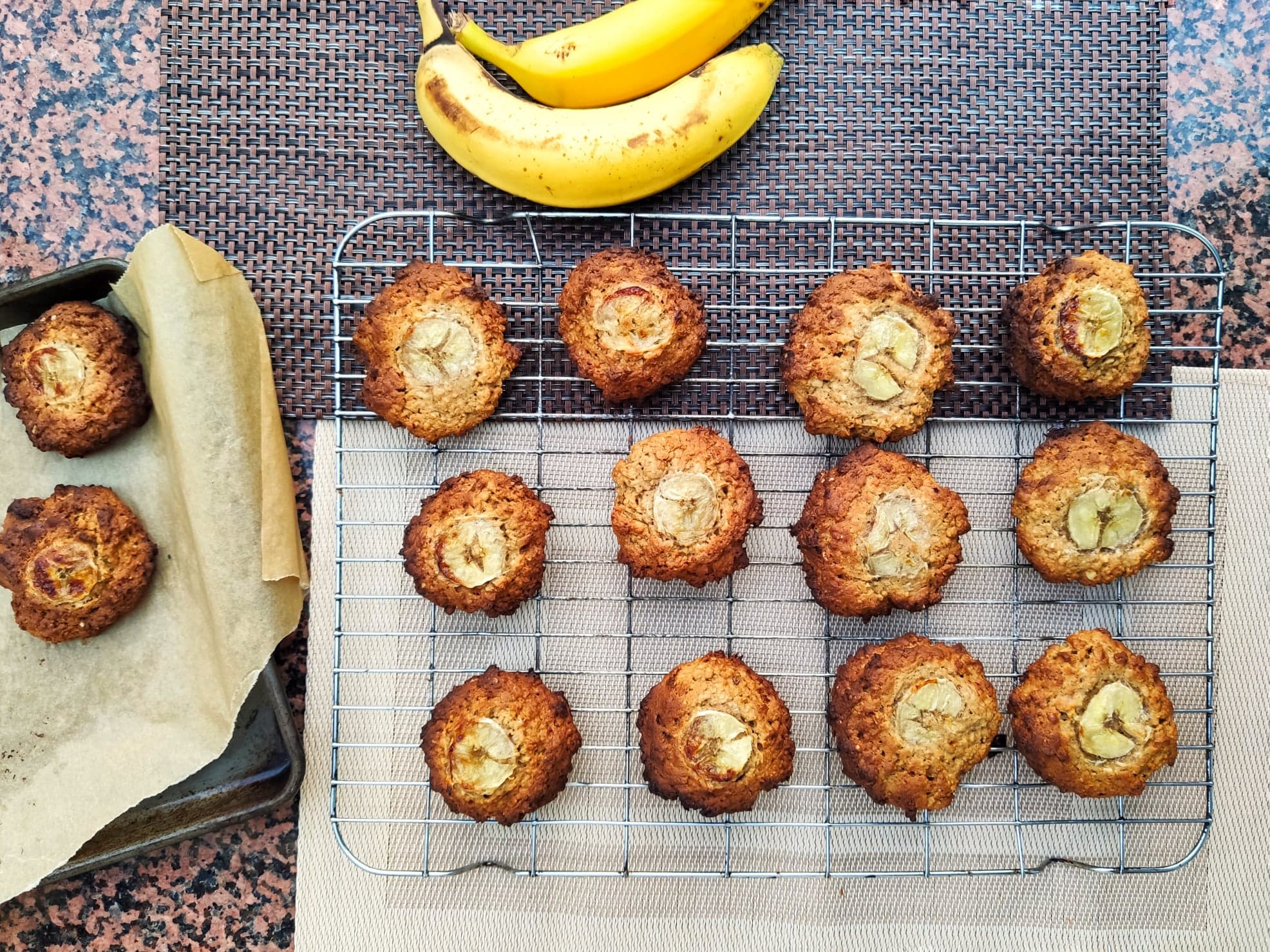
Do your chocolate chip cookies come out crisp around the edges but cakey, dry, or flat in the middle? After years of baking them, I have found that the real control comes from two details: the temperature of the butter and the time the dough rests before baking.
Cool-soft butter makes chewier cookies
My firm verdict: use butter that is soft enough to cream but still cool, never melted or greasy. Aim for about 18–20°C. Press a finger into the butter; it should leave a clear dent without making the surface shine.
Why melted butter changes the cookie
Melted butter skips the air-trapping stage of creaming. It also spreads quickly as soon as the dough hits the oven, so the cookies often become thin with crisp rims and dark bottoms. That can be delicious, but it will not give you the thick, bendable center most people mean by chewy.
How to soften butter correctly
Cut one stick into eight pieces and leave it on the counter for 25–35 minutes. If the room is warm, check it sooner. Do not microwave it unless you use five-second bursts and rotate the butter after each one. A few shiny spots mean the butter has started melting, and the texture will change even if most of the stick still looks solid.
Cream the cool-soft butter with brown and white sugar for about two minutes. Stop when the mixture looks smooth and slightly lighter, not fluffy like frosting. Too much air gives you a puffy cookie that collapses and turns dry.
Rest time decides spread, flavor, and texture

The best default is a 45-minute refrigerator rest. It firms the fat, hydrates the flour, and gives the sugar time to dissolve into the dough. Here is the timing chart I use when I want a predictable batch.
Match the rest to the result
| Rest time | Dough condition | Likely result | Best use |
|---|---|---|---|
| 0 minutes | Soft and warm | Wide spread, thin edges | Only for very thick dough |
| 30 minutes | Cool and scoopable | Soft center, moderate spread | Fast weekday batch |
| 45–60 minutes | Firm but workable | Chewy center, browned rim | My preferred timing |
| 12–24 hours | Firm and well hydrated | Deeper flavor, less spread | Make-ahead baking |
What overnight resting cannot fix
Resting will not rescue dough with too much flour, overheated butter, or an oven that runs hot. It only improves the formula you already mixed. After an overnight rest, let the scooped dough sit at room temperature for 10–15 minutes if it feels hard enough to crack instead of bend.
Mix the dough gently after the flour goes in
Once the flour enters the bowl, I stop treating the dough like cake batter. The goal is an even mix, not maximum aeration. Overmixing builds gluten and gives the cookies a bready bite, while under-mixing leaves dry flour pockets that bake into pale, crumbly patches.
My mixing order for reliable texture
Beat the cool-soft butter and sugars first. Add the egg and vanilla, then mix just until the liquid disappears. Whisk the flour, baking soda, and salt in a separate bowl before adding them. Add the dry mixture in two portions on low speed. Scrape the bowl once, then stop as soon as no flour streaks remain.
For a standard batch, I use roughly 170 g flour, 115 g butter, one large egg, 150 g brown sugar, 75 g white sugar, and 170 g chocolate chips. The exact formula can change, but the balance matters: brown sugar holds moisture, white sugar encourages spread, and flour controls the final thickness. If your cookies keep turning cakey, reduce extra flour before changing the rest time.
Scoop before chilling
Portion the dough before refrigerating it. I use 45–50 g balls for cookies about 7–8 cm wide. Scooping cold dough is harder and often creates rough, compressed portions. Place the balls on a lined tray, chill them uncovered for 45 minutes, then bake only as many as fit with at least 7 cm between them.
Bake at 175°C for about 10–12 minutes. Pull the tray when the edges are set and lightly browned but the centers still look soft. The cookies finish cooking on the hot tray for several minutes.
Use this bake-day checklist

My recommended workflow is simple: control the dough before you try to control the oven. These steps prevent the mistakes that ruin an otherwise good cookie recipe.
- Weigh the flour instead of packing it into a measuring cup. For most home batches, even 20 g too much flour can turn chewy cookies firm and dry.
- Check the butter with your finger. If it looks glossy, chill it for five minutes before mixing.
- Cream butter and sugar for about two minutes, then stop. Pale and smooth is enough; fluffy and mousse-like is too far.
- Mix the flour on low speed only until the last dry streak disappears.
- Scoop the dough into equal 45–50 g portions before resting it.
- Chill for 45–60 minutes. Keep the remaining dough cold while the first tray bakes.
- Bake one test cookie first. If it spreads too far, chill the rest for another 20 minutes. If it stays in a ball, flatten the next portion slightly.
- Cool the cookies on the baking sheet for five minutes, then move them to a rack. Sealing them while hot traps steam and softens the crisp edge.
A ThermoWorks Thermapen ONE is useful for checking oven surprises, but the test cookie matters more than a fancy tool. Your oven may display 175°C while the tray sees a different temperature.
Chewy cookie questions I get asked most
Should cookie dough rest at room temperature or in the fridge?
Use the fridge for chewy chocolate chip cookies. Room-temperature resting lets the butter soften again, so the dough spreads before the flour fully hydrates. A short 15-minute counter rest works only when the dough is already cold and firm.
Why are my cookies chewy on day one but hard on day two?
They probably lost moisture after cooling. Store them in an airtight container once completely cool. A slice of sandwich bread can add moisture for a day, but it can also soften the edges. I prefer baking only what I need and freezing extra dough balls for up to three months.
Can brown sugar alone make cookies chewy?
No. Brown sugar helps because molasses holds water, but butter temperature, flour quantity, bake time, and storage matter just as much. A cookie with lots of brown sugar can still turn dry if it bakes three minutes too long.
Do not chill every cookie dough
Skip a long rest when you want thin, crisp cookies or when the recipe already contains a large amount of liquid fat. Chilling a very stiff dough for 24 hours can leave you with domed cookies that barely spread. For soft, thick cookies, use the 45-minute rest; for lace-like cookies, bake a small test portion immediately and adjust from there. My only non-negotiable rule is to judge the dough by its baked test cookie, not by a timer copied from another kitchen.
My ingredient and tool picks for better batches
I do not buy special equipment for every recipe, but a few familiar products make the results easier to repeat. My favorite butter for cookies is Kerrygold Unsalted Butter, sold in an 8-ounce block. Its firm texture makes it easier to stop at cool-softened instead of accidentally melting it.
Best flour and chocolate combination
King Arthur All-Purpose Flour in the standard 5-pound bag is my pick for a dependable middle-ground cookie. It gives enough structure for a chewy center without making the edges tough. For chocolate, I like Ghirardelli 60% Cacao Bittersweet Chocolate Baking Chips, commonly sold in a 10-ounce bag. They stay recognizable after baking and balance the sweetness better than very mild chips.
What I would not buy
I would not buy a stand mixer just to make cookies. A KitchenAid Artisan 5-Quart mixer is useful if you already bake bread, cakes, and large batches, but a sturdy hand mixer handles one cookie batch well. Spend the money on a digital scale instead. Weighing 170 g of flour and resting the dough for 45 minutes will improve your cookies more than another attachment.