Why does everyone swear by their air fryer but yours keeps disappointing you? I asked myself that for three months after buying a Cosori Pro Gen 2 (5.8 quart, $120). I made frozen fries twice and left it on the counter collecting grease. The machine wasn’t broken. My approach was.
Once I understood what the air fryer actually does well — and stopped forcing it to do everything else — the results changed completely. The recipes below are the ones I keep making. Real temperatures, real times, honest verdicts about what’s actually worth the effort.
Why Most Air Fryer Food Comes Out Wrong
An air fryer is a compact convection oven that circulates very hot air at high speed. That’s it. No magic. That specific mechanism makes it exceptional for certain things and mediocre for others. The problem is most people treat it like a microwave with ambitions — throw anything in, pick a random temperature, and wonder why it’s dry or soggy.
Overcrowding the basket
Food needs air moving around every surface. Stack chicken pieces or pile in a full bag of frozen fries and you’re steaming the bottom layer. I cook bone-in thighs in two batches even in a 5.8-quart basket. Annoying? A little. Worth it? Every single time.
Wrong temperature for the ingredient
Not everything belongs at 400°F. Thick pork chops need 375°F for longer — enough time to cook through before the outside chars. Salmon works at 390°F for 7 minutes. Wings need 400°F for 22 minutes. Treating every protein identically produces wildly inconsistent results.
Skipping the preheat
Three minutes at your target temperature makes a real difference for anything crispy. The Ninja AF101 ($100, 4 quart) has a built-in preheat button. If your model doesn’t, run it empty at the target temp for 3 minutes before adding food. It’s a small habit that fixes a lot of problems.
What the Air Fryer Actually Does Well
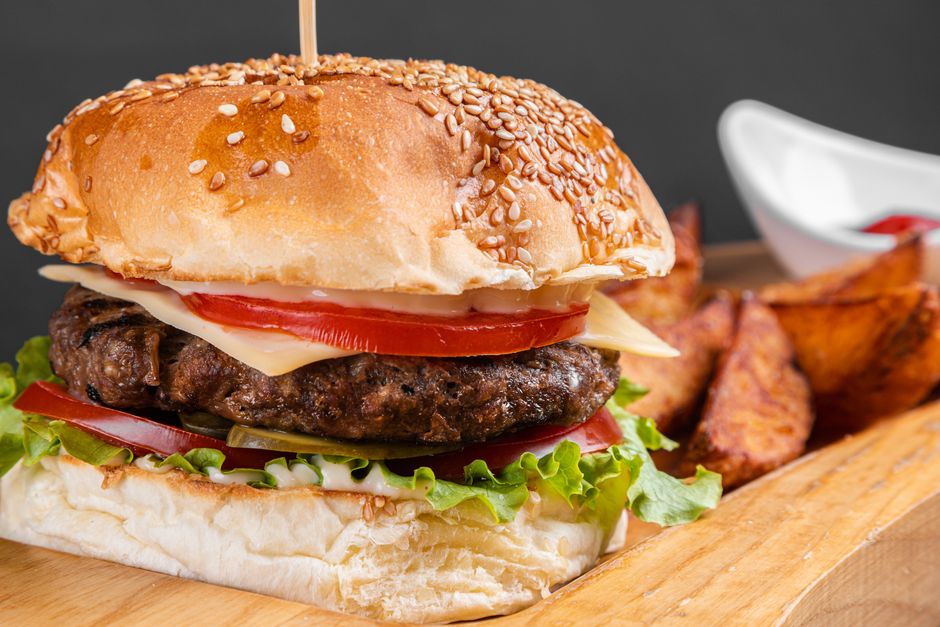
Three categories: anything breaded or coated, proteins with natural fat content (wings, thighs, sausage, salmon), and low-moisture vegetables that caramelize instead of steam. If the food is lean, boneless, and delicate — or needs added moisture to taste good — the oven is probably the better call.
12 Air Fryer Recipes — Times, Temps, and Honest Verdicts
Tested on the Cosori Pro Gen 2 (5.8 quart) and the Ninja Foodi DZ201 DualZone (~$180). Your model may need a 5–10°F adjustment based on wattage.
| Recipe | Temp | Time | Key Note | Verdict |
|---|---|---|---|---|
| Chicken wings | 400°F | 22–25 min (flip at 12) | Pat dry first. No oil needed. | Outstanding |
| Bone-in chicken thighs | 380°F | 22–25 min (no flip) | Skin side up the whole time | Outstanding |
| Brussels sprouts | 375°F | 13–15 min | Halve them. 1 tsp oil. Don’t skip the oil. | Outstanding |
| Reheated pizza | 350°F | 3–4 min | Crispy bottom, melted top. Nothing else comes close. | Outstanding |
| Salmon fillet (1-inch thick) | 390°F | 7–8 min | Brush with oil. Don’t flip. | Very good |
| Frozen french fries | 400°F | 15–18 min (shake at 10) | Single layer only | Very good |
| Pork chops (bone-in) | 375°F | 14–16 min (flip at 8) | Brine 30 min first if possible | Very good |
| Broccoli florets | 375°F | 9–11 min | Toss with oil and garlic | Very good |
| Frozen chicken nuggets | 400°F | 10–12 min | Single layer, shake once | Very good |
| Homemade fries (raw potato) | 380°F | 22–25 min | Soak in cold water 30 min, pat completely dry | Good (prep required) |
| Large shrimp (peeled) | 400°F | 5–7 min | Watch closely — overcooks in seconds | Good |
| Boneless chicken breast | 370°F | 15–18 min | Pound to even thickness; marinate beforehand | Acceptable |
That last row is deliberate. Boneless chicken breast in an air fryer is edible. But a cast iron skillet does it better in the same amount of time with more crust and more flavor. The air fryer is not the best tool for every job, and pretending otherwise is how people end up disappointed.
How to Get Crispy Chicken Every Single Time
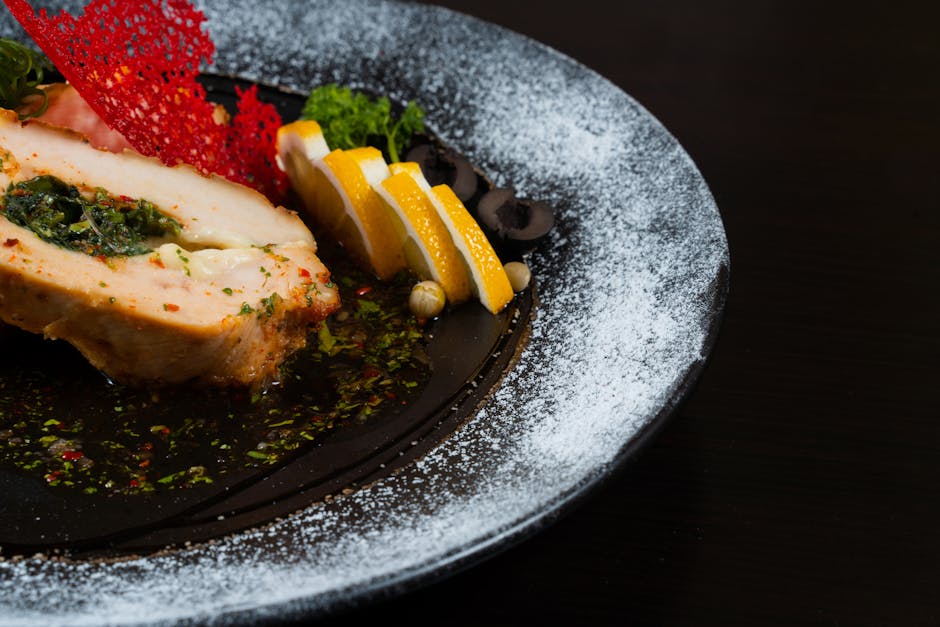
Wings are where the air fryer earns its place in my kitchen. I’ve made them on sheet pans, on a grill, deep-fried them in a Dutch oven. On a weeknight with no planning, the air fryer wins. Not magic — it hits 400°F in three minutes, circulates heat on all sides at once, and cleanup is one basket liner.
Prep matters more than the recipe itself
Pat wings completely dry with paper towels before you season them. Wet skin creates steam inside the basket. Steam is the enemy of crisp. I put mine uncovered in the fridge for 30–60 minutes after drying — the cold dry air pulls out more surface moisture than paper towels alone.
No oil for wings. They render their own fat and self-baste as they cook. Adding oil just makes them greasy. Season dry: salt, smoked paprika, garlic powder, black pepper. Sauce goes on after cooking, then back in the basket for 2 minutes to caramelize rather than just coat.
Bone-in thighs: the actual weeknight workhorse
380°F, skin side up, 22–25 minutes, no flipping. Check internal temp at 20 minutes — 165°F away from the bone is the target. The skin crisps against the circulating hot air from above while the meat stays moist from the bone and fat underneath. It’s consistently the best result I get from the air fryer.
Dry rub only for any skin-on chicken. Wet marinades prevent crisping. I learned that with teriyaki thighs — beautifully flavored, completely soft skin. Dry seasoning before cooking, sauce after. Every time.
Which model handles wings best
The Philips Premium Airfryer XXL (~$250) uses a TurboStar fat-removal basket that circulates air from below as well as above. On that machine, wings genuinely don’t need flipping. On the Ninja AF101 or the Cosori Pro Gen 2, flip at the halfway mark — one side will be significantly crispier than the other if you don’t. Both produce excellent wings. The Philips just requires less attention.
Vegetables in the Air Fryer — What Works and What Doesn’t
Why do some vegetables come out crispy while others turn to mush?
Moisture content. High-moisture vegetables — zucchini, eggplant, tomatoes — release steam as they cook. In a small enclosed basket, that steam has nowhere to go. You end up with soft, waterlogged results that no amount of high heat fixes. Low-moisture vegetables with natural sugars caramelize instead of steaming. That’s the entire difference.
Which vegetables are actually worth making?
Brussels sprouts are the standout. Halved, 1 teaspoon of oil, salt, 375°F for 13–15 minutes. The outer leaves turn crispy and slightly charred while the center stays tender. Consistently better than oven roasting because the circulating air hits more surface area at once.
Broccoli florets with garlic and a light drizzle of olive oil at 375°F for 9–11 minutes get charred tips that a 425°F oven can’t produce in the same timeframe. Green beans at 380°F for 7–8 minutes come out with a snap that’s genuinely better than any other method I’ve tried. These are the three vegetables my family now requests specifically because of the air fryer.
What should you skip?
Skip cherry tomatoes — they explode and weld themselves to the basket interior. Skip eggplant unless soft and chewy is what you’re after. Skip any leafy green (pieces fly around and hit the heating element, which is as bad as it sounds). Corn on the cob technically works at 400°F for 10–12 minutes, but the oven produces more even caramelization and handles more ears simultaneously.
6 Mistakes That Ruin Air Fryer Food
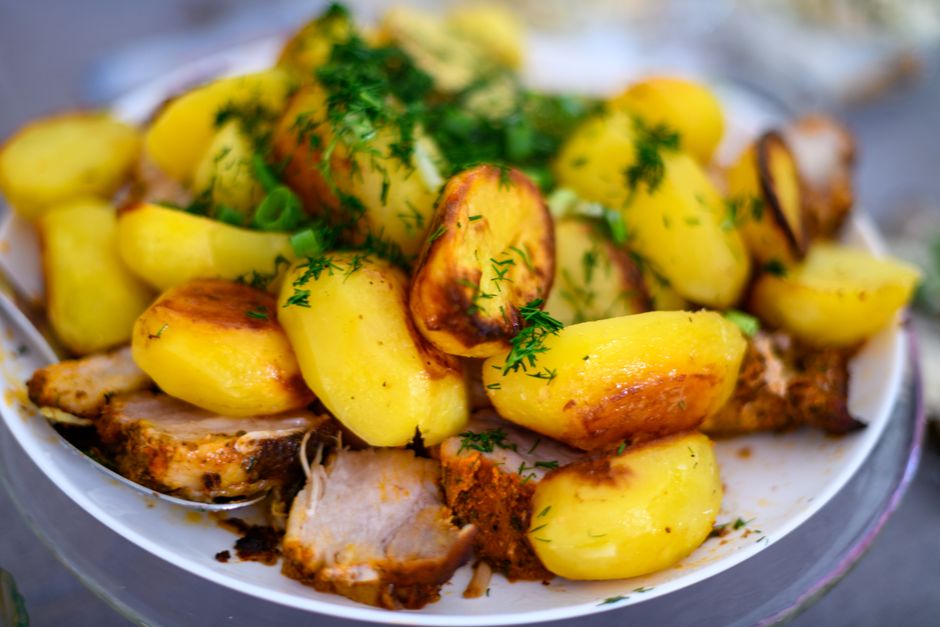
- Overcrowding the basket. One layer. Space between pieces. Two batches cooked correctly will always beat one batch cooked wrong. This is the most common mistake by a wide margin.
- Not patting food dry first. Surface moisture becomes steam and prevents any browning. Applies to chicken, fish, shrimp, and vegetables alike. Paper towels before seasoning, every time.
- Using too much oil. A light spray or half a teaspoon tossed through is all most recipes need. Oil pooling in the bottom of the basket doesn’t cook anything — it smokes, triggers the smoke alarm, and leaves food tasting off.
- Ignoring wattage differences between models. A Ninja AF101 runs at 1550W. A Philips Airfryer XXL runs at 2225W. Recipes pulled from YouTube or food blogs may be calibrated for a completely different machine. If food consistently burns before it’s cooked through, drop the temp 15°F and add 3 minutes.
- Not flipping thicker cuts. Most basket-style air fryers heat primarily from above. Thick proteins — pork chops, fish fillets over an inch, large chicken pieces — need a flip at the halfway mark for even cooking. The exception: anything with skin you want crispy. That side stays up the entire cook.
- Cooking delicate seafood at high heat for too long. Thin white fish at 400°F for 12 minutes comes out dry and chalky. Use 375°F max, 8–10 minutes depending on thickness. Shrimp goes rubbery past the 7-minute mark. Set a timer and check early — you can always add a minute, you can’t uncook it.
When Your Oven Actually Beats the Air Fryer
The air fryer community is oddly reluctant to say this, so I will: for cooking in volume, the oven is faster and produces better results.
A full sheet pan of roasted vegetables for four people takes 25 minutes at 425°F in the oven. In a 5.8-quart air fryer, that same quantity requires two batches — turning a 15-minute job into 35 minutes of standing in the kitchen. For one or two people on a weeknight, the air fryer wins on speed. For a family dinner, it doesn’t.
Other situations where the oven wins clearly:
- Whole birds over 5 lbs (most air fryers cap out at 4–5 lb chickens)
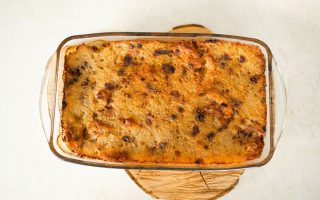
- Anything baked with a moist interior and crispy top — gratins, casseroles, lasagna
- Cookies and most baked goods (circulating air dries them unevenly and fast)
- Anything that cooks covered with added liquid
The Instant Vortex Plus 6-in-1 (~$100) is marketed as a multi-use oven substitute for smaller households. For a single person cooking one or two portions? Solid. For two people who cook real dinners most nights, you’ll outgrow it within a month and wish you’d bought the Cosori or the Ninja Foodi DZ201 instead. Know what volume you actually cook before you decide which size to buy.
Three years in, my air fryer owns what it’s genuinely good at: wings on Sunday nights, weeknight salmon in under 10 minutes, Brussels sprouts my family now actually requests, and reheated pizza that tastes like delivery. The same machine that spent three months collecting counter grease is now the first thing I reach for on a Tuesday. It just took figuring out which 12 things it’s actually built to do well.