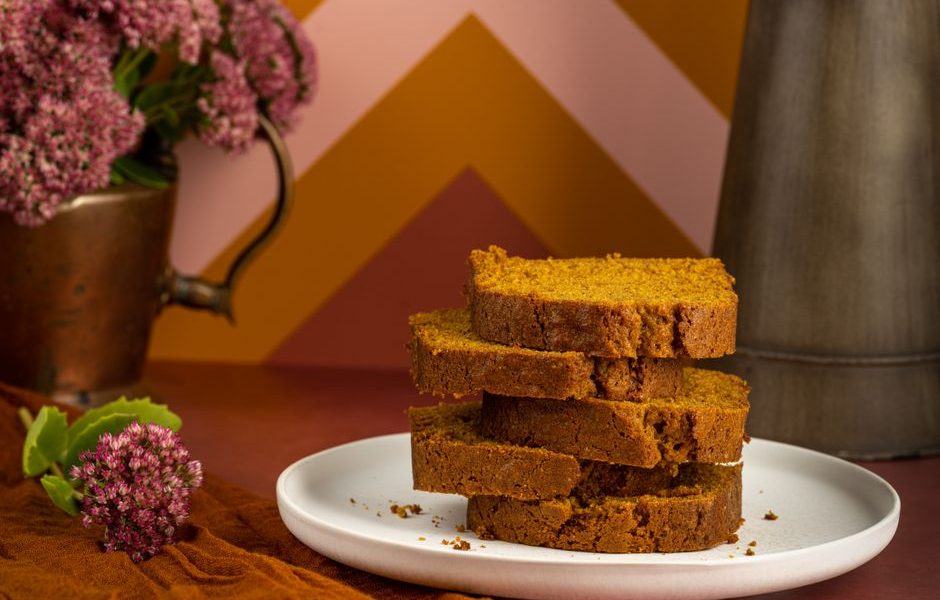
You cut into the loaf the day it comes out of the oven and get a dry, crumbly centre. That is not a gingerbread problem. It is a mixing, measuring or timing problem. This vegan sticky gingerbread loaf uses black treacle, golden syrup and plant milk to create a dark, soft cake with a slightly tacky top. It tastes even better the next day.
The recipe makes one 900g loaf, or about 10 thick slices. You need a standard 2lb loaf tin, baking paper and roughly 20 minutes of hands-on work. No eggs, dairy or specialist equipment.
Why vegan gingerbread becomes sticky instead of dry
Treacle and syrup hold moisture
The sticky texture comes from the sugars, not from underbaking. Black treacle and golden syrup attract and hold water inside the crumb. Dark brown sugar adds another layer of moisture and gives the loaf its deep caramel flavour. Plain flour provides structure, but the wet ingredients keep that structure tender.
That balance matters. Replace all the syrup with dry sugar and the loaf becomes firm. Add too much plant milk and the centre turns gummy. Use only golden syrup and you lose the bitter, roasted edge that makes British gingerbread taste like gingerbread rather than a plain spice cake.
The target texture is soft, dense and slightly tacky, not wet. A skewer should come out with a few damp crumbs attached. A perfectly clean skewer often means the loaf has gone too far.
Vegan batter needs acid and restraint
Bicarbonate of soda needs an acid to work properly. The apple cider vinegar in this recipe reacts with the plant milk and helps the loaf rise. You will not taste the vinegar after baking. Do not leave it out unless you replace it with the same amount of lemon juice.
Mix the batter only until the flour disappears. Vigorous stirring develops gluten, which makes a loaf cake chewy and heavy. The batter should look thick but spoonable. If it sits in a stiff mound, add 1 tablespoon of plant milk. If it runs like pancake batter, check your flour measurement before adding more.
Ingredients and timings for a reliable UK loaf
Measure the ingredients by weight
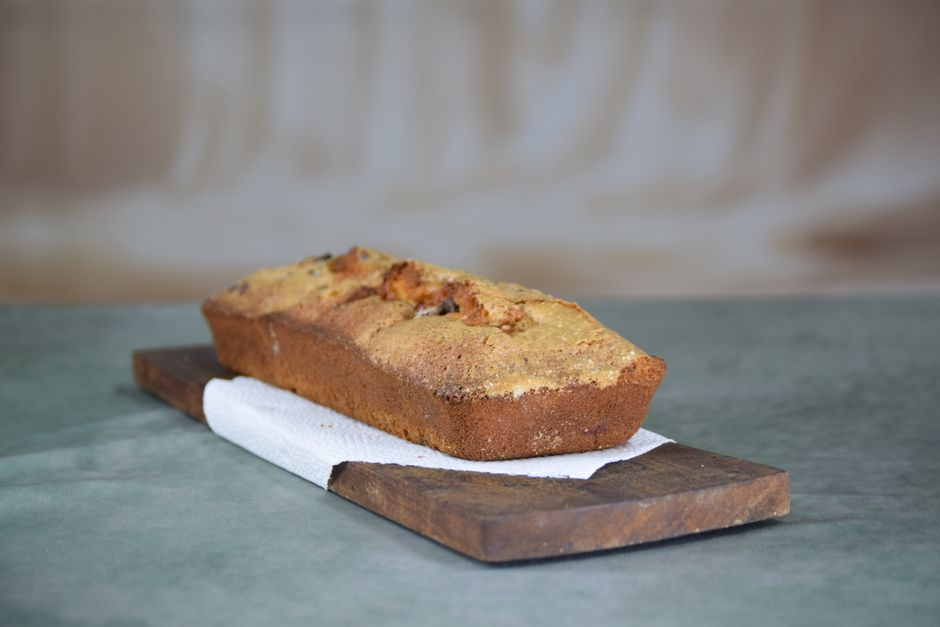
Use grams for the flour, sugars and fats. Cup measurements vary too much for a sticky cake. Line a 900g, or 2lb, loaf tin with baking paper and leave some paper hanging over the long sides. That makes the finished loaf easy to lift out without tearing the soft edges.
| Ingredient | Amount | Purpose |
|---|---|---|
| Plain flour | 250g | Forms the cake structure |
| Dark brown sugar | 120g | Adds moisture and caramel depth |
| Black treacle | 100g | Creates the dark colour and rich flavour |
| Golden syrup | 100g, plus 60g for the glaze | Keeps the crumb soft and the top sticky |
| Vegan block butter | 75g | Adds richness and a tender crumb |
| Unsweetened plant milk | 225ml | Provides moisture |
| Apple cider vinegar | 1 tablespoon | Activates the bicarbonate of soda |
| Ground ginger | 2 teaspoons | Provides the main spice flavour |
| Ground cinnamon | 1 teaspoon | Adds warmth |
| Ground cloves | 1/4 teaspoon | Adds a sharp, warm note |
| Bicarbonate of soda | 1 teaspoon | Helps the loaf rise |
| Fine salt | 1/2 teaspoon | Balances the sweetness |
| Vanilla extract | 1 teaspoon | Rounds out the flavour |
Set the oven before mixing
Heat the oven to 170°C fan or 190°C conventional. The loaf needs a fully heated oven so the bicarbonate starts working as soon as the batter goes in. Put the tin on the middle shelf. A low shelf can darken the base before the centre cooks.
Allow 50 to 60 minutes for baking. Start checking at 50 minutes, but do not remove the loaf just because the top looks done. Gingerbread darkens quickly because of the treacle, so colour is a poor guide.
How to make the loaf without a raw centre
Follow these seven steps
- Prepare the tin. Grease a 2lb loaf tin lightly and line it with baking paper. Leave an overhang on the long sides. This recipe rises, so the paper should come at least 3cm above the rim.
- Mix the dry ingredients. Put the flour, ginger, cinnamon, cloves, bicarbonate of soda and salt in a large bowl. Whisk for 20 seconds to spread the raising agent and spices evenly.
- Warm the wet mixture. Put the vegan butter, dark brown sugar, 100g golden syrup and black treacle in a saucepan. Heat over low heat until the butter melts. Do not boil the mixture. Remove it from the heat and leave it for 5 minutes.
- Add the liquid. Stir the plant milk, vinegar and vanilla into the warm syrup mixture. It should feel lukewarm, not hot. Hot liquid can start cooking the flour when the two mixtures meet.
- Combine quickly. Pour the wet mixture into the dry ingredients. Fold with a spatula until no dry streaks remain. Stop immediately. The batter will be thick and glossy.
- Bake and test. Scrape the batter into the tin and bake for 50 to 60 minutes. Press the centre gently after 50 minutes. It should spring back slightly. A skewer should show a few moist crumbs, not liquid batter.
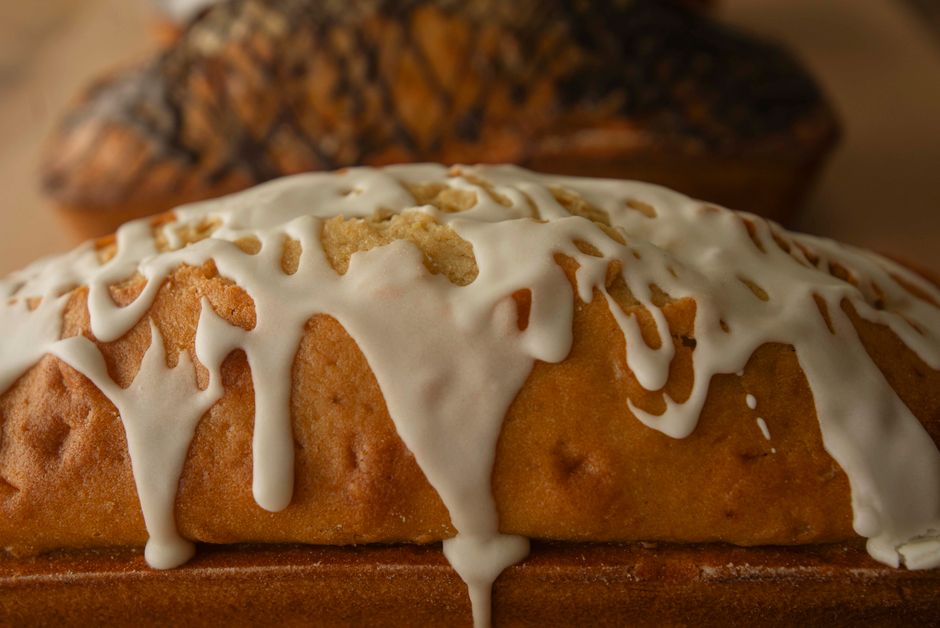
- Glaze while warm. Warm 60g golden syrup with 1 tablespoon of water. Brush it over the loaf while the cake is still warm but not piping hot. Cool in the tin for 20 minutes, then lift it onto a rack.
Leave it overnight for the best texture
Fresh gingerbread is good, but next-day gingerbread is better. Once completely cool, wrap the loaf tightly in baking paper or foil and keep it at room temperature. The syrup spreads through the crumb as it rests. That is what gives the loaf its sticky, almost fudgy middle.
Do not refrigerate it unless your kitchen is unusually warm. Cold air firms the fat and makes the cake seem dry. If you need to store it for more than three days, slice it and freeze the pieces in an airtight container for up to two months.
How to serve, store and choose the right finish
Serve it with something cold and plain
Serve the loaf in thick slices with a cold contrast. Oat-based custard, dairy-free vanilla ice cream or a spoonful of lightly whipped vegan cream all work. Skip a heavy buttercream. It buries the ginger and makes an already rich cake feel clumsy.
For a simple finish, use the warm golden syrup glaze. It adds shine and a thin sticky layer without turning the cake into a sugar bomb. Add a pinch of ground ginger to the glaze if you want a sharper finish. A little grated orange zest also works, but keep it subtle; the loaf should still taste of ginger, treacle and warm spice.
Know when to choose another version
This loaf is the right choice for a soft, dark cake that improves overnight. It is not the right choice if you want a light sponge, a crisp ginger biscuit or a cake that can sit uncovered for a week. The syrup-rich crumb stays moist, but it also makes the surface sticky and slightly fragile.
For a lunchbox, bake the batter in 10 muffin cases for 20 to 24 minutes. For a firmer traybake, use a lined 20cm square tin and bake for 30 to 35 minutes. The loaf remains the best format for storage because the thick centre stays soft for longer.
| Need | Reason |
|---|---|
| Soft, sticky cake for the next day | Deep crumb holds moisture well |
| Fast individual portions | Shorter bake and easy serving |
| Neat squares for a gathering | Firmer edges and even portions |
| Strongest ginger flavour | Extra heat without changing the texture |
| Balanced family-friendly flavour | Warm, clear spice without harshness |
The clear verdict: bake the loaf at 170°C fan, use black treacle and golden syrup, and wait until the next day before slicing. That combination gives you the sticky centre this recipe promises.