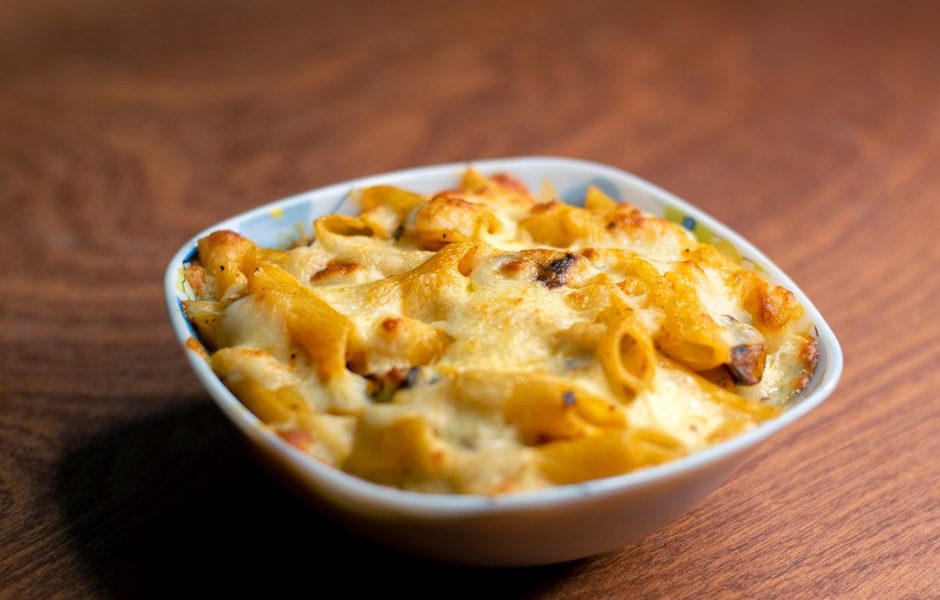
Want a vegan butternut squash mac and cheese that tastes creamy rather than watery, sweet rather than bland, and comforting rather than like blended vegetables? The answer is to treat the squash as part of a sauce, not the whole sauce. Roast it until its edges brown, balance its sweetness with mustard and miso, then loosen it with pasta water before it meets the macaroni.
Why does butternut squash work in vegan mac and cheese?
Squash replaces more than the colour
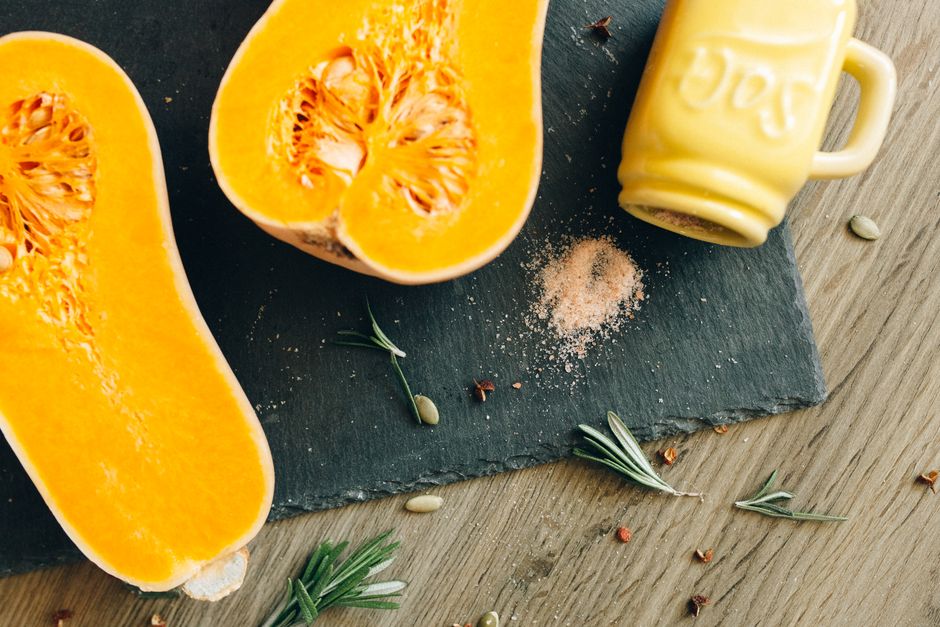
Butternut squash brings body, mild sweetness and a smooth texture after roasting. Those three qualities solve the main problems in dairy-free mac and cheese: thin sauce, flat flavour and a pale finish. The squash does not taste like cheddar, and pretending otherwise makes the recipe disappointing. Instead, it gives the sauce a thick base that can carry savoury ingredients such as miso, mustard, garlic and nutritional yeast.
Roasting beats boiling for flavour
Boiled squash absorbs water. That water then follows it into the blender, leaving you with a loose sauce that needs more cheese alternative or flour. Roasting at 200°C fan for 30 to 35 minutes drives off moisture and browns the cut edges. Use 600g peeled squash for four portions. Toss it with 1 tablespoon of olive oil and spread it in one layer; crowded pieces steam instead of caramelising.
The sauce needs contrast
A good sauce has more than sweetness. Add 1 teaspoon of Dijon mustard, 1 tablespoon of white miso, 2 tablespoons of nutritional yeast and 1 teaspoon of smoked paprika. The miso adds salt and depth, while mustard cuts through the squash. Lemon juice added at the end gives the sauce a sharper finish. The result should taste savoury before it touches the pasta. If the blended sauce tastes like baby food, add mustard, salt or lemon rather than more squash.
Which ingredients make the creamiest UK vegan sauce?
The best base is roasted squash plus starchy pasta water. You do not need a large quantity of vegan cheese, and adding several different substitutes can make the sauce oily or oddly sweet. Use one creamy element, one savoury element and one sharp element.
Ingredient list for four portions
| Ingredient | Amount | What it does |
|---|---|---|
| Butternut squash, peeled | 600g | Thickens and sweetens the sauce |
| Dried macaroni | 300g | Provides four generous portions |
| Unsweetened oat milk | 250ml | Loosens the blended sauce |
| Nutritional yeast | 2 tablespoons | Adds savoury, cheesy flavour |
| White miso | 1 tablespoon | Adds salt and umami |
| Dijon mustard | 1 teaspoon | Balances sweetness |
| Olive oil | 2 tablespoons | Roasts the squash and enriches the sauce |
| Lemon juice | 2 teaspoons | Brightens the finished dish |
What to leave out
Skip sweetened plant milk, coconut milk and pre-seasoned squash soup. Sweetened milk makes the sauce taste like pudding, coconut milk adds a flavour that fights the mustard, and soup usually contains enough water to weaken the texture. Cashew cream works, but it changes the recipe from a quick weeknight meal into a dish that needs soaking and blending. For this version, the squash and pasta water give the cleanest result.
How do you cook vegan butternut squash mac and cheese?
1. Roast the squash
- Heat the oven to 200°C fan, 220°C conventional or gas mark 7.
- Peel and cube 600g of butternut squash into pieces about 2cm wide.
- Toss with 1 tablespoon of olive oil and a pinch of salt.
- Roast for 30 to 35 minutes, turning once, until soft and browned at the edges.
2. Cook the pasta and save the water
Boil 300g macaroni in well-salted water until it is 1 minute short of the packet time. For many standard dried macaronis, that means 7 to 8 minutes. Before draining, scoop out at least 300ml of the cooking water. The water contains starch from the pasta, and that starch helps the sauce cling to every curve.
3. Blend, combine and finish
- Add the roasted squash, 250ml oat milk, 2 tablespoons nutritional yeast, 1 tablespoon white miso, 1 teaspoon Dijon mustard, 1 teaspoon smoked paprika and 1 small roasted garlic clove to a blender.
- Blend for 60 to 90 seconds until completely smooth.
- Pour the sauce into the warm saucepan and add the drained macaroni.
- Stir over low heat for 2 to 3 minutes, adding pasta water 1 tablespoon at a time until glossy.
- Finish with 2 teaspoons lemon juice and taste for salt.
Do not boil the sauce after blending. High heat can make plant-based cheese alternatives separate, and the sauce thickens as it cools. Keep it loose in the pan because it will firm up on the plate.
What makes the sauce taste cheesy instead of sweet?
Salt, acid and savoury depth matter more than a large amount of vegan cheese. Butternut squash has a clear sweetness, so the sauce needs enough contrast to taste like dinner. This section is the deep part of the recipe: small changes create a bigger difference than simply adding another handful of cheese alternative.
Build the savoury base first
Roasted garlic gives the sauce warmth without the harsh bite of raw garlic. White miso adds fermented depth, while nutritional yeast supplies a nutty, cheese-like note. Smoked paprika adds colour and a light savoury edge, but 1 teaspoon is enough. More can make the sauce taste smoky rather than creamy. If you do not have miso, use 1 tablespoon of soy sauce, then reduce the added salt. The flavour will be darker and less rounded, but it will still work.
Use acid at the end
Lemon juice should go in after blending and after the pasta joins the sauce. Add it in small amounts, tasting after each addition. Two teaspoons usually balance 600g of squash, but a particularly sweet squash may need 1 tablespoon. Apple cider vinegar can replace the lemon juice, although it gives a sharper finish. Do not add both at full strength.
Understand the texture target
The sauce should fall from a spoon in a thick ribbon. If it sits like mash, add pasta water. If it runs across the plate, return it to the pan over low heat for 1 to 2 minutes. A high-speed blender makes the smoothest sauce, but a standard blender works if you blend in two batches and give it extra time. A stick blender can leave squash fibres behind, so use it only when a slightly rustic texture suits you.
For a baked finish, transfer the pasta to a 20cm square dish, scatter over 40g breadcrumbs mixed with 1 teaspoon olive oil, and bake at 200°C fan for 12 to 15 minutes. Baking firms the sauce and adds crunch, but it also dries the edges. Serve straight from the oven.
What can go wrong with vegan butternut squash mac and cheese?
Why is the sauce watery?
Usually, the squash held too much water or the pasta water went in too quickly. Roast the squash for another 5 minutes next time, and add liquid gradually. You can rescue the current batch by simmering it gently for 2 minutes, then stirring in more nutritional yeast. Avoid adding plain flour at the end; it can leave a raw taste and make the sauce pasty.
Why does it taste sweet or bland?
Sweetness needs salt, mustard and acid. Add a quarter teaspoon of salt, half a teaspoon of Dijon mustard and a few drops of lemon juice, tasting between additions. Do not fix blandness with more smoked paprika. Paprika adds aroma but very little savoury depth.
Why did the sauce split?
Plant-based cheese alternatives often split when they meet a fiercely boiling liquid. Keep the heat low, add grated cheese alternative after the squash sauce is smooth, and stir until just melted. If separation has already happened, blend in 2 tablespoons of hot pasta water and 1 teaspoon of olive oil to bring the sauce closer together.
The other common mistake is overcooking the macaroni. Soft pasta absorbs sauce and leaves the finished dish dry. Drain it while the centre still has a little bite.
When should you choose another vegan mac and cheese method?
Choose a nut-free squash sauce when allergies matter
This recipe works well for people avoiding dairy and nuts, provided the plant milk, miso and cheese alternative carry suitable allergen information. Check the label on every packet because factory handling statements can change. It is a better choice than cashew-based mac and cheese for a mixed household where nuts create a safety concern.
Choose a cashew sauce for a richer baked dish
Use soaked cashews when you want a dense, creamy sauce with very little squash flavour. The trade-off is time: soak 150g cashews for 4 hours, blend with water and seasonings, then bake the pasta. For a fast weekday meal, the squash version wins.
Choose a potato-carrot sauce when squash is unavailable
A potato and carrot sauce gives a similar orange colour and thick texture. It tastes less sweet and usually needs more nutritional yeast, mustard and salt. Use 250g potato and 250g carrot, boil until soft, then blend with 200ml oat milk.
A jar can save ten minutes, yet it often contains less fibre and more salt than a sauce made from vegetables, oat milk and pasta water. For this dish, homemade is the stronger choice.